
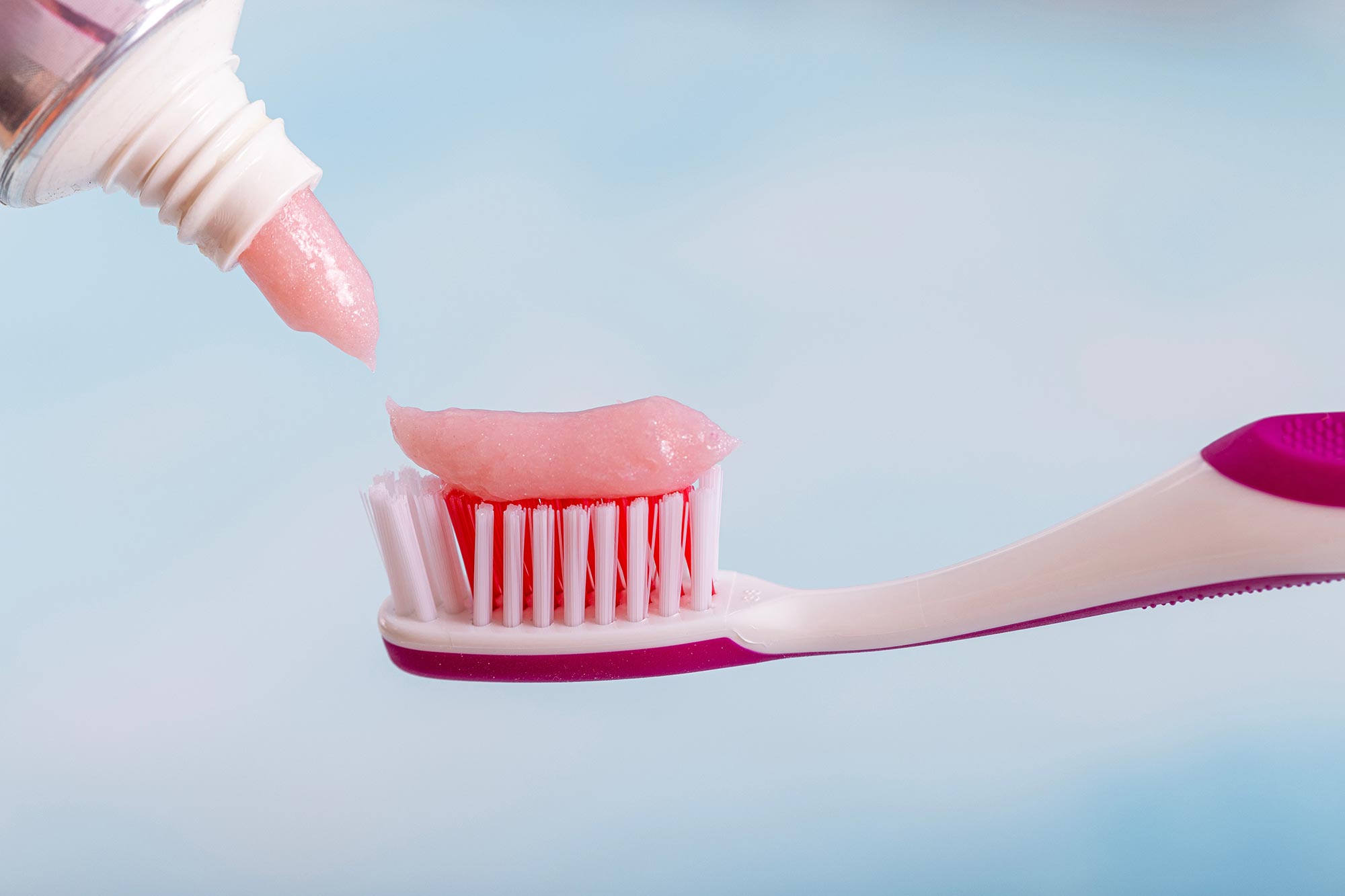
Toothpaste derived from human hair could provide a sustainable and clinically effective method for protecting and repairing damaged teeth.
Researchers have found that a toothpaste made from human hair could provide an environmentally friendly and clinically proven way to strengthen and repair damaged teeth.
A new study reveals that keratin, a natural protein present in hair, skin, and wool, has the ability to restore tooth enamel and prevent the earliest stages of decay.
Scientists from King’s College London discovered that when keratin interacts with the minerals in saliva, it forms a protective layer that closely imitates the structure and performance of real enamel.
Dr. Sherif Elsharkawy, senior author and consultant in prosthodontics at King’s College London, said: “Unlike bones and hair, enamel does not regenerate; once it is lost, it’s gone forever.”
Everyday factors such as acidic food and drinks, poor dental hygiene, and the natural aging process can wear down this protective layer, eventually causing tooth sensitivity, discomfort, and even tooth loss.
How Keratin Protects Teeth
While fluoride toothpastes are currently used to slow this process, keratin-based treatments were found to stop it completely. Keratin forms a dense mineral layer that protects the tooth and seals off exposed nerve channels that cause sensitivity, offering both structural and symptomatic relief.
The treatment could be delivered through a toothpaste for daily use or as a professionally applied gel, similar to nail varnish, for more targeted repair. The team is already exploring pathways for clinical application and believes that keratin-based enamel regeneration could be made available to the public within the next two to three years.
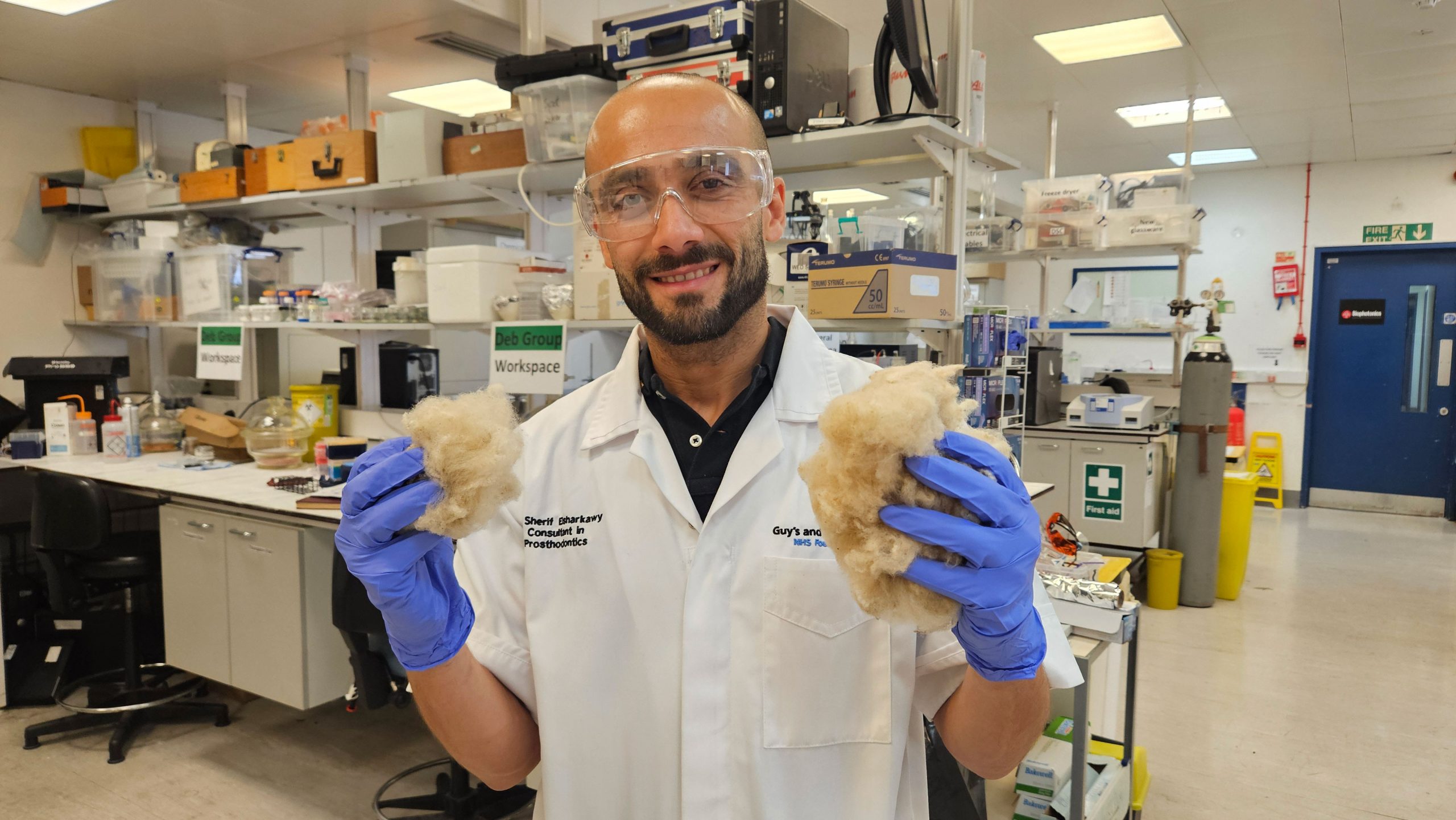
In their study, published in Advanced Healthcare Materials, the scientists extracted keratin from wool. They discovered that when keratin is applied to the tooth surface and comes into contact with the minerals naturally present in saliva, it forms a highly organized, crystal-like scaffold that mimics the structure and function of natural enamel.
Over time, this scaffold continues to attract calcium and phosphate ions, leading to the growth of a protective enamel-like coating around the tooth. This marks a significant step forward in regenerative dentistry.
A Sustainable Alternative to Conventional Treatments
Sara Gamea, PhD researcher at King’s College London and first author of the study, added: “Keratin offers a transformative alternative to current dental treatments. Not only is it sustainably sourced from biological waste materials like hair and skin, it also eliminates the need for traditional plastic resins, commonly used in restorative dentistry, which are toxic and less durable. Keratin also looks much more natural than these treatments, as it can more closely match the color of the original tooth.”
As concerns grow over the sustainability of healthcare materials and long-term fluoride use, this discovery positions keratin as a leading candidate for future dental care. The research also aligns with broader efforts to embrace circular, waste-to-health innovations, transforming what would otherwise be discarded into a valuable clinical resource.
Sara Gamea said: “This technology bridges the gap between biology and dentistry, providing an eco-friendly biomaterial that mirrors natural processes.”
Dr. Elsharkawy concluded: “We are entering an exciting era where biotechnology allows us to not just treat symptoms but restore biological function using the body’s own materials. With further development and the right industry partnerships, we may soon be growing stronger, healthier smiles from something as simple as a haircut.”
Reference: “Biomimetic Mineralization of Keratin Scaffolds for Enamel Regeneration” by Sara Gamea, Elham Radvar, Dimitra Athanasiadou, Ryan Lee Chan, Giacomo De Sero, Ecaterina Ware, Sunie Kundi, Avir Patel, Shwan Horamee, Shuaib Hadadi, Mads Carlsen, Leanne Allison, Roland Fleck, Ka Lung Andrew Chan, Avijit Banerjee, Nicola Pugno, Marianne Liebi, Paul T Sharpe, Karina Carneiro and Sherif Elsharkawy, 12 August 2025, Advanced Healthcare Materials.
DOI: 10.1002/adhm.202502465
Never miss a breakthrough: Join the SciTechDaily newsletter.
Follow us on Google and Google News.