
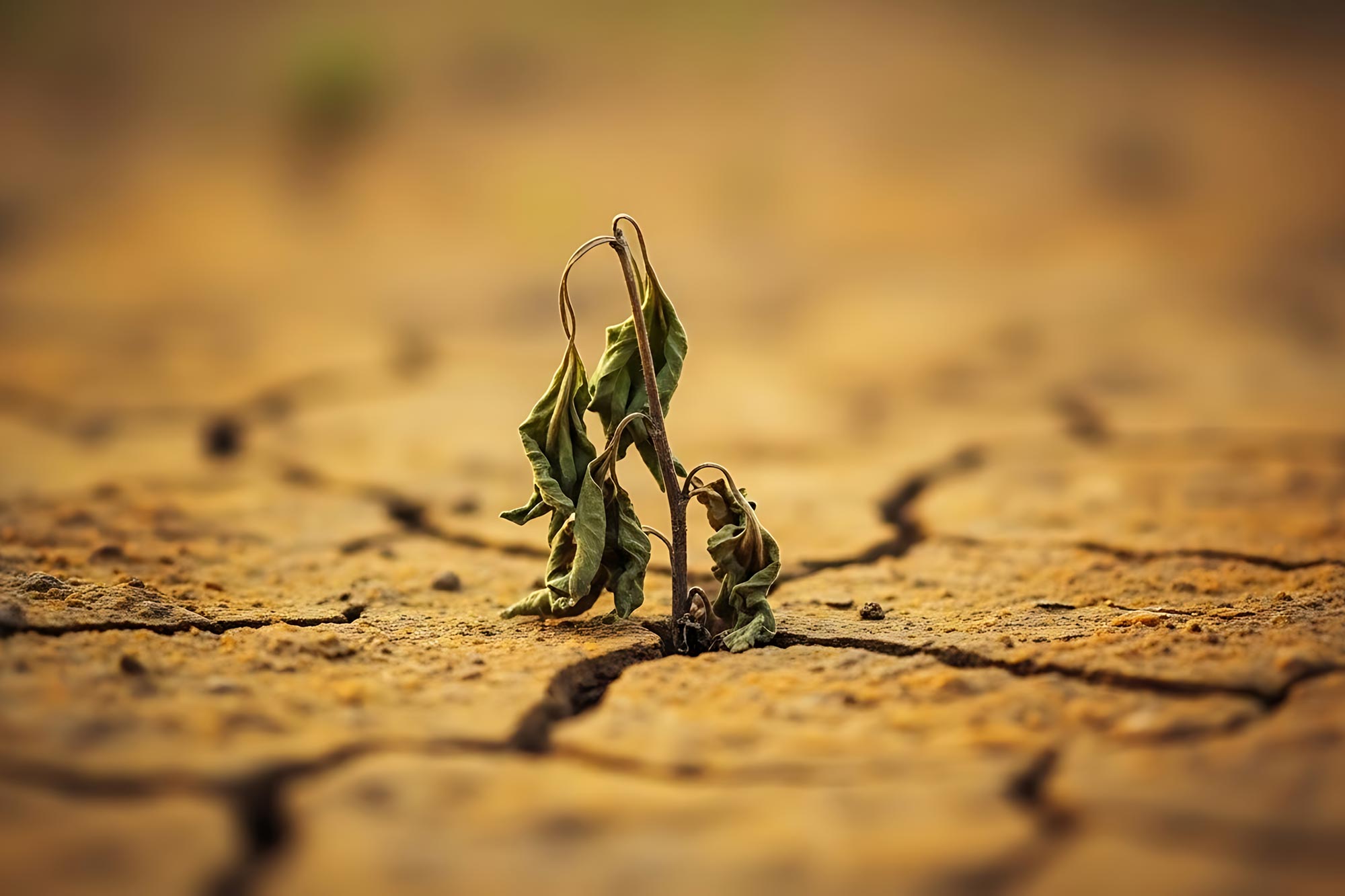
These new findings could help scientists adapt crops to dry environmental conditions in the future.
Plants rely on sunlight to turn water and carbon dioxide into energy-rich sugars and oxygen through different forms of photosynthesis. Drought can make that process far more difficult. A research group led by Wolfram Weckwerth at the University of Vienna has now shown how a highly water-efficient version of photosynthesis (CAM) evolved in several distinct ways within one tropical tree genus.
By analyzing the genomes of three species in the genus Clusia, the scientists traced how genome duplication followed by genetic restructuring helped produce a wide range of CAM traits. The results were recently published in Nature Communications.
Around 1800, Alexander von Humboldt noticed something unexpected. When he placed the leaf of a tropical tree in water, no oxygen bubbles appeared, even though the leaf was exposed to sunlight, unlike what had been observed before. The plant keeps its stomata closed during the day, even though these openings usually take in CO2 and release oxygen in daylight.
This reduces water loss through evaporation. Instead, the plant absorbs CO2 at night, chemically binds it, and stores it as malic acid. This process is known as ‘CAM photosynthesis’ (Crassulacean Acid Metabolism). Until now, scientists had only a limited understanding of how this strategy evolved in the genus Clusia and why it appears in multiple forms.
About the study
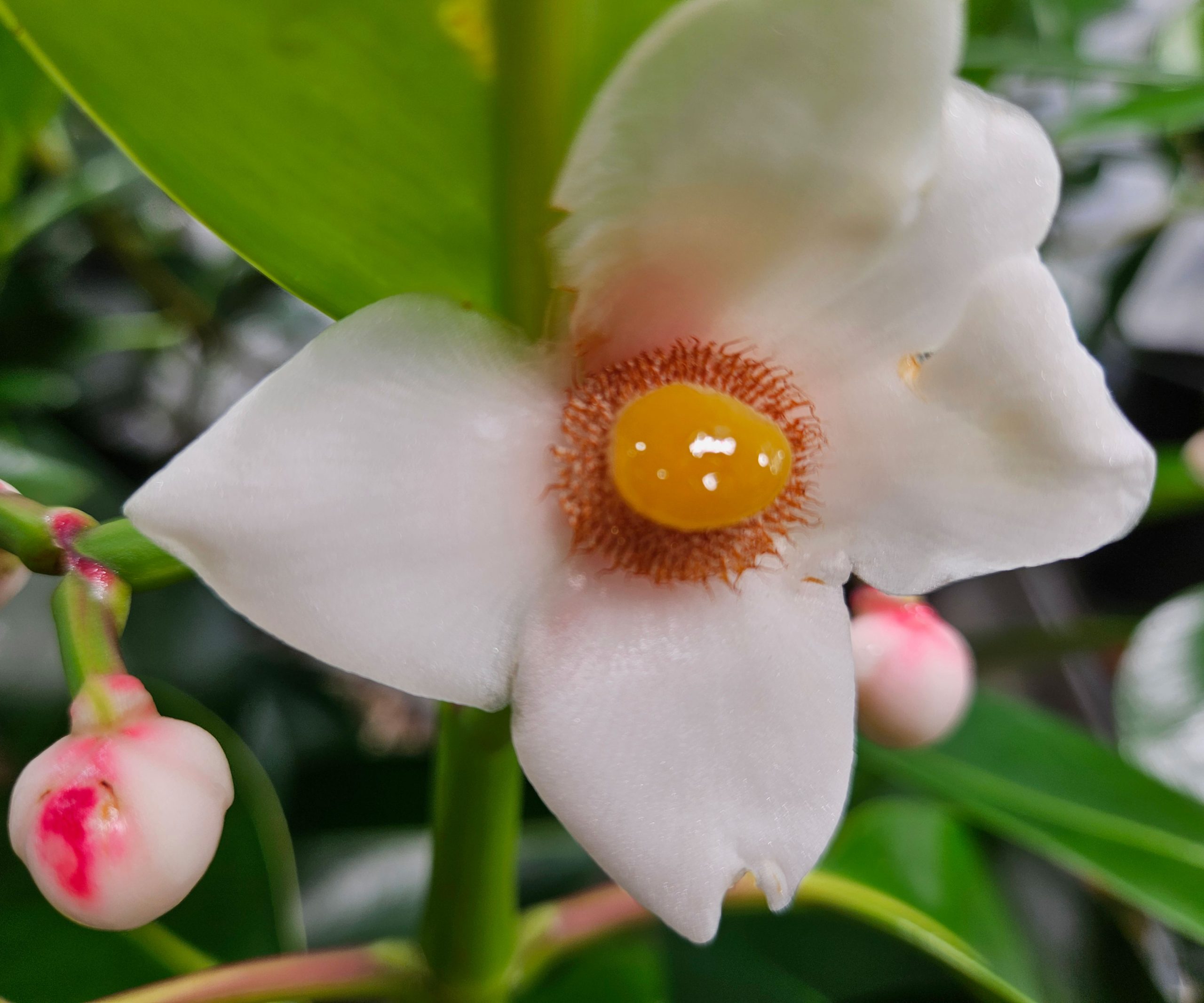
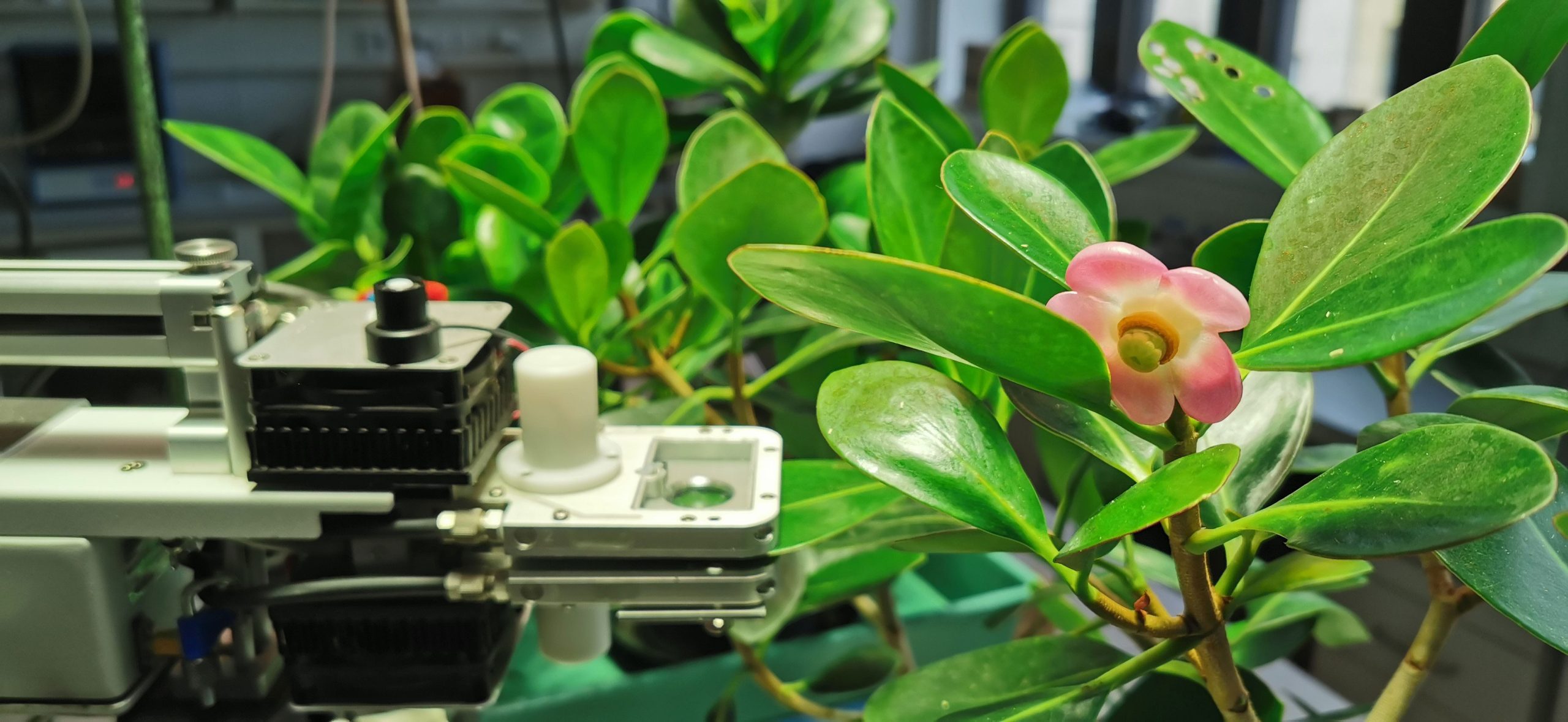
For the study, the genomes of three Clusia species with different CAM phenotypes were analyzed: Clusia rosea, Clusia minor, and Clusia major. The research group paired molecular data with physiological measurements collected under realistic environmental conditions.
The genus Clusia includes the only known trees that use CAM and shows an unusually broad range of photosynthetic strategies. These range from classical C₃ photosynthesis, in which plants take in carbon dioxide during the day, to strongly developed CAM.
This variety makes Clusia a valuable model for studying evolutionary shifts between different types of photosynthesis. The analyses showed that all three Clusia species are ancient polyploids, meaning their genomes were multiplied during evolution (polyploidization) and then reshaped over long spans of time (diploidization).
“In the process, gene copies are lost, deactivated or take on new functions,” explains lead author Hannes Kramml from the Division of Molecular Systems Biology, Department of Functional and Evolutionary Ecology, at the University of Vienna. Second lead author Johannes Herpell adds: “Genes crucial for nocturnal CO2 storage in CAM metabolism are particularly affected.”
Study leader Wolfram Weckwerth goes on to explain: “The genomes have not simply multiplied; over millions of years, they have been reorganized, reduced and functionally rewired. This enormous plasticity explains the physiological diversity of CAM in the genus Clusia.”
CAM under realistic environmental conditions
To see how these genetic differences affect the plants, the group studied them across the day in greenhouse conditions that closely resembled nature, using different levels of water availability. They combined physiological measurements with analyses of gene activity, proteins, and metabolic products. Clusia rosea shows strong CAM, with clear nighttime storage of carbon dioxide as malic acid.
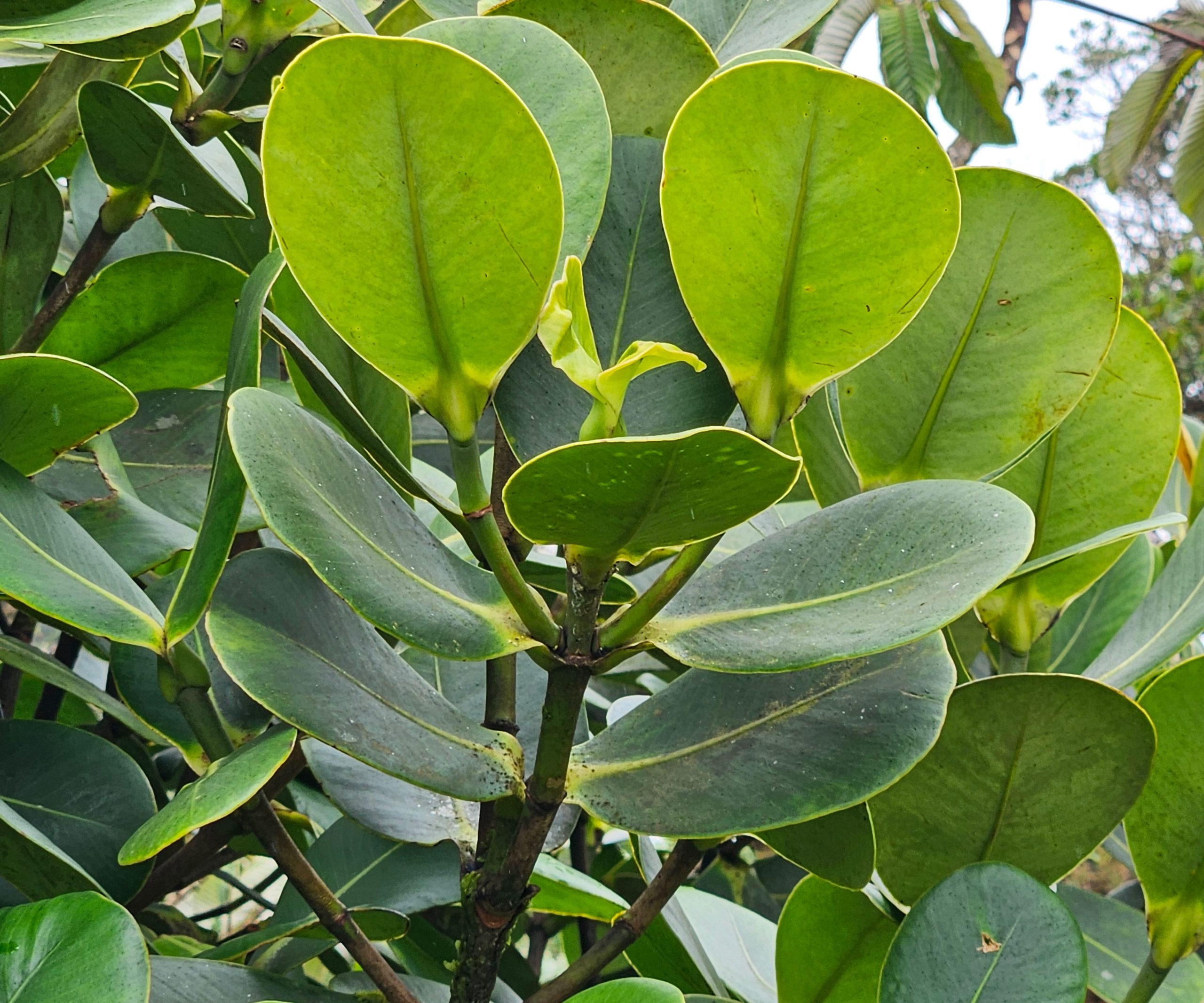
Clusia minor turns on CAM mainly during stress, while Clusia major uses a mixed form of C₃ photosynthesis and CAM. These differences appear consistently in patterns of gene activity and metabolism, and they can be connected to the genetic changes identified in the study.
In this case, CAM does not look like a single evolutionary event. Instead, it appears to have emerged through repeated genomic reorganization, allowing different species to adapt to very different ecological niches.
Implications for agriculture and climate resilience
CAM plants use much less water, making them promising models for crops that may need to withstand a hotter and drier climate. The new genomic data make it possible to identify metabolic processes linked to efficient CO2 fixation and improved water efficiency. Over time, these insights could help scientists adapt crops more precisely for dry environmental conditions.
Reference: “Clusia genomes shed light on the evolution and diversity of crassulacean acid metabolism physiotypes” by Hannes M. Kramml, Johannes B. Herpell, Clara Priemer, Zoe Wessely, Florian Schindler, Andreas Berger, Maximilian Kellner, Stefan Plott, Ágnes Dohovits, Tamara Schmidt, Peter Kerpan, Leila Afjehi-Sadat, Palak Chaturvedi, Arindam Ghatak, Martin Brenner, Iro Pierides, Lena Fragner, Eva M. Temsch, Fabio Trevisan, Menriti Ibrahim, Felix Fromwald, Anke Bellaire, Oleg Simakov, Werner Huber, Ulrich Lüttge, Ovidiu Paun, Susann Wicke, Hanna Weiss-Schneeweiss, Gert Bachmann and Wolfram Weckwerth, 5 May 2026, Nature Communications.
DOI: 10.1038/s41467-026-71958-z
Never miss a breakthrough: Join the SciTechDaily newsletter.
Follow us on Google and Google News.