
Close Menu
    Facebook X (Twitter) Instagram
    SciTechDaily
    • Biology
    • Chemistry
    • Earth
    • Health
    • Physics
    • Science
    • Space
    • Technology
    Facebook X (Twitter) Pinterest YouTube RSS
    SciTechDaily
    Home»Biology»Native Biodiversity Collapse in the Eastern Mediterranean – Most Native Species Are Going Locally Extinct
    Biology

    Native Biodiversity Collapse in the Eastern Mediterranean – Most Native Species Are Going Locally Extinct

    By University of ViennaJanuary 12, 2021No Comments3 Mins Read
    Facebook Twitter Pinterest Telegram LinkedIn WhatsApp Email Reddit
    Share
    Facebook Twitter LinkedIn Pinterest Telegram Email Reddit
    Biodiversity Collapse
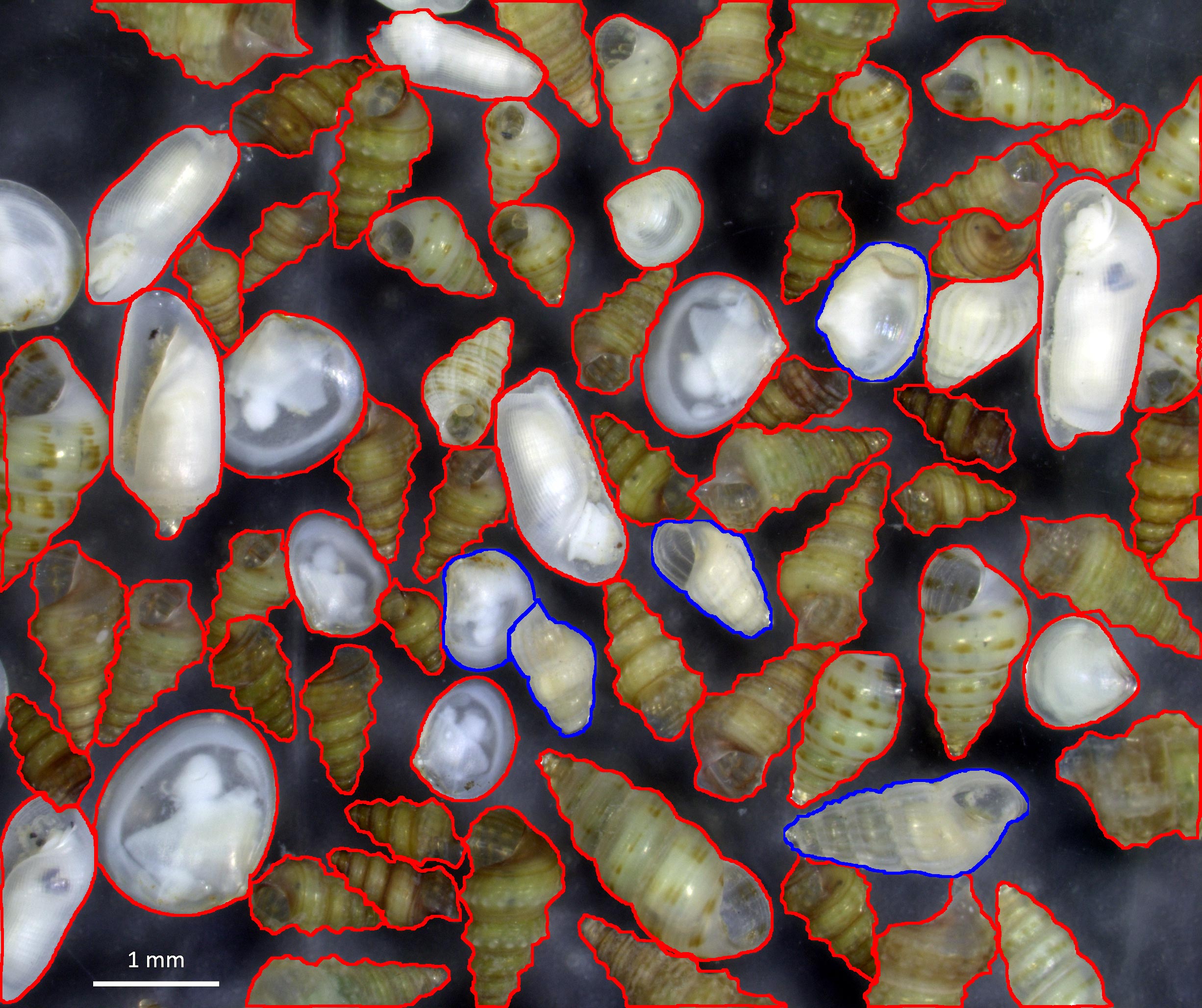
    Mollusks of a sample from Southern Israel: in red, those belonging to species of Red Sea origin, in blue, those of Mediterranean origin. Native species are very few, whereas tropical ones are dominant, marking the transformation of the ecosystem. Credit: © Paolo Albano

    Most native species are going locally extinct, while introduced tropical species thrive.

    The coastline of Israel is one of the warmest areas in the Mediterranean Sea. Here, most marine species have been at the limits of their tolerance to high temperatures for a long time — and now they are already beyond those limits. Global warming has led to an increase in sea temperatures beyond those temperatures that Mediterranean species can sustain. Consequently, many of them are going locally extinct.

    Paolo Albano’s team quantified this local extinction for marine mollusks, an invertebrate group encompassing snails, clams and mussels. They thoroughly surveyed the Israeli coastline and reconstructed the historical species diversity using the accumulations of empty shells on the sea bottom.

    Biodiversity Loss in the Last Few Decades

    The shallow habitats at scuba diving depths are affected most. Here, the researchers were not able to find living individuals of up to 95 percent of the species whose shells were found in the sediments. The study suggests that most of this loss has occurred recently, presumably in just the last few decades.

    Additionally, most of the species still found alive cannot grow enough to reproduce, “a clear sign that the biodiversity collapse will further continue,” says Albano. In contrast, the tropical species that enter from the Suez Canal thrive. The warm waters in the Eastern Mediterranean are very suitable habitats for them. Indeed, they occur in large populations and their individuals are fully fit to reproduce.

    “For anyone accustomed to snorkel or dive in the Mediterranean,” explains the researcher, “the underwater scenario in Israel is unrecognizable: The most common species are missing, while in contrast tropical species are everywhere”.

    The future perspectives for the Mediterranean are not good. The sea will continue to warm even if we would stop carbon dioxide emissions today. This is due to the inertia of the system, the long braking distance, so to speak.

    It is thus likely that the biodiversity collapse will continue to spread. It may already be occurring in other eastern Mediterranean areas not surveyed yet, and it will expand to the West and intensify. Only intertidal organisms, which are to some extent pre-adapted to temperature extremes, and habitats in deeper water, where the temperature is markedly lower, will continue to persist — at least for some time.

    “But the future is dim unless we immediately act to reduce our carbon emissions and to protect marine habitats from other pressures which contribute to biodiversity loss,” says Paolo Albano, “The changes that already occurred in the warmest areas of the Mediterranean may not be reversible, but we would be able to save large parts of the rest of the basin.”

    Methodologically, the study was also interesting due to its interdisciplinary character: “These results came from the cooperation of scientists with very different backgrounds,” says Martin Zuschin, Head of the Department of Palaeontology and co-author of the study. “In particular, the cooperation between ecologists and paleontologists is providing unique new views on how humankind is impacting biodiversity.”

    Reference: “Native biodiversity collapse in the eastern Mediterranean” by Paolo G. Albano, Jan Steger, Marija Bošnjak, Beata Dunne, Zara Guifarro, Elina Turapova, Quan Hua, Darrell S. Kaufman, Gil Rilov and Martin Zuschin, 6 January 2021, Proceedings of the Royal Society B: Biological Sciences.
    DOI: 10.1098/rspb.2020.2469

    Never miss a breakthrough: Join the SciTechDaily newsletter.
    Follow us on Google and Google News.

    Archaeology Biodiversity Climate Change Ecology Evolution Mediterranean Sea Paleontology University of Vienna
    Share. Facebook Twitter Pinterest LinkedIn Email Reddit

    Related Articles

    First Animals Formed Complex Ecological Communities Before the Cambrian Explosion

    Temperature Explains Why the Greatest Variety of Aquatic Life Resides in the Tropics

    Earth’s Worst Mass Extinction Took Ten Times Longer on Land Than in the Water

    Species Come and Go – Their Ecosystems Persist Over Millions of Years

    Climate Change Drives Babbler Birds Into “Ecological Trap”

    Habelia Optata – A 508-Million-Year-Old Sea Creature

    Fossils Reveal Dogs Evolved as the Climate Changed

    New Study Links Expanding Human Population to Threats of Animal Extinction

    Biodiversity on Earth Increases With Global Warming

    Leave A Reply Cancel Reply

    • Facebook
    • Twitter
    • Pinterest
    • YouTube

    Don't Miss a Discovery

    Subscribe for the Latest in Science & Tech!

    Trending News

    Millions Take These IBS Drugs, But a New Study Finds Serious Risks

    Scientists Unlock Hidden Secrets of 2,300-Year-Old Mummies Using Cutting-Edge CT Scanner

    Bread Might Be Making You Gain Weight Even Without Eating More Calories

    Scientists Discover Massive Magma Reservoir Beneath Tuscany

    Europe’s Most Active Volcano Just Got Stranger – Here’s Why Scientists Are Rethinking It

    Alzheimer’s Symptoms May Start Outside the Brain, Study Finds

    Millions Take This Popular Supplement – Scientists Discover a Concerning Link to Heart Failure

    The Universe Is Expanding Too Fast and Scientists Can’t Explain Why

    Follow SciTechDaily
    • Facebook
    • Twitter
    • YouTube
    • Pinterest
    • Newsletter
    • RSS
    SciTech News
    • Biology News
    • Chemistry News
    • Earth News
    • Health News
    • Physics News
    • Science News
    • Space News
    • Technology News
    Recent Posts
    • Scientists Say a Hidden Structure May Exist Inside Earth’s Core
    • Doctors Surprised by the Power of a Simple Drug Against Colon Cancer
    • Why Popular Diabetes Drugs Like Ozempic Don’t Work for Everyone: The “Genetic Glitch”
    • Scientists Create Improved Insulin Cells That Reverse Diabetes in Mice
    • Scientists Stunned After Finding Plant Thought Extinct for 60 Years
    Copyright © 1998 - 2026 SciTechDaily. All Rights Reserved.
    • Science News
    • About
    • Contact
    • Editorial Board
    • Privacy Policy
    • Terms of Use

    Type above and press Enter to search. Press Esc to cancel.