
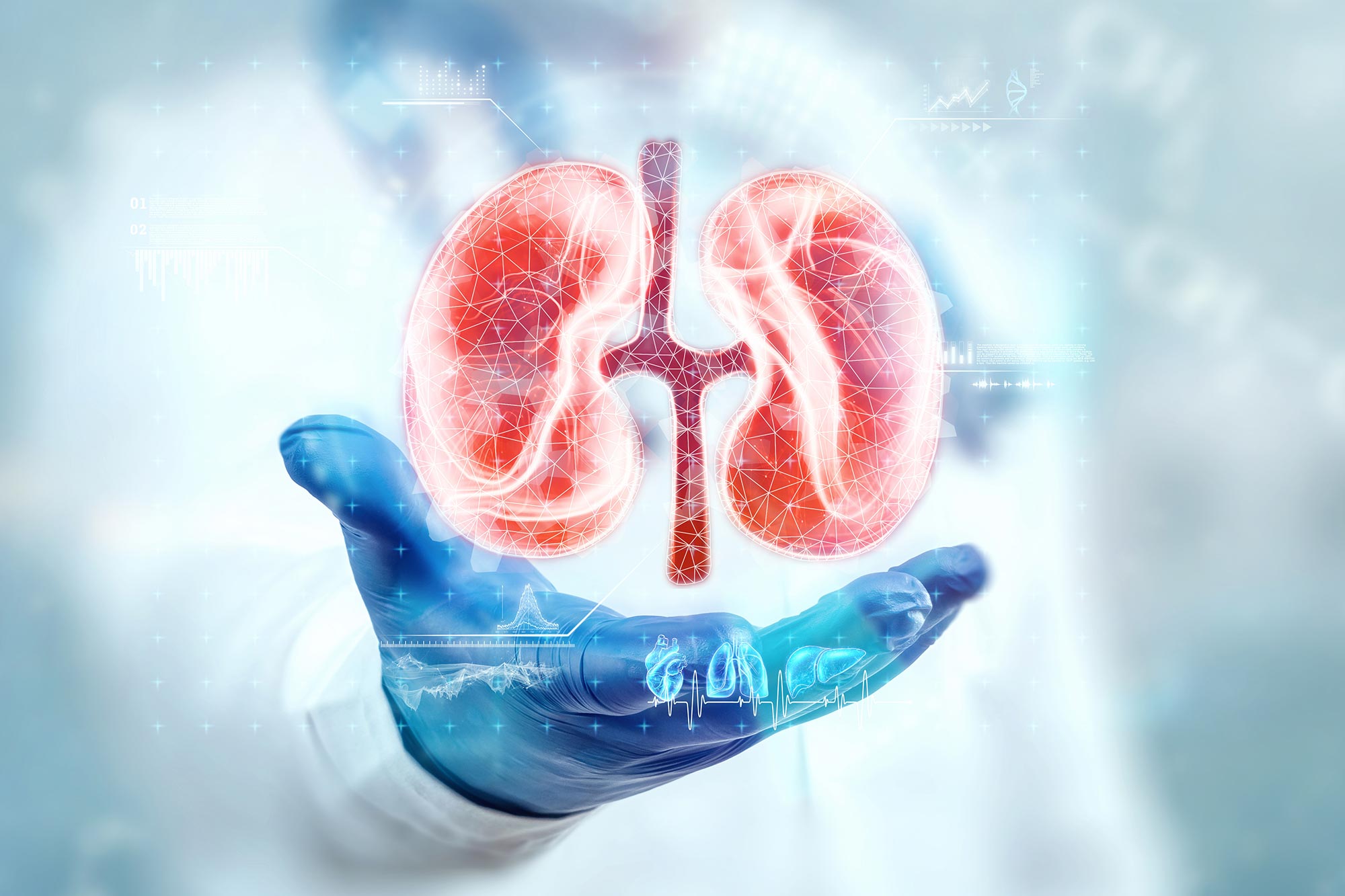
A surprising finding has revealed that the kidneys may control water retention through an additional pathway beyond the one described in traditional physiology.
For decades, biology textbooks have taught that a single hormone, vasopressin, plays the central role in helping the kidneys conserve water and prevent dehydration. Now, researchers at Mayo Clinic have discovered that the kidneys have another way to perform this essential task, a finding that reshapes scientific understanding of how the body regulates water balance.
The discovery, published in the Journal of Clinical Investigation, emerged unexpectedly during research into polycystic kidney disease (PKD), a common inherited disorder that gradually damages the kidneys and can lead to kidney failure.
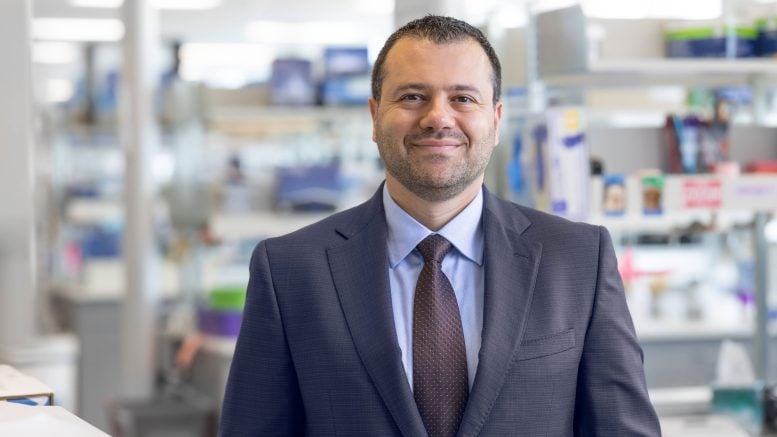
Led by Mayo Clinic nephrologist Fouad Chebib, M.D., the team identified a previously unknown pathway that allows the kidneys to concentrate urine independently of vasopressin. The finding could ultimately lead to new treatments that improve quality of life for people with PKD and other kidney disorders.
“The kidney’s ability to regulate water is one of the most fundamental processes in the body,” Dr. Chebib says. “It’s not every day that you uncover a new way it carries out that function.”
Polycystic kidney disease is a common inherited disorder in which fluid-filled cysts gradually develop in the kidneys, reducing their function and often leading to kidney failure. The disease affects millions of people worldwide, including about 140,000 Americans with the most common form, autosomal dominant PKD (ADPKD). Many patients eventually need dialysis or a kidney transplant.
Unexpected Effects of Probenecid in PKD Research
Dr. Chebib’s team investigates how kidney cysts develop in PKD using laboratory-grown cell models. During that work, researchers tested compounds that were expected to accelerate the disease by increasing cellular signals associated with cyst growth. One of those compounds was probenecid, a medication originally introduced in the 1940s to help conserve penicillin by reducing its excretion in urine.
“We thought this drug would make the disease process worse,” Dr. Chebib says. “Instead, it did the opposite.”
Rather than increasing cyst growth, probenecid slowed it. After repeating the experiments several times, the researchers realized they had found something unexpected.
Urate Signaling Reveals an Alternative Water Balance Mechanism
Additional studies showed that probenecid changes how kidney cells process urate, a molecule best known for its role in gout. Within cells, urate acts as a signaling molecule that triggers a series of events leading water channels to move to the cell surface. As a result, the kidneys can reabsorb water and concentrate urine without depending on vasopressin, which has long been considered the primary regulator of this process.
“This represents a distinct pathway from what is described in traditional physiology models,” Dr. Chebib says. “It demonstrates that the kidney has an additional mechanism to preserve water.”
The finding may help solve a major challenge for people with PKD. The only approved treatment, tolvaptan, slows cyst growth by blocking vasopressin. However, it also causes patients to produce very large amounts of urine, often 6 to 7 liters (about 1.6 to 1.8 gallons) per day. The side effects can be difficult to manage and sometimes lead patients to discontinue treatment.
Reducing Tolvaptan Side Effects While Maintaining Benefits
In preclinical research and a small clinical trial, adding probenecid lowered urine volume and reduced nighttime urination without diminishing the effectiveness of treatment.
On average, patients experienced about a 30% reduction in urine output after taking probenecid. Many went from waking several times each night to urinate to waking only once. Participants also reported improvements in quality of life.
“The goal is to preserve the therapeutic benefit of tolvaptan while reducing its burden,” Dr. Chebib says.
Designing Targeted Therapies Beyond Probenecid
Despite the encouraging results, researchers do not view probenecid as a long-term answer. The medication is several decades old, affects multiple biological systems, and is not widely available today. Instead, the team is using the insights gained from the drug to develop therapies that target this newly identified pathway more precisely.
“Probenecid helped us uncover the mechanism,” Dr. Chebib says. “Our goal is to take this insight and develop therapies designed specifically for this pathway.”
For Dr. Chebib, the research has personal significance. His interest in kidney disease began after his father was diagnosed with PKD.
“This has been a long and deeply purposeful journey,” he says. “It started with a personal motivation and led to something that could ultimately benefit patients.”
Reference: “GLUT9b- and ABCG2-mediated collecting duct urate transport uncover a vasopressin-independent mechanism of renal water reabsorption” by Mohamad Hadla, Jean Marc Mardirossian, Daniel G. Bichet, Abdul Hamid Borghol, Georges Abboud, Ahmad Ghanem, Eduardo N. Chini, Peter C. Harris, Vicente E. Torres, Seth L. Alper, Volker Vallon and Fouad T. Chebib, 16 June 2026, The Journal of Clinical Investigation.
DOI: 10.1172/JCI197021
Never miss a breakthrough: Join the SciTechDaily newsletter.
Follow us on Google and Google News.