
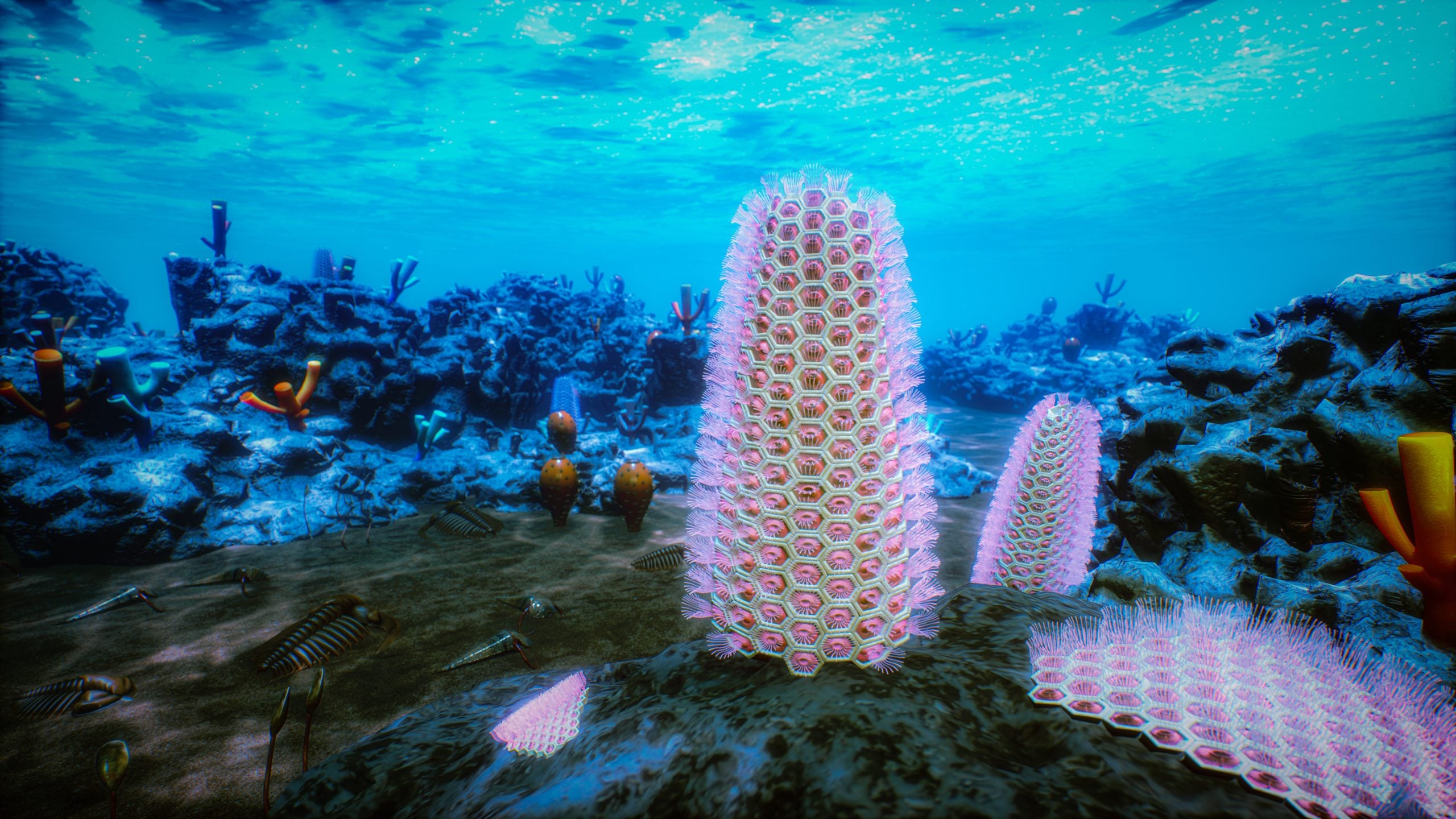
Exceptionally preserved fossils from China reveal that bryozoans were already thriving during the Cambrian explosion.
More than half a billion years ago, the Cambrian explosion reshaped life on Earth, giving rise to nearly every major animal lineage alive today. Yet despite more than a century of fossil discoveries, one group remained conspicuously absent. Bryozoans, tiny colonial animals that carpet modern reefs and seafloors, seemed to appear tens of millions of years too late, leaving scientists with one of the last major unanswered questions about this pivotal period in evolution.
Now, exceptionally preserved fossils from southern China have filled that gap. Dating to about 520 million years ago, the fossils show that bryozoans were already thriving during the Cambrian explosion, overturning the idea that they evolved much later and providing some of the strongest evidence yet that nearly all major animal groups emerged during this remarkable evolutionary radiation.
The fossils are extraordinary not only because of their age but also because of their preservation. They retain microscopic anatomical features that allow researchers to confidently identify the animals as bryozoans, resolving a decades-long debate over their identity and pushing the group’s evolutionary origins even deeper into Earth’s past.
The Evolutionary Enigma Solved
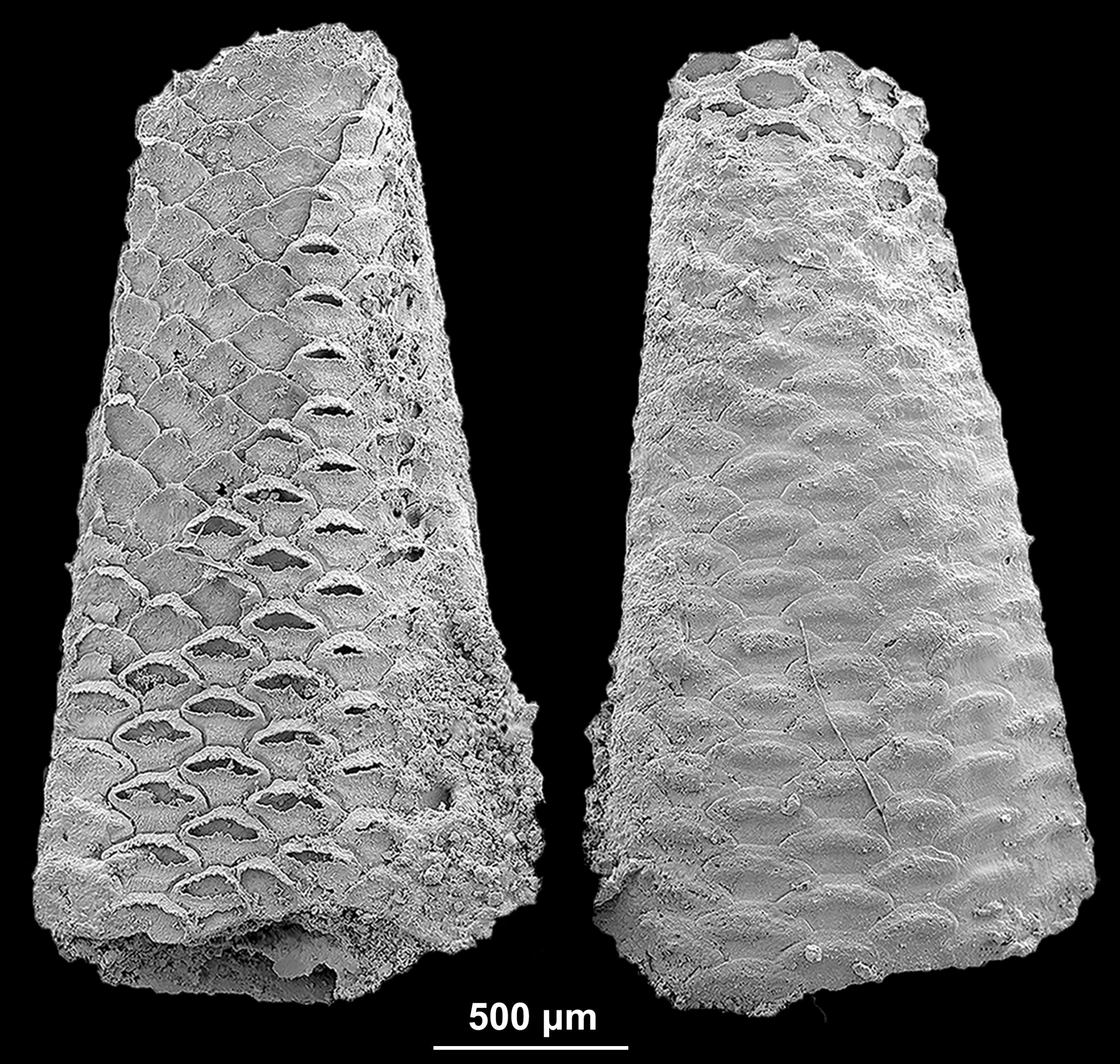
Reporting in Nature, scientists from China, Sweden, Australia, and Germany describe exceptionally preserved fossils from the Xiannüdong Formation in southern Shaanxi Province, China. The material includes new examples of the previously known Protomelission gatehousei and a newly identified taxon, Dayingomelission hexaclitia gen. et sp. nov. Both date to the early Cambrian, about 520 million years ago.
“Bryozoa has been the elephant in the room of Cambrian paleontology for a long time,” said co-author Dr Timothy Topper of Northwest University and the Swedish Museum of Natural History. “Every other major animal phylum had a Cambrian representative, except bryozoans. These fossils, finally, close that chapter for good.”
The fossils are important not only because of their age, but also because of how much detail they preserve. The tiny colonies, only a few millimeters across, were fossilized in three dimensions, with internal soft tissues still preserved and mineralized by phosphate.
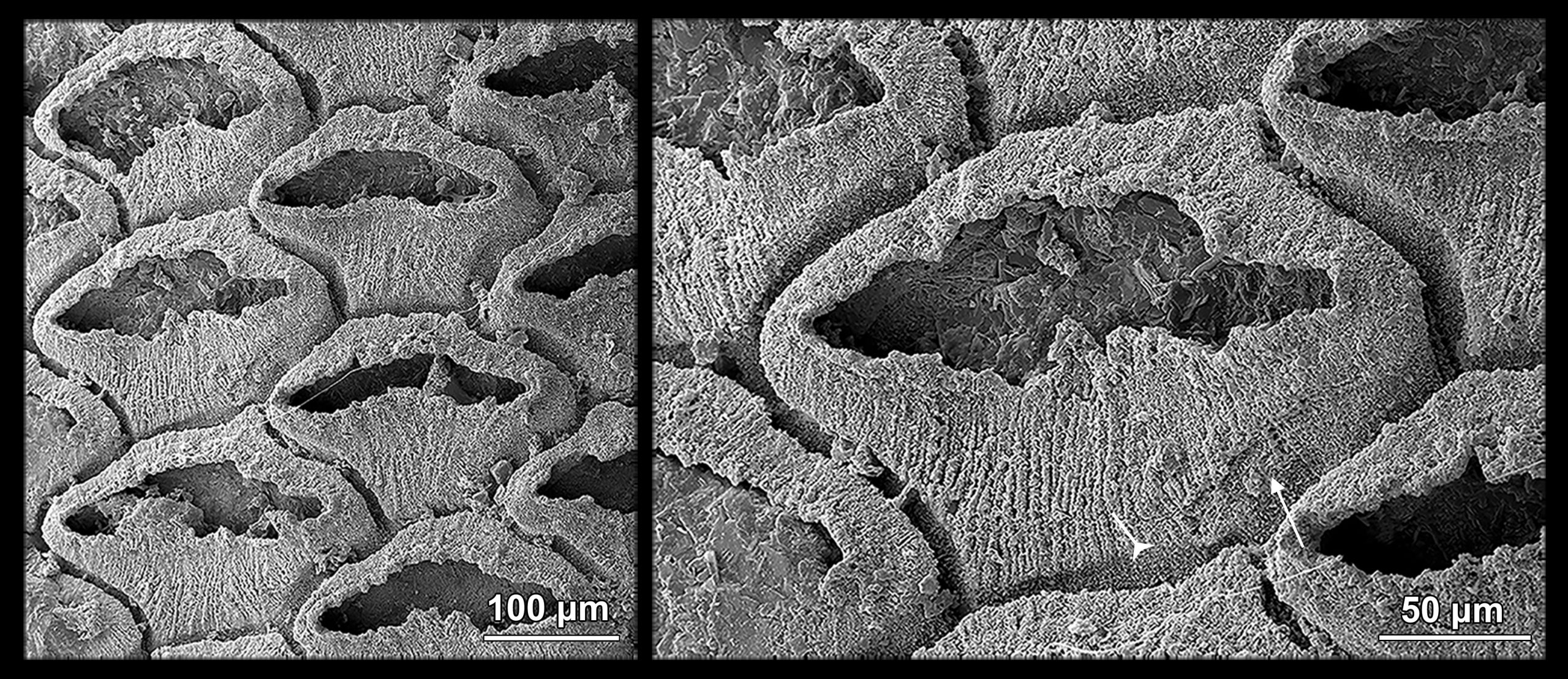
With advanced imaging methods, the researchers identified fine anatomical features, including membranous sacs, structural spines called styles, and even individual muscle fibers. They also found the distinctive hexagonal, modular arrangement of zooid skeletons that characterizes bryozoan colonies. Taken together, the skeletons and soft tissue anatomy strongly support their identification as bryozoans.
“These specimens are remarkable; to have soft tissues mineralized inside their original skeletal housing, half a billion years later, is nothing short of extraordinary,” said Professor Zhifei Zhang of Northwest University, the study’s corresponding author. “These bryozoans lived in shallow, clear-water reef environments, which may explain why they have eluded discovery for so long; the Cambrian fossil sites best known for soft-tissue preservation invariably represent deeper-water settings.”
Rewriting the timeline
The fossils do more than fill a missing chapter in the fossil record. They also change how scientists understand the bryozoan family tree. A phylogenetic analysis places both Cambrian taxa within the crown group Stenolaemata, one of the three main classes of living bryozoans. Because these fossils already sit on an advanced branch of the group, bryozoans must have originated even earlier, possibly as far back as the Ediacaran period before the Cambrian explosion began.
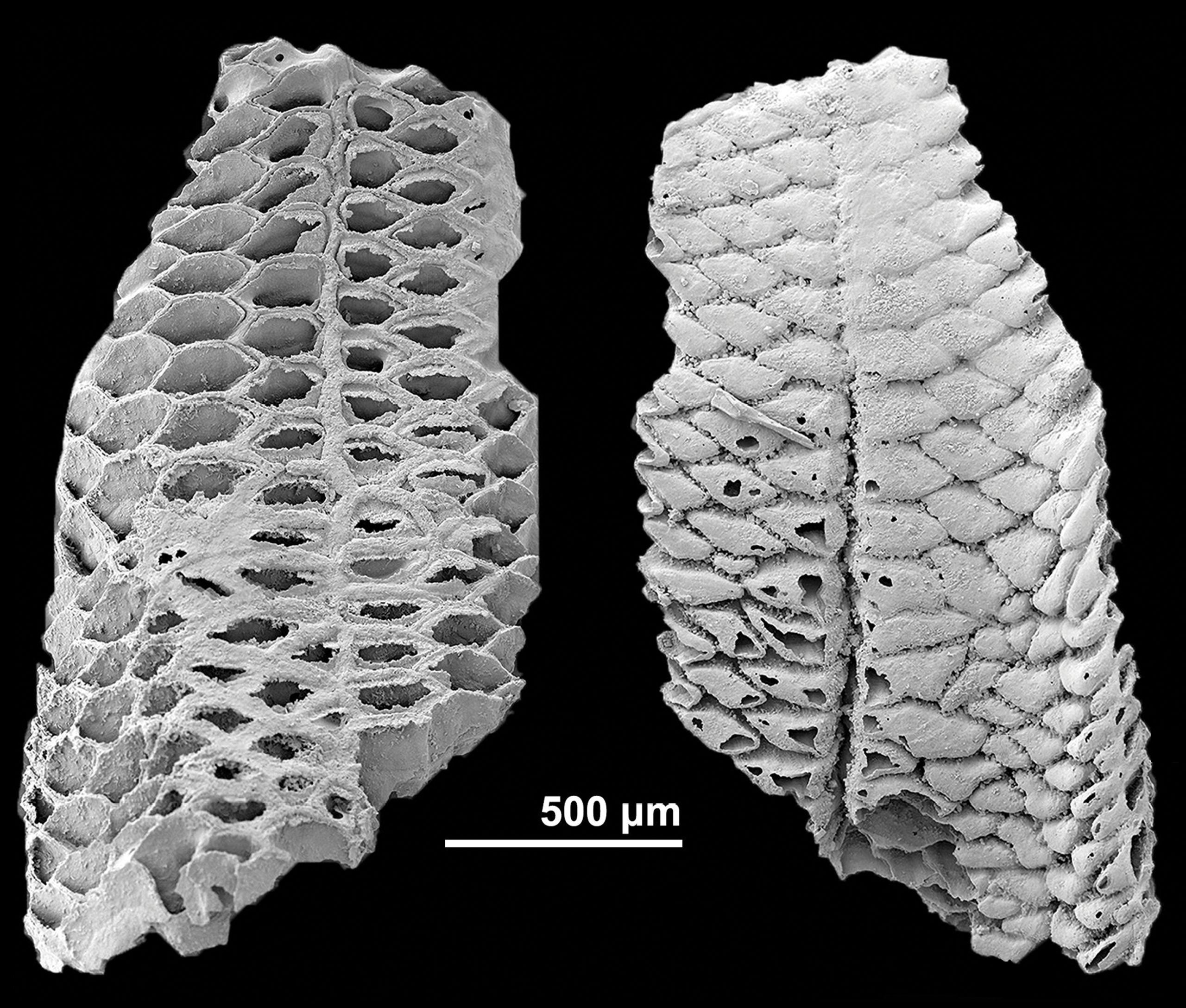
The new evidence also challenges earlier claims that P. gatehousei might not be a bryozoan. Some researchers had proposed that it could be a green alga or isolated sclerites from another kind of organism. The newly preserved soft tissues, along with detailed comparisons of colony size, shape and internal structure, rule out those alternative explanations and provide a clear link to bryozoans.
“These aren’t just simple precursors; they are complex, modular colonies,” explains Baopeng Song, the study’s lead author. “The combination of skeletal architecture and internal anatomy provides definitive evidence that these are true bryozoans, and that the phylum was already diversifying during the Cambrian radiation.”
Together, the two Chinese taxa and previously reported Cambrian fossils from South Australia indicate that bryozoans were more widespread in early Cambrian oceans than previously recognized. They also show that these animals were already highly developed. Their colonial body plan, in which genetically identical individuals called polypides work together inside a shared skeleton, now appears to have been a central innovation of the Cambrian explosion rather than a later evolutionary arrival.
Reference: “High-fidelity modular skeletons authenticate a Cambrian origin for Bryozoa” by Baopeng Song (宋宝鹏), Zhifei Zhang (张志飞), Luke C. Strotz, Timothy P. Topper, Andrej Ernst, Junye Ma (马俊业), Zhiliang Zhang (张志亮), Mei Luo (罗梅), Lars E. Holmer, Yue Liang (梁悦), Yazhou Hu (胡亚洲), Caibin Zhang (张彩彬), Yanlong Chen (陈延龙) and Glenn A. Brock, 3 June 2026, Nature.
DOI: 10.1038/s41586-026-10590-9
This study was financially supported by the National Key Research and Development Program of China (grant 2023YFF0803601 to Zhifei Zhang), the National Natural Science Foundation of China (grantW2441016 to L.C.S.), the Department of Science and Technology of Shaanxi Province (2022TD-11 to Zhifei Zhang) and 111 Project (D17103).
Never miss a breakthrough: Join the SciTechDaily newsletter.
Follow us on Google and Google News.