
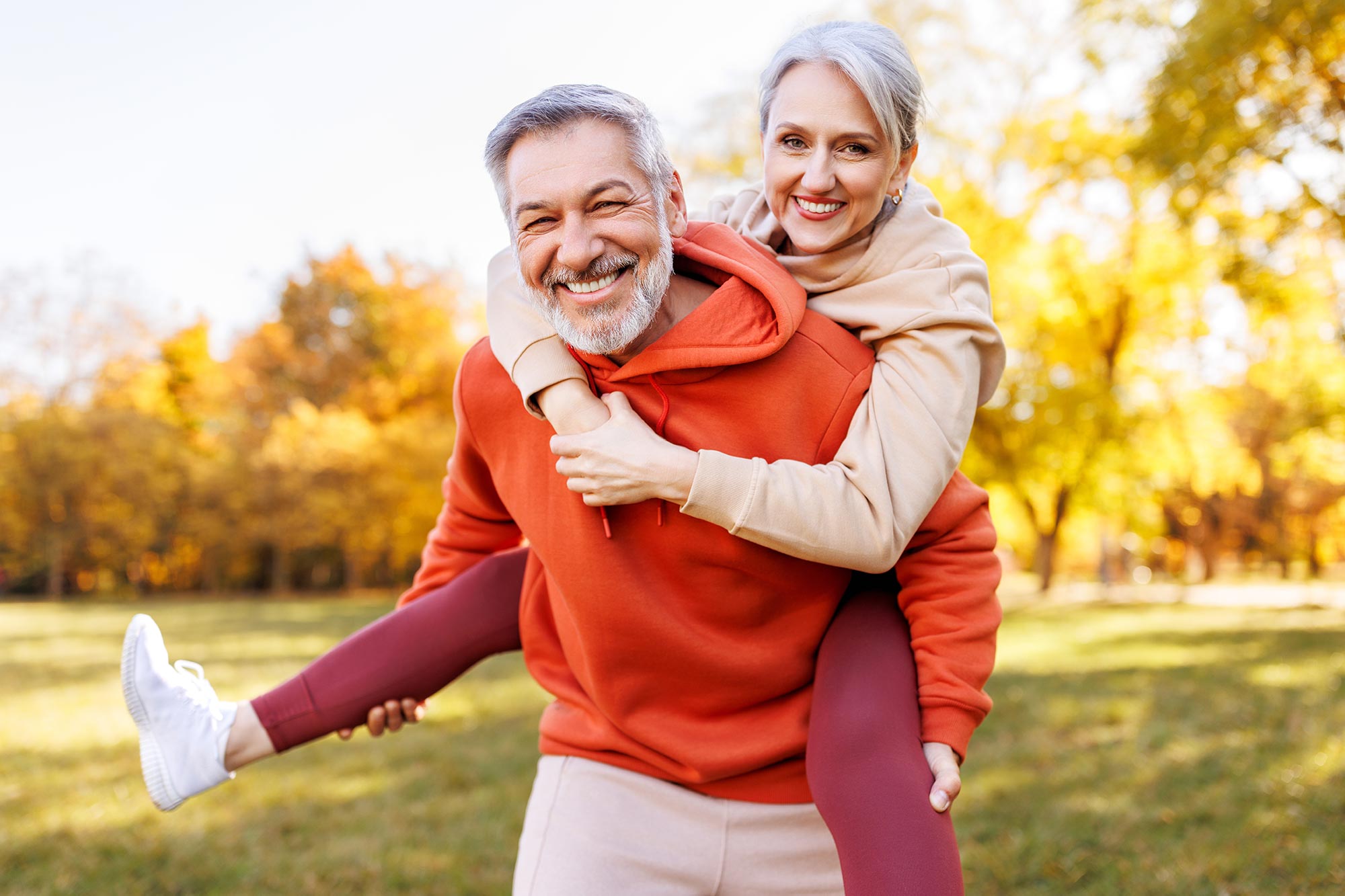
A new review suggests that many adults could benefit from more protein and more exercise than current public health guidelines recommend.
A growing body of research suggests that the health advice many people follow today may only be enough to prevent deficiency, not help them thrive throughout life.
A new perspective paper published in Frontiers in Nutrition argues that current public health recommendations for exercise and protein intake should go beyond the minimum needed to avoid health problems. Instead, the author says guidance should also reflect the latest evidence on maintaining strength, independence, mental sharpness, and quality of life as people age.
The paper tackles three fundamental questions: How much protein do people really need? What kinds of exercise offer the greatest benefits? And what does current scientific evidence recommend?
Rethinking Exercise and Protein Guidelines
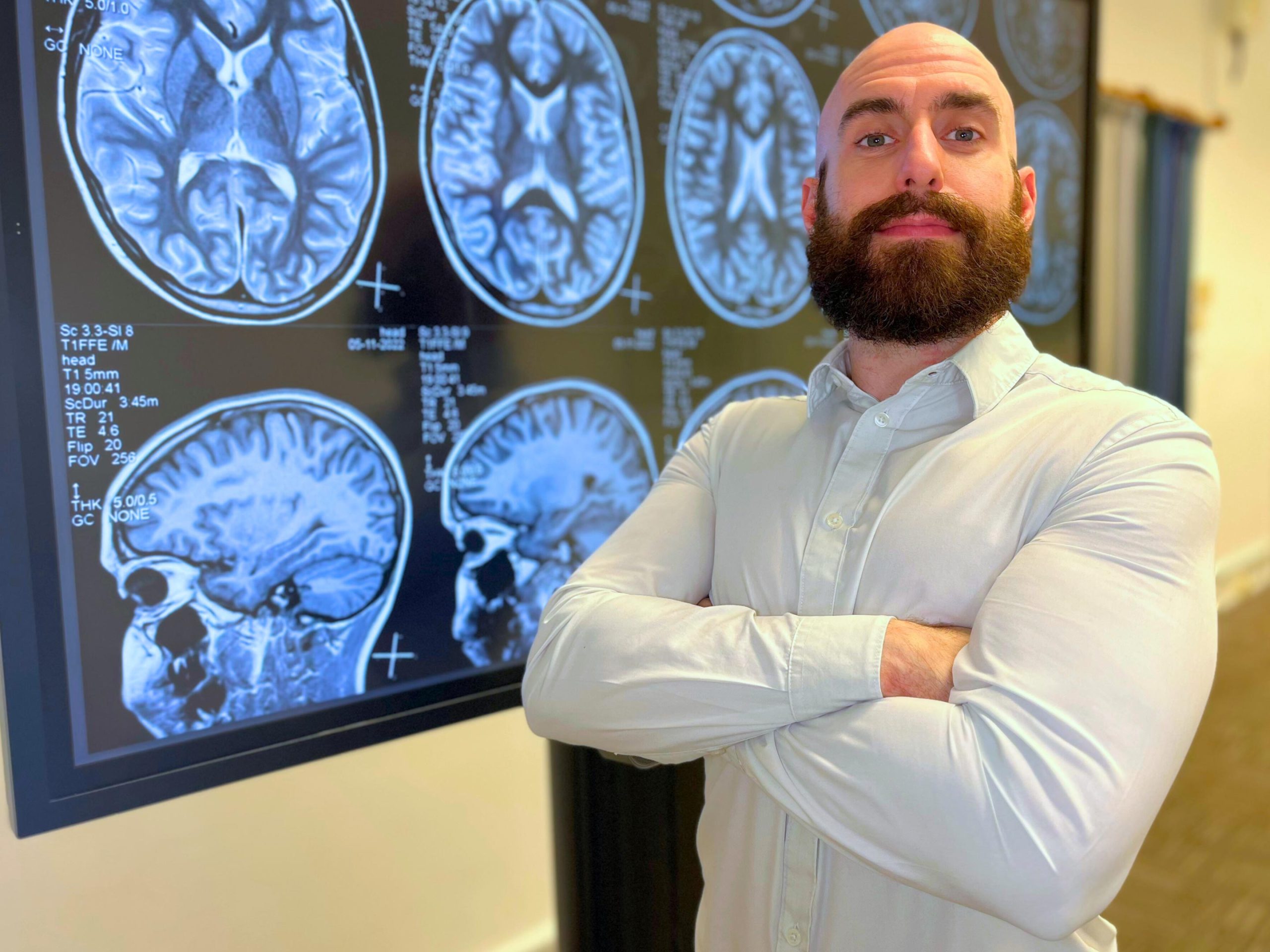
Author Dr. Chris Macdonald (Fellow of Lucy Cavendish College, University of Cambridge, and Director of the Better Protein Institute) says modern research points to benefits from both higher levels of physical activity and greater protein intake than many existing recommendations suggest.
“Public health advice often focuses on the minimum people need to avoid problems,” said Dr. Macdonald. “But many people want to know what they should do to remain strong, independent, and mentally sharp throughout life.”
According to the review, regular physical activity is associated with a lower risk of premature death, better mental health, stronger cognitive function, and greater resistance to age-related decline. The evidence also indicates that combining aerobic exercise with resistance training may provide particularly powerful health benefits.
Why More Protein May Benefit Many People
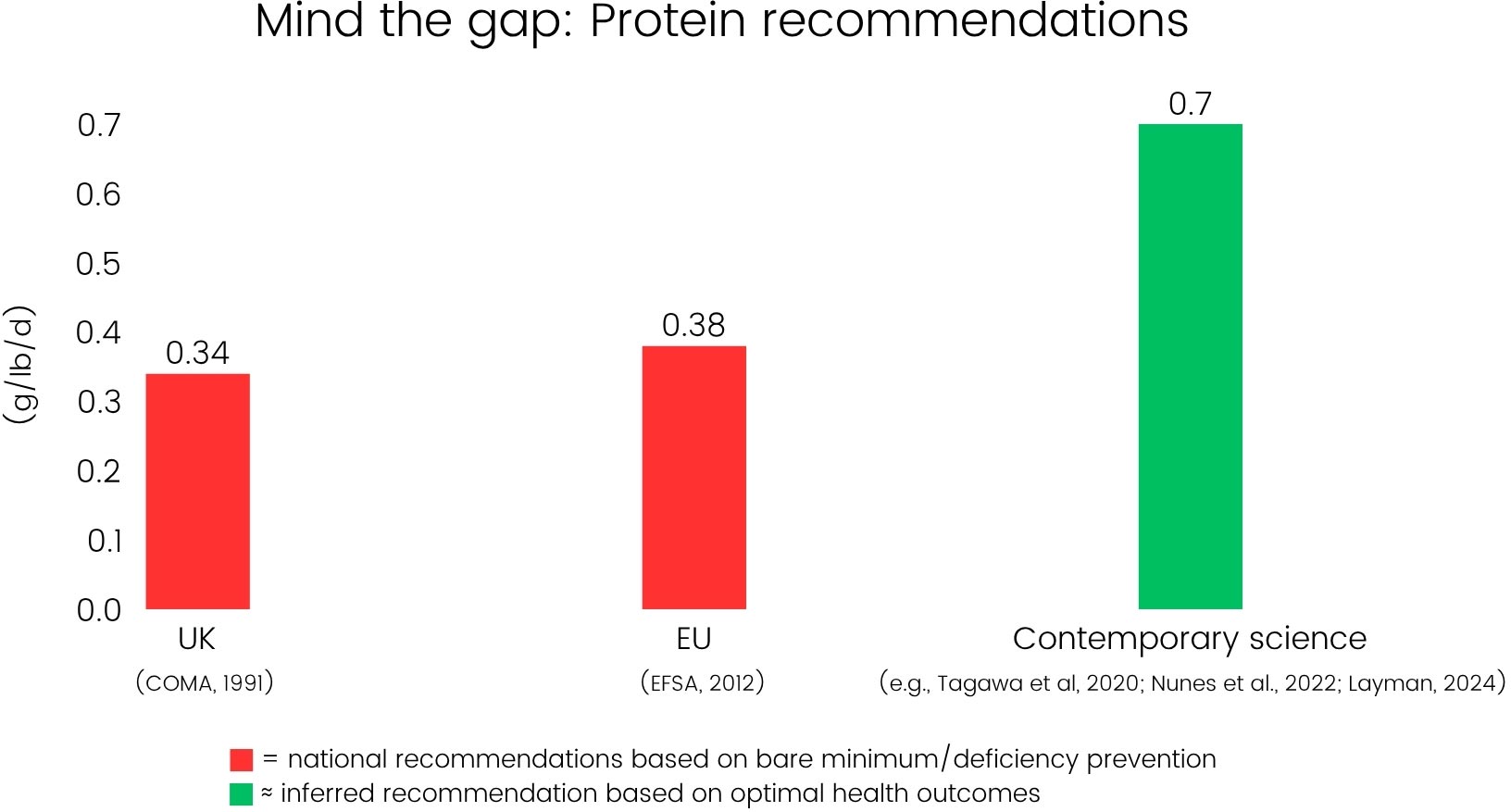
The paper also reexamines protein recommendations, noting that current UK guidelines are based largely on preventing protein deficiency in sedentary adults.
More recent evidence, however, suggests that several groups may benefit from consuming substantially more protein, including physically active people, older adults, and pregnant women. The review also points to research showing that higher protein diets may support fat loss because they increase satiety and boost the body’s thermic effect, which raises the energy used during digestion.
The paper further notes that eating more protein is compatible with plant-based diets when meals are thoughtfully planned, as demonstrated by the growing number of vegan powerlifters and bodybuilders.
Shifting the Focus From Minimum to Optimal Health
Rather than replacing existing public health recommendations, Dr. Macdonald proposes adding a second set of guidelines aimed at achieving “optimal health outcomes.” He argues that people would benefit from clearer, more practical advice focused not only on avoiding disease, but also on maximizing long-term health and function.
Beyond updating the recommendations themselves, Dr. Macdonald believes society also needs to rethink how it views exercise and nutrition.
“… high-intensity exercise and high-protein diets are often associated with bodybuilders and superficial aesthetic goals. However, high-intensity exercise and high-protein diets also empower the general population to extend their lifespan and healthspan. Therefore, it is less about having ‘abs’ and a ‘beach body’ and more about being able to lift up, play with, and even remember, your grandchildren thanks to a strong and resilient body and mind. When we see a stereotypical image of a hunched-over slow, fragile person with ill health, in their later years, it seems like an inevitable consequence of “Father Time”, however, I propose that in most cases, it is evidence of a non-evidence-based lifestyle. In short, we should not be quick to normalize and accept the consequences of a largely sedentary lifestyle; we should proactively empower people to reclaim their health and their independence. The reduction in unnecessary suffering would be profound.”
Reference: “Beyond the bare minimum: the case for revised physical activity guidelines and protein intake recommendations that maximise healthspan” by Chris Macdonald, 3 June 2026, Frontiers in Nutrition.
DOI: 10.3389/fnut.2026.1853124
Never miss a breakthrough: Join the SciTechDaily newsletter.
Follow us on Google and Google News.
1 Comment
you may underline the fact that it is not the protein that builds the muscle, it is the training and that in turn requires protein.