
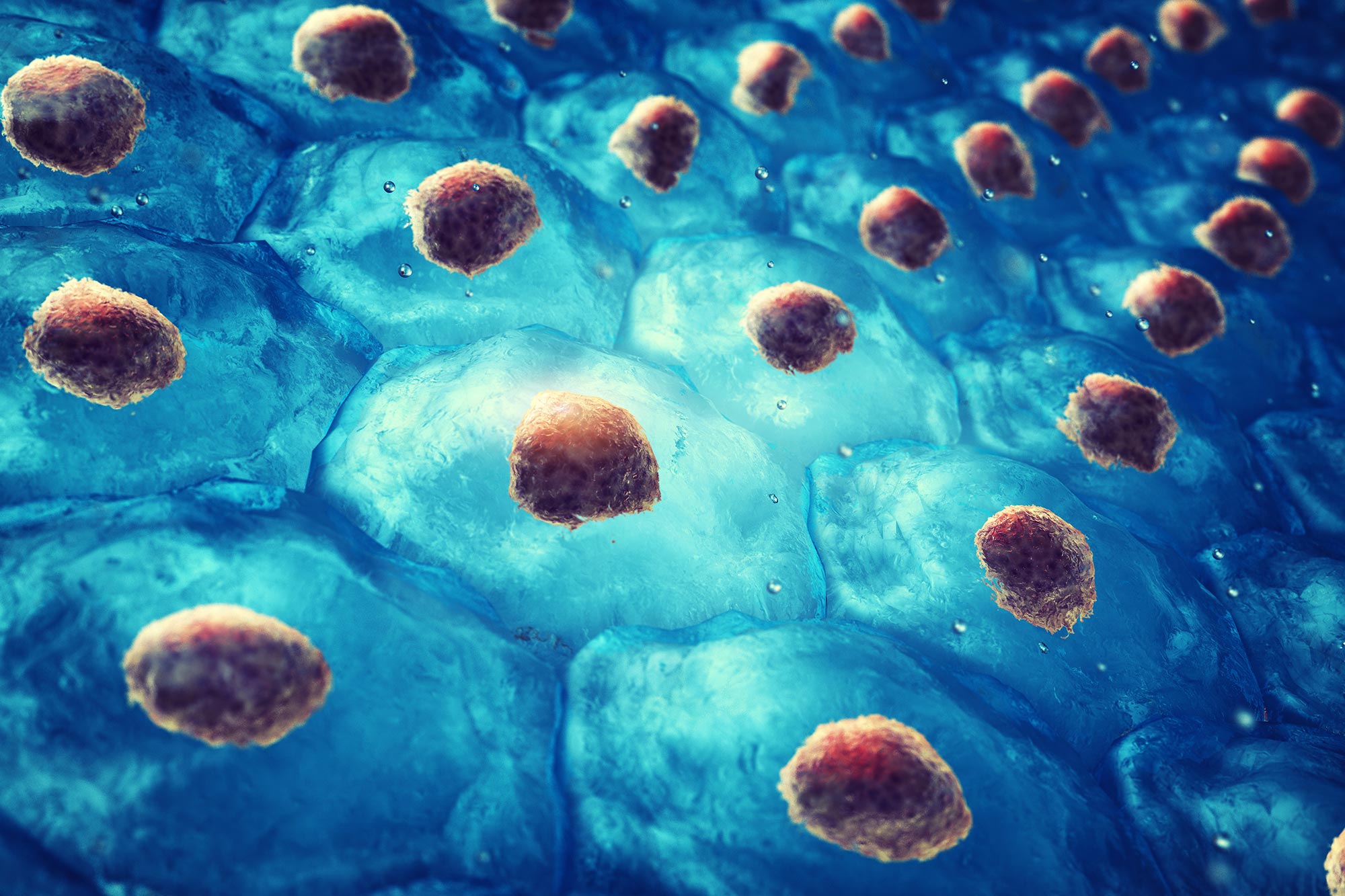
A gentler stem cell transplant rejuvenated aging blood and immune systems in mice.
Imagine storing your own healthy blood stem cells while young, then receiving them decades later to refresh the systems that produce blood and support immunity. That possibility remains speculative for people, but researchers have shown that young stem cells can rejuvenate these systems when transplanted into old mice.
Because mice rarely live longer than a few years, they pass through the aging process far more quickly than humans. This short lifespan makes them useful for studying biological changes that develop with age.
“The study was conducted in mice, and although biological aging in mice and humans is very similar, clinical treatments are still a long way off. But the study has shown that it’s possible to replace aging and defective blood stem cells safely,” says David Bryder, professor of molecular hematology at Lund University.
In a young and healthy body, the blood-producing system maintains a careful balance. Bone marrow stem cells continually adjust the production of red blood cells, white blood cells, and platelets, generating millions of cells every second. Red blood cells transport oxygen, white blood cells support immune defenses, and platelets allow blood to clot.
“As we age, this ability deteriorates. The biggest problem with aging blood stem cells is immune vulnerability: our immune system becomes weaker. This increases the risk of many different diseases, such as different forms of leukemia and immune disorders. Common infections become more severe and more prolonged.”
Young stem cells rejuvenate old mice
Researchers transplanted blood stem cells from young mice into older animals and saw renewed function in both the blood-producing system and the immune system. Crucially, they achieved this without using chemotherapy or radiation.
“Being able to do this gently is important. Most of the patients who need a stem cell transplant are older, and not all of them can cope with the harsh treatments required today.”

A gentler transplant clears space
Stem cell transplantation currently faces two major obstacles. Suitable donors are scarce, and patients usually need chemotherapy or radiation to prepare their bodies for the new cells. Before healthy stem cells can settle in the bone marrow, existing cells must either be eliminated or persuaded to leave the spaces where they live.
“We managed to temporarily draw older blood stem cells out into the bloodstream in large numbers at the same time as we injected new healthy blood stem cells. Then a race begins in the blood to see which cells can get into the bone marrow first, because that is the only place where they can multiply. The younger, healthier stem cells won.”
Before transplantation, the researchers expanded the supply of young, healthy blood stem cells in the laboratory because obtaining enough cells naturally is difficult. They also administered an antibody medicine designed to target defective stem cells rather than indiscriminately destroying both healthy and diseased cells, as chemotherapy does.
New immune cells reshape aging bodies
Following transplantation, the old mice regained substantial production of naïve B and T lymphocytes, immune cells that are especially effective at responding to viruses, bacteria, and other pathogens.
“These are cells that play a key role in the immune system and that normally decline with age. These young cells not only survived – they reshaped the entire immune landscape in the older body.”
Human treatment remains a distant goal
In current medical practice, stem cell transplants are used mainly to treat certain cancers, immune diseases, and blood disorders. Outside established medicine, however, some clinics in countries with weak or poorly enforced regulations sell costly stem cell procedures that lack evidence, often to seriously ill patients.
A small number of wealthy technology figures have also pursued aggressive treatments in hopes of slowing aging. Bryan Johnson, founder of the Don’t Die movement in the United States, has received injections of young stem cells in his joints in an effort to make them more flexible and youthful. After the preparation involved, he said his body felt “as if I had been in a car crash.”
“If they want to put themselves through that, that’s up to them. The sad part is that sick people, sometimes families with severely ill children, go abroad and spend all their money and precious time on treatments that have no evidence to back them up.”
Some companies also charge around SEK 30,000 to store a child’s umbilical cord blood in a biobank. The service is marketed as a potential source of the child’s own stem cells if an illness develops later, but Bryder does not consider it a worthwhile investment.
“There are too few stem cells in the umbilical cord, and the diseases in which they might possibly make a difference are few and rare. The money would be better spent on other things for the child.”
Saving a person’s own stem cells for later use is a different idea. Donor shortages and the difficulty of matching donors with recipients are major challenges, while aging populations are increasing the number of people living with illness in many parts of the world. A preventive treatment that supported healthier aging could therefore have substantial economic as well as medical value.
“If it were possible to collect stem cells in your twenties and freeze them, then transplanting them in your forties or fifties might be about the right time – provided it could be done safely and without major side effects.”
Bryder believes gentler transplantation methods could eventually provide important health benefits if researchers can make them safe and practical for people.
“Imagine being able to replace your blood-forming system in the same way as you replace a hip joint – that would be fantastic.”
Reference: “A non-genotoxic stem cell therapy boosts lymphopoiesis and averts age-related blood diseases in mice” by Anna Konturek-Ciesla, Qinyu Zhang, Shabnam Kharazi and David Bryder, 2 June 2025, Nature Communications.
DOI: 10.1038/s41467-025-60464-3
Never miss a breakthrough: Join the SciTechDaily newsletter.
Follow us on Google and Google News.