
Archaeologists at the University of Tübingen identified a unique signature in miniature works of Ice Age art.
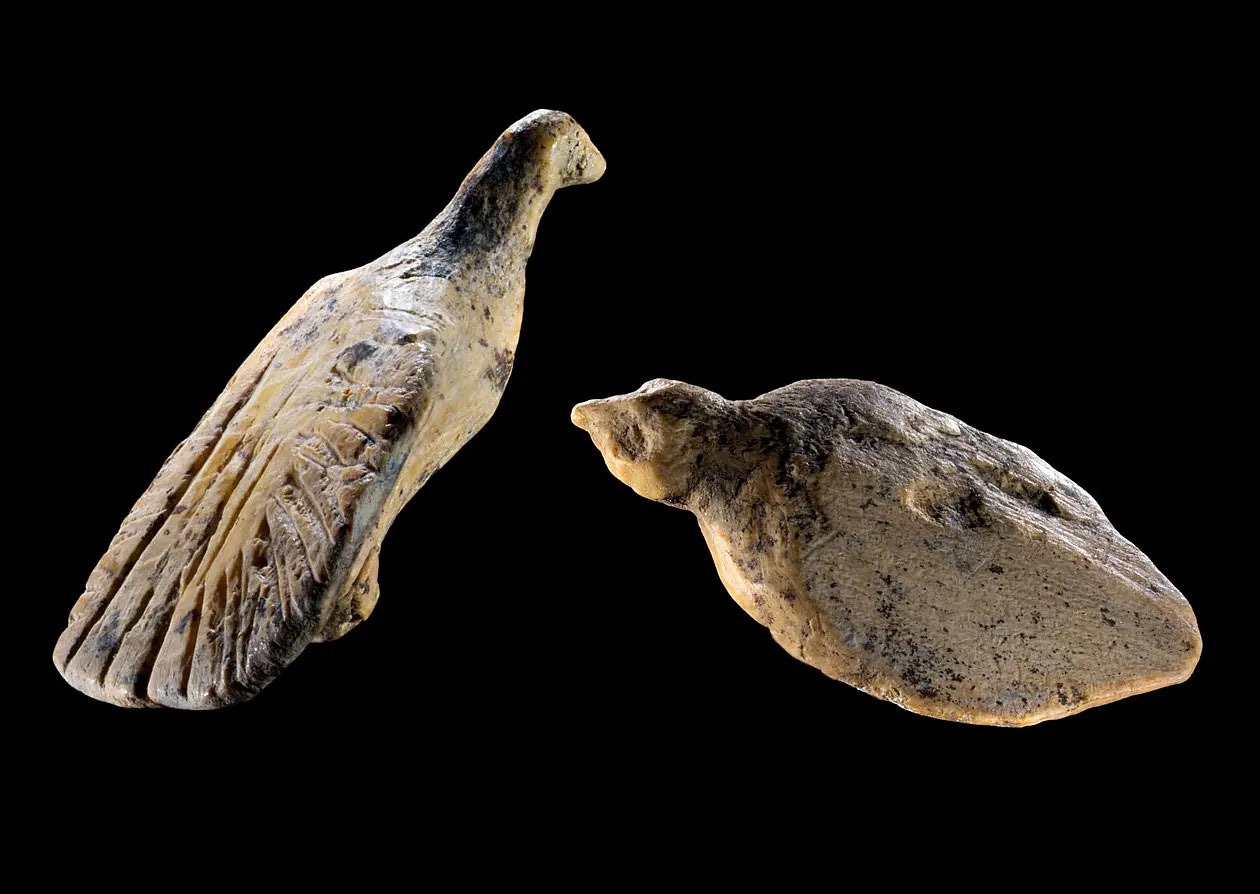
Two birds small enough to rest on a thumbnail have emerged from 40,000-year-old layers inside Hohle Fels Cave. Carved from mammoth ivory, the figurines rank as the smallest examples yet found from the Ice Age, but each preserves fine details of posture and anatomy.
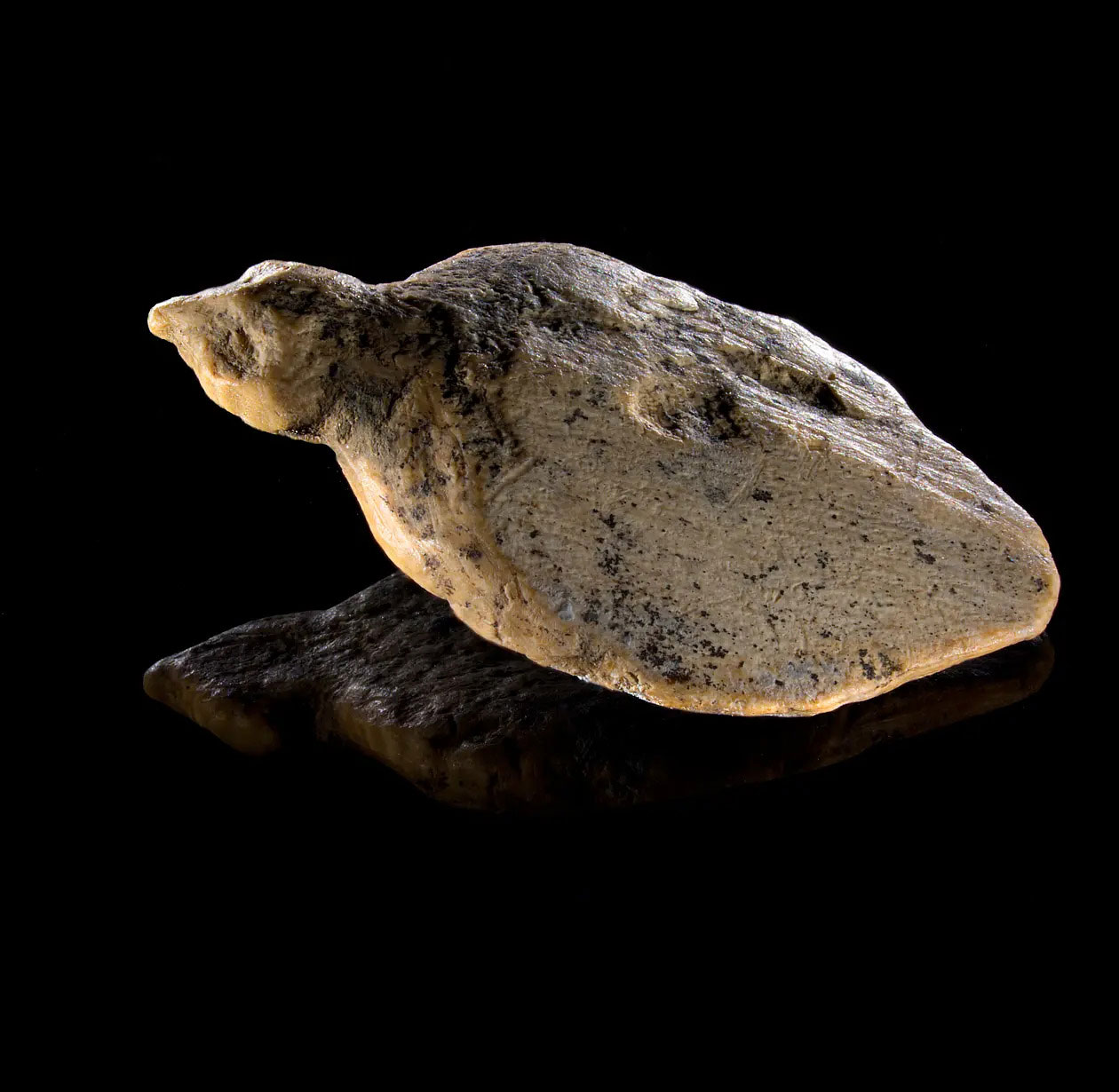
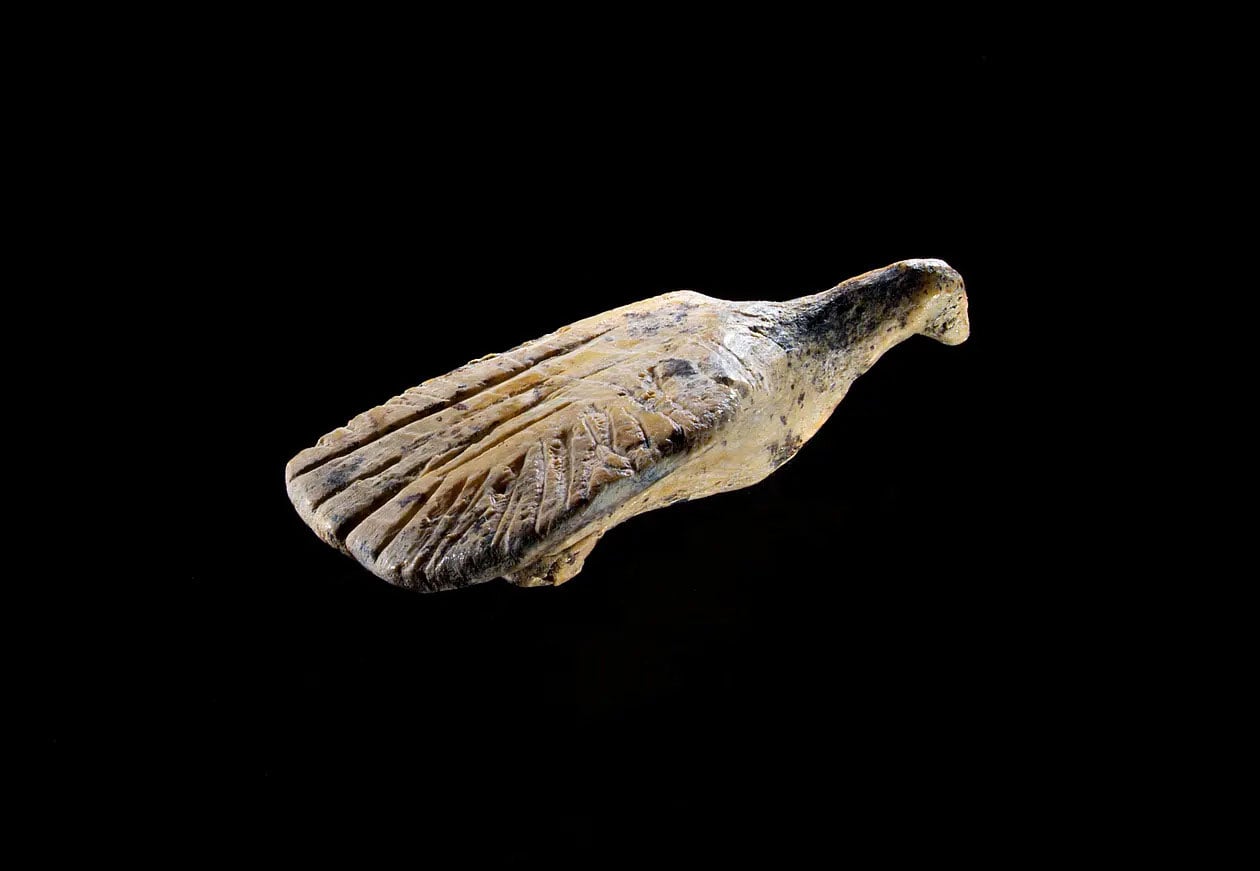
The discoveries came from Aurignacian deposits in the Swabian Jura of southwestern Germany, a UNESCO World Heritage area that has yielded some of the oldest known figurative art. The carvings date to the period when modern humans first reached the Upper Danube region. One complete figure may represent a bird brooding on the ground, while the incomplete second figure spreads its wings as though flying or landing.
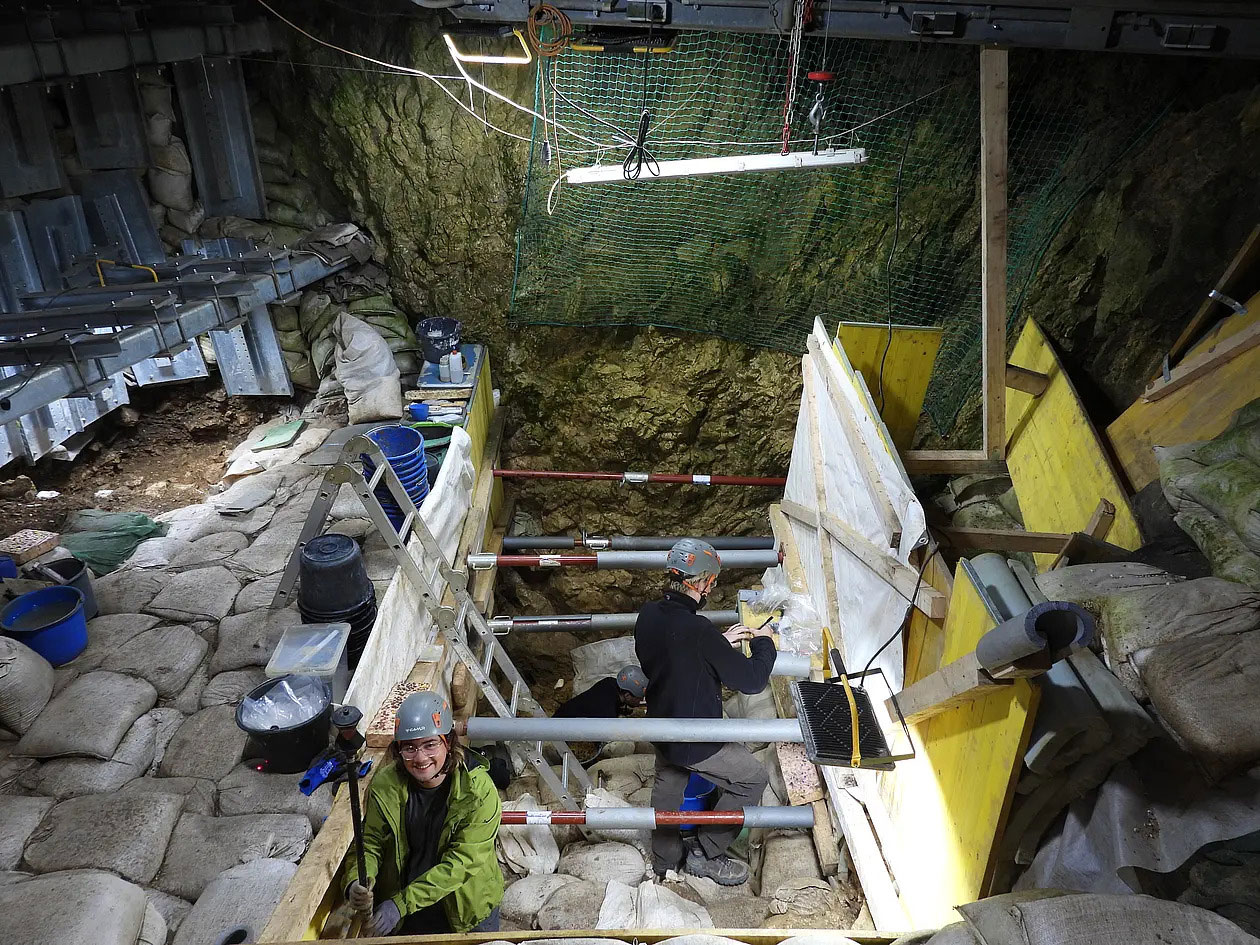
University of Tübingen archaeologists recovered both objects in 2025 from the same archaeological layer, approximately 1.5 meters apart. Their similar ages and proximity raise the possibility that one person made them. “The figurines demonstrate that the earliest artists were skilled ivory-carvers, who could depict delicate motifs in miniature form. Additionally, it seems that specific depictions are associated with specific sites,” says the director of excavations from the University of Tübingen, Professor Nicholas Conard.
Tiny carvings preserve remarkable detail
Each bird measures approximately 2 by 1 by 0.5 centimeters, compared with the 3 to 9 centimeter range typical of other figurines from the period. The resting bird has prominent eyes, while the figure with extended wings carries a distinct beak and incised markings that represent feathers.
“The carvings are not highly stylized but instead include many specific and unique features,” says Conard. “Here the artist has recorded detailed observations that allow us to consider which kind of bird is represented and what the bird could be doing.”
Many early ivory animals from the Swabian Jura caves appear static but tense. These two figures instead capture recognizable behaviors. One seems to lie against the ground and may be brooding over eggs. The other could be flying, preparing to land, or displaying during courtship.
As with much Ice Age art, neither the action nor the species can be identified with certainty. The brooding figure resembles a ptarmigan, a bird well represented among the animal remains from Hohle Fels. The winged carving might also depict a ptarmigan, but a grouse or bird of prey remains possible.
Bird imagery may define one site
“The figurines in their present state weigh only 1.3 and 0.7 grams and are the smallest and finest depictions from this period 40,00-years-ago,” notes Conard, the scientific director of the Museum of Prehistory and Ice Age Art (urmu), “but despite their size, they raise many new questions.”
Their purpose for the people who occupied Hohle Fels remains unknown. The tiny sculptures may have served as personal talismans or represented the identity of the individual who carved or carried them.
Hohle Fels has now produced three carefully made bird carvings, while no other location in the region has yielded even one. Other animals appear much more frequently in Swabian Jura art. Mammoths and lions dominate, followed by smaller numbers of bears, horses, fish, and bison.
Conard argues that “Each of the four World Heritage sites that have yielded figurative art is unique and documents a link between the site, its specific geographic and social context.”
The finds return to public view
The birds will be displayed at the Museum of Prehistory and Ice Age Art in Blaubeuren (urmu) as part of a special exhibition running through April 4, 2027, titled Feather Light, Research Heavy: Discover the Miniature Birds in Ice Age Art.
“Our region and landscape have always been the home of a vast range of birds, and nearby Lake Schmiechen is today a bird sanctuary,” says Stefanie Kölbl, the managing director of urmu. “Even 40,000 years ago, birds were here. Their song filled the air, and some species came to the region in the course of annual migrations. Their calls signaled warnings, and the residents of the region often used their hollow bones and even mammoth ivory to make flutes that produced magical sounds.”
The Urmu stands among the caves designated as UNESCO World Heritage Sites in 2017 under the title “Caves and Ice Age Art of the Swabian Jura.” Founded more than 60 years ago as a University of Tübingen research museum, it displays renowned Paleolithic objects from southwestern Germany, including figurative artworks and musical instruments dating back approximately 40,000 years. Its collection also includes the Venus of Hohle Fels.
Never miss a breakthrough: Join the SciTechDaily newsletter.
Follow us on Google and Google News.