
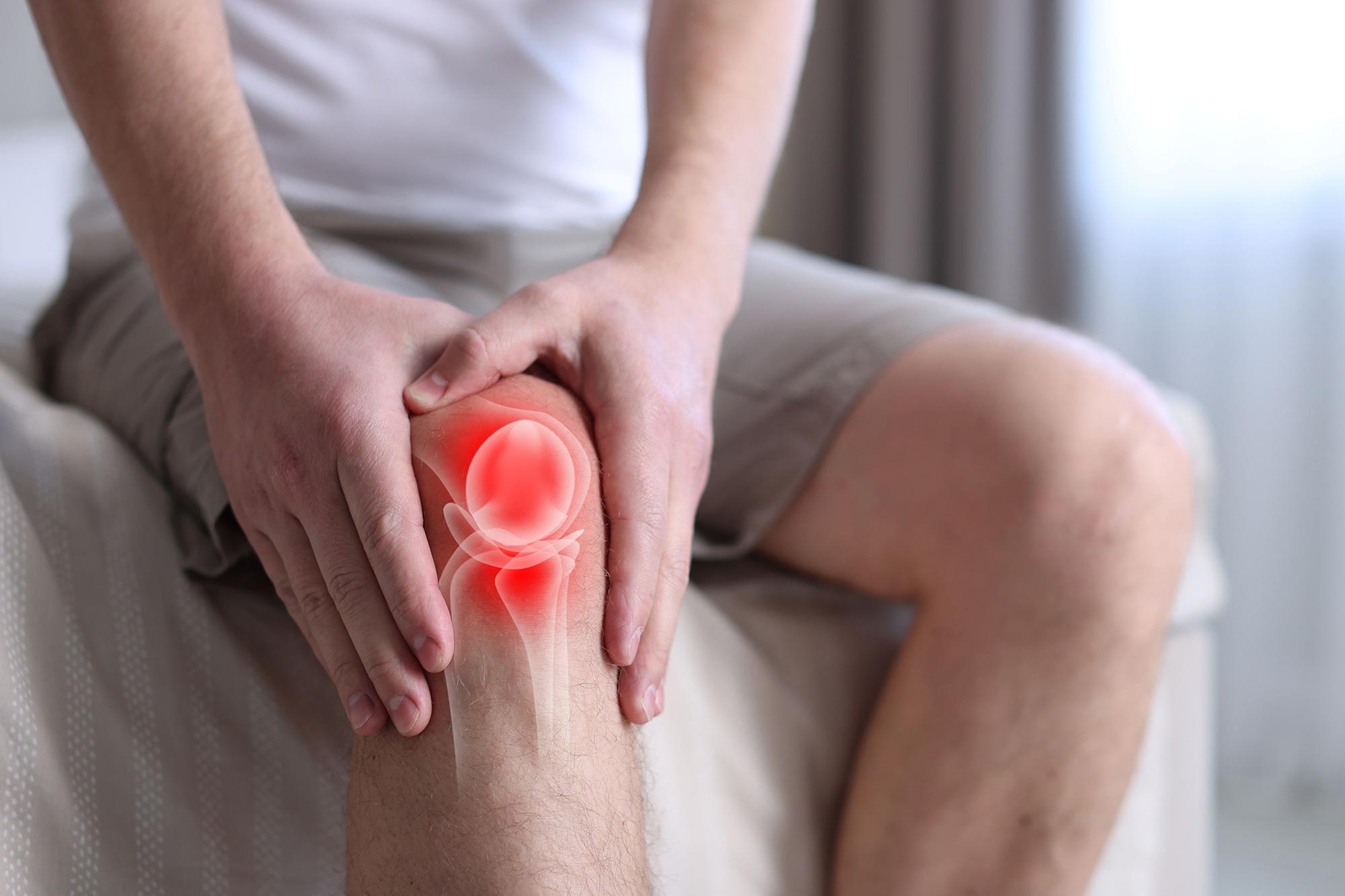
Recovering from ACL reconstruction doesn’t always mean the end of knee problems, with many young adults facing persistent pain and an increased risk of early-onset osteoarthritis.
ACL reconstruction does not always restore long-term knee health. About half of patients remain dissatisfied with their knees two years after surgery, and roughly half develop early-onset osteoarthritis within a decade. New research from La Trobe University suggests that targeted exercise and education can help young adults manage persistent knee problems without worsening cartilage damage.
The findings come from the SUPER-Knee clinical trial, which involved 184 adults ages 18 to 40 who continued experiencing knee problems one to three years after ACL reconstruction. Researchers compared a four-month progressive exercise program supervised by physiotherapists with a single education session. Participants following the exercise program experienced improvements in pain, quality of life, and muscle strength, with no detected deterioration in knee cartilage or early osteoarthritis.
Challenging Long-Held Concerns About Exercise and Knee Damage
Although clinical guidelines recommend exercise-based rehabilitation and education after ACL surgery, many patients do not receive care that follows these recommendations. Concerns that exercise could damage knee cartilage also persist among patients and healthcare professionals.
The SUPER-Knee trial, published in the Annals of Internal Medicine, was the first to investigate this approach more than nine months after ACL reconstruction, a point when patients are generally expected to have recovered but often still experience difficulties.
“Currently we don’t have any high-quality evidence for what treatments should be offered to young people at risk of early-onset knee osteoarthritis. Our SUPER-Knee study changes this, and addresses a globally recognized research priority,” said lead researcher Associate Professor Adam Culvenor.
“Our study showed physiotherapist-supervised exercise therapy and education is safe and should be recommended to improve the knee health of young people at high risk of early-onset osteoarthritis following ACL reconstruction.”
Years of Pain After ACL Reconstruction
For Ruby Cumming, the challenges of recovery extended far beyond the sports field. She tore her ACL while playing Australian rules football in 2019, when she was 24, and underwent reconstructive surgery within six weeks. Despite regularly attending physiotherapy and performing rehabilitation exercises, she experienced daily pain for three to four years and never returned to football.
“I thought if I had the surgery and did the rehab I’d be able to get back to normal. After surgery impacted my entire life – not just footy – I changed my outlook and decided I wanted to avoid re-injuring my knee ever again so haven’t played contact sport since,” Ruby said.
“Experiencing regular pain, not being able to walk, getting public transport to work and living independently all became really challenging for me.”
Her symptoms improved after she enrolled in the SUPER-Knee program and began attending weekly supervised rehabilitation sessions. “When I joined the SUPER-Knee program and did weekly physio-supervised rehab, this improved my pain significantly,” Ruby said.
A Potential Shift in ACL Rehabilitation Guidelines
The researchers believe the findings could influence how clinicians treat younger patients who continue to experience knee problems long after reconstruction, particularly those at elevated risk of developing osteoarthritis.
“The evidence generated by the SUPER-Knee trial can be used to update international clinical practice guidelines for rehabilitation following ACL reconstruction and could be a lifeline for young people struggling after serious knee injuries.”
The program is also designed to be practical for routine clinical care rather than requiring specialized rehabilitation facilities. “The intervention is ready to be used by local health professionals with minimal specialized equipment or staff training.”
Although the trial demonstrated improvements in knee health without detected cartilage deterioration during the study, whether the intervention prevents osteoarthritis over the longer term remains to be established.
Reference: “Exercise Therapy and Education for Young Adults With Persistent Knee Problems After Anterior Cruciate Ligament Reconstruction” by Adam G. Culvenor, Andrea M. Bruder, Thomas J. West, Christian J. Barton, Ewa M. Roos, Edwin H. Oei, Steven M. McPhail, Richard B. Souza, Jusuk Lee, Brooke E. Patterson, Michael A. Girdwood, Jamon L. Couch, Mark J. Scholes and Kay M. Crossley, 28 September 2026, Annals of Internal Medicine.
DOI: 10.7326/ANNALS-26-02460
The SUPER-Knee trial was funded by a National Health and Medical Research Council (NHMRC) of Australia Project Grant.
Never miss a breakthrough: Join the SciTechDaily newsletter.
Follow us on Google and Google News.