
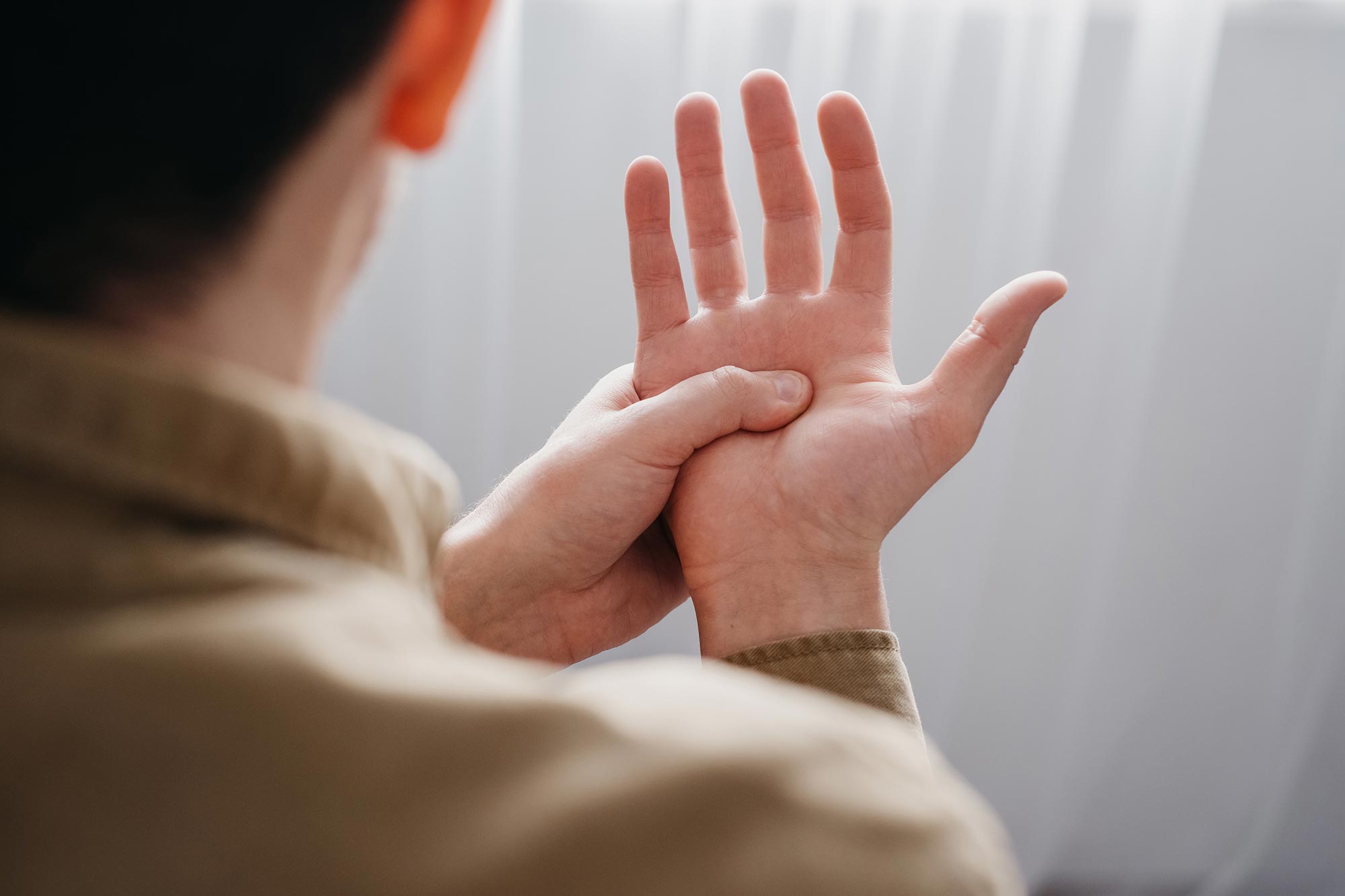
Exercise may offer benefits for Parkinson’s disease that extend far beyond physical movement.
Exercise may benefit people with Parkinson’s disease in ways that go far beyond building strength and improving mobility. A review of 129 studies suggests that contracting muscles release chemical messengers capable of influencing brain health, potentially helping vulnerable nerve cells resist damage.
The research highlights how regular physical activity can improve movement, balance, mood, and cognitive function while reducing falls and disability. Scientists are also investigating whether the biological changes triggered by exercise could help slow aspects of the disease itself.
How Exercising Muscles Communicate With the Brain
“Muscles do much more than move our body. They can act like an endocrine organ, producing hormone-like chemical messengers called ‘exerkines,’ which are released during exercise—just like the pancreas produces insulin or the thyroid gland produces thyroid hormones,” explains Dr. Miguel Germán Borda.
When muscles contract, they release signaling molecules known as exerkines that can travel through the bloodstream and influence organs throughout the body, including the brain, heart, liver, and immune system. Among the molecules examined in the review were brain-derived neurotrophic factor (BDNF), insulin-like growth factor-1 (IGF-1), irisin, cathepsin B, myostatin, and growth/differentiation factor 15 (GDF15). These substances have different biological functions, and researchers are working to understand their individual contributions to brain health.
“So, the next question became, how do exerkines protect the brain?” says Dr. Salomón Páez-García. “We found that the exerkines act as a medium for the crosstalk between the muscle and the brain. Though the brain controls muscles, exercising muscles send beneficial signals back to the brain through exerkines,” he further explains.
How Exercise May Protect Vulnerable Brain Cells
Parkinson’s disease (PD) is a progressive neurological disorder characterized by the loss of dopamine-producing neurons, particularly in a brain region called the substantia nigra. This degeneration contributes to movement difficulties, while the disease can also affect thinking, mood, sleep, and other functions. With populations aging worldwide, Parkinson’s represents an increasing public health challenge.
The reviewed research suggests that certain exercise-related signaling molecules may reduce inflammation and oxidative stress, support mitochondrial function, and promote neuroplasticity, the brain’s ability to adapt and form new connections. Experimental findings indicate that these effects can help dopamine-producing neurons withstand cellular stress and damage. However, further clinical research is needed to establish whether these mechanisms meaningfully slow neurodegeneration in people with Parkinson’s.
Why Muscle Strength Matters in Parkinson’s Disease
Muscle health becomes increasingly important as Parkinson’s progresses. Sarcopenia, the gradual age-related loss of muscle mass, strength, and physical function, can contribute to frailty and disability. In people with Parkinson’s, it may also be associated with more frequent falls, greater cognitive impairment, poorer outcomes, and reduced quality of life.
The review identified benefits across several types of physical activity. Aerobic exercise, including walking and jogging, supports cardiovascular fitness, while resistance training, such as weightlifting and squats, builds muscle strength. Balance exercises, including Tai Chi and standing on one leg, improve stability. Programs combining these approaches can address multiple physical challenges simultaneously. Current Parkinson’s care guidelines recommend beginning exercise early, maintaining regular activity, and adjusting exercise programs to individual abilities as the disease progresses.
What 129 Studies Reveal About Exercise and Parkinson’s
“Muscle is a biologically active tissue that has the potential to influence neural function. Building on this, we collected experimental, observational, and interventional data that evaluated the interplay between muscle status and exercise in PD,” says Dr. Salomón Páez-García, the study’s first author.
Although exercise is already an established component of Parkinson’s management, its potential neuroprotective effects remain under investigation. Researchers still need to determine which exercise types, intensities, and durations produce the greatest long-term benefits, as well as which exerkines are most responsible for the observed biological effects.
Reference: “Exercise, exerkines, and muscle–brain crosstalk in Parkinson’s disease” by Salomón Páez-García, Edgar Alvarado, Alejandro Cuevas, Laura Valverde, Eduardo Salinas, Kevin O’Hara-Veintimilla, María Cruz Rodríguez-Oroz and Miguel Germán Borda, 25 February 2026, Neuroprotection.
DOI: 10.1002/nep3.70032
Never miss a breakthrough: Join the SciTechDaily newsletter.
Follow us on Google and Google News.