
Prehistoric discoveries in Israel raise the possibility that keeping meaningful objects helped early humans distinguish personal memories from stories and gradually develop a sense of identity.
A stone picked up during a hike or a seashell brought home from the beach might seem ordinary to everyone else. Yet years later, that small object can bring back memories of where you were, who you were with, and what made the experience special. It’s a familiar human habit, and researchers now believe its origins may reach back nearly half a million years.
A new study from Tel Aviv University suggests that early humans may have collected and kept objects for much the same reason we do today. The researchers propose that these prehistoric keepsakes could have helped shape our ability to remember personal experiences and develop a sense of who we are.
Ancient tools kept for their stories
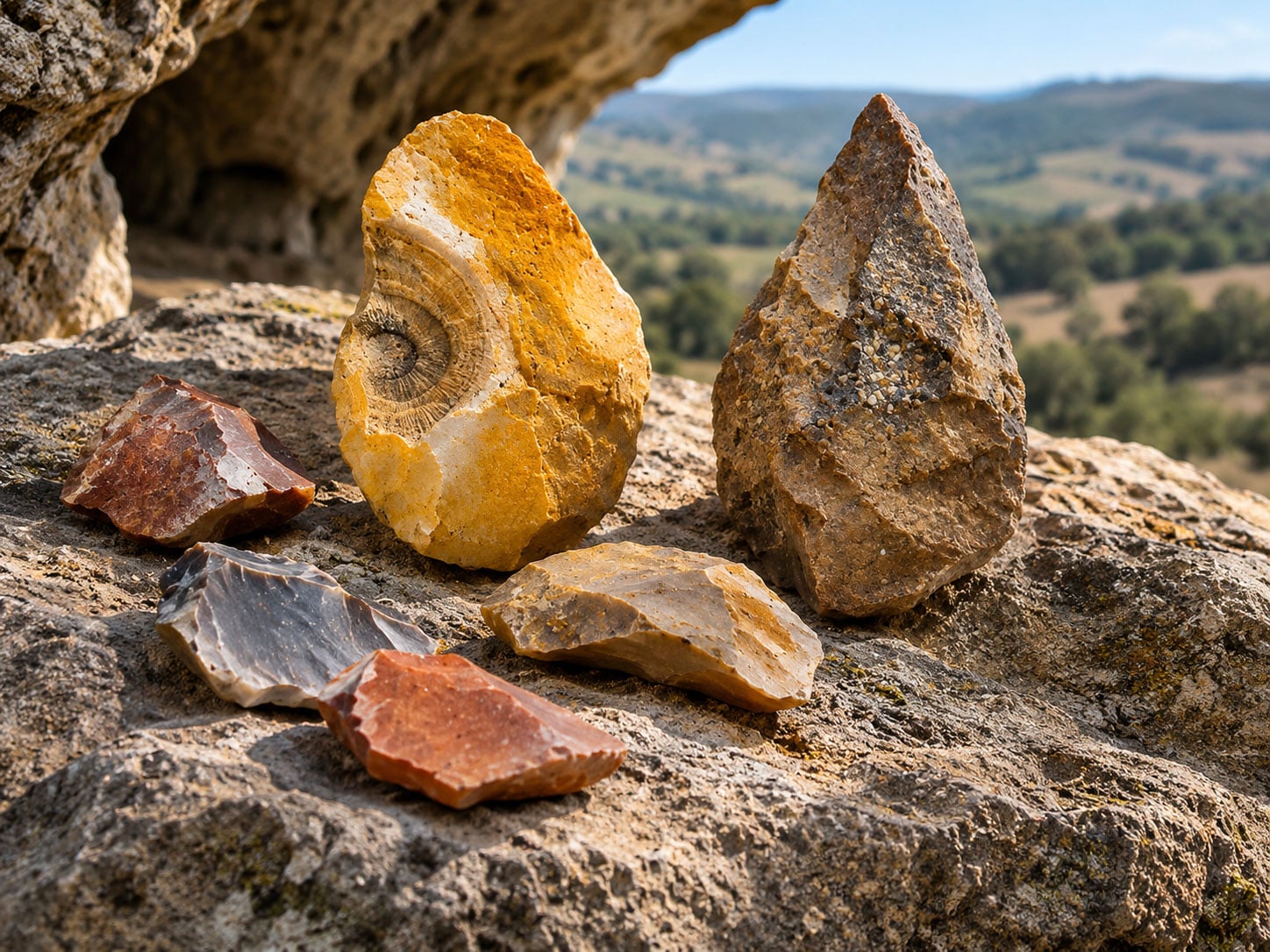
The idea emerged from archaeological discoveries at several prehistoric sites in Israel, where researchers found colorful stones, unusual handaxes, and much older tools that appeared to have been collected despite offering no obvious practical benefit.
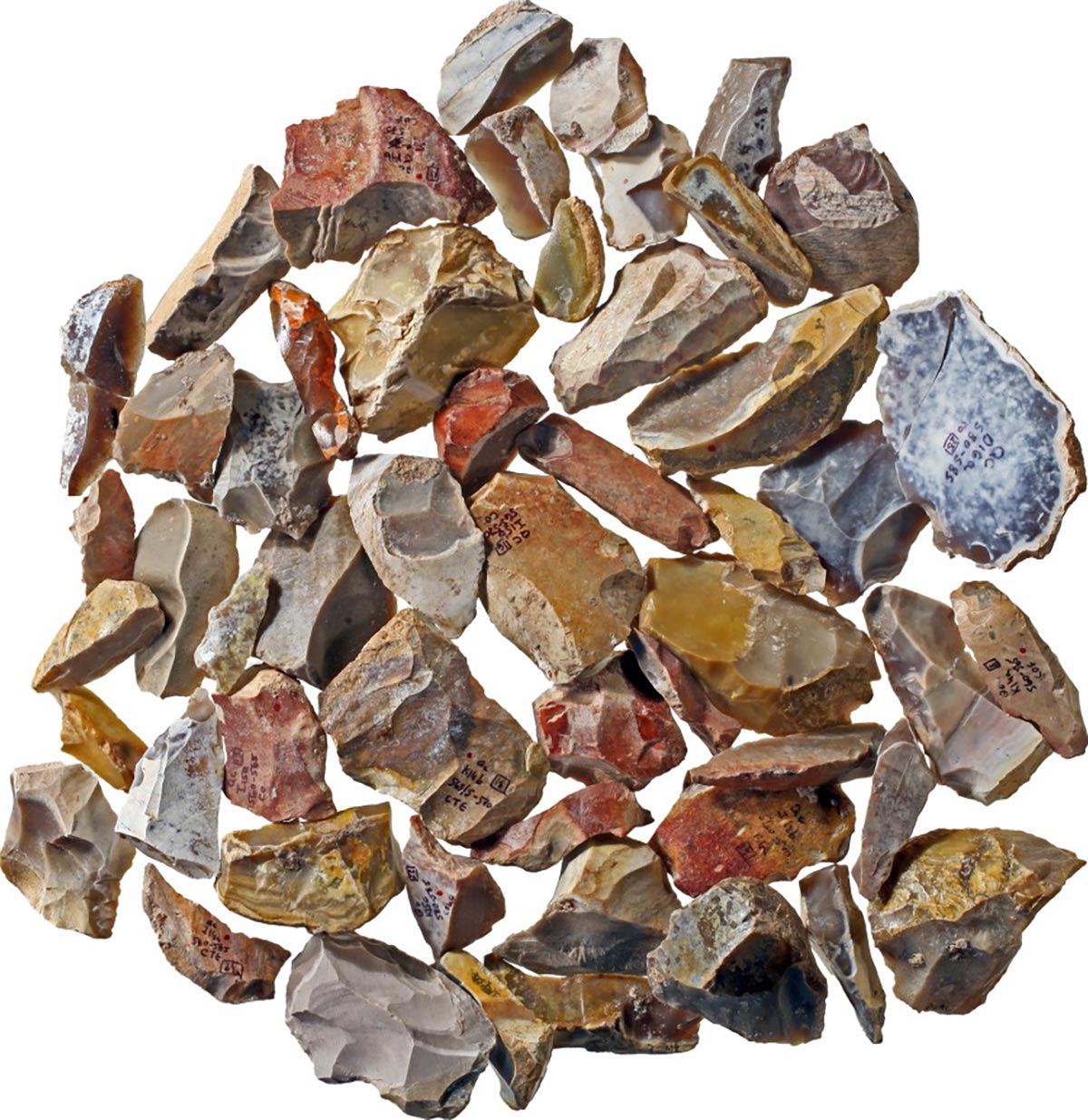
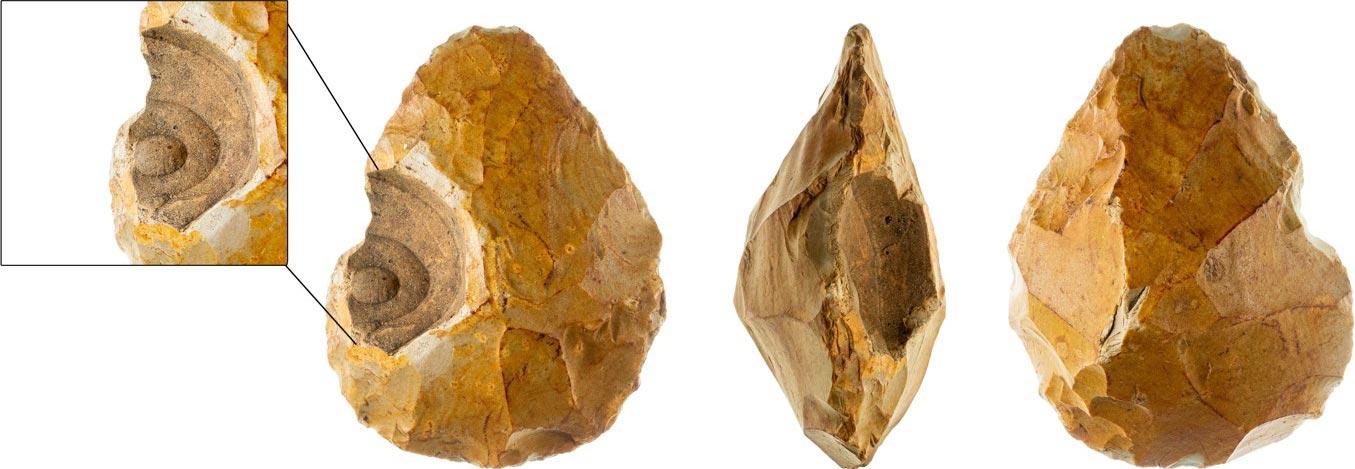
At Qesem Cave, for example, small, colorful pebbles had been brought in from different locations. In the Sakhnin Valley, handaxes were made from flint containing fossils or unusual geological patterns. Some were carefully shaped so that these distinctive features remained at the center, where they could be seen and touched.

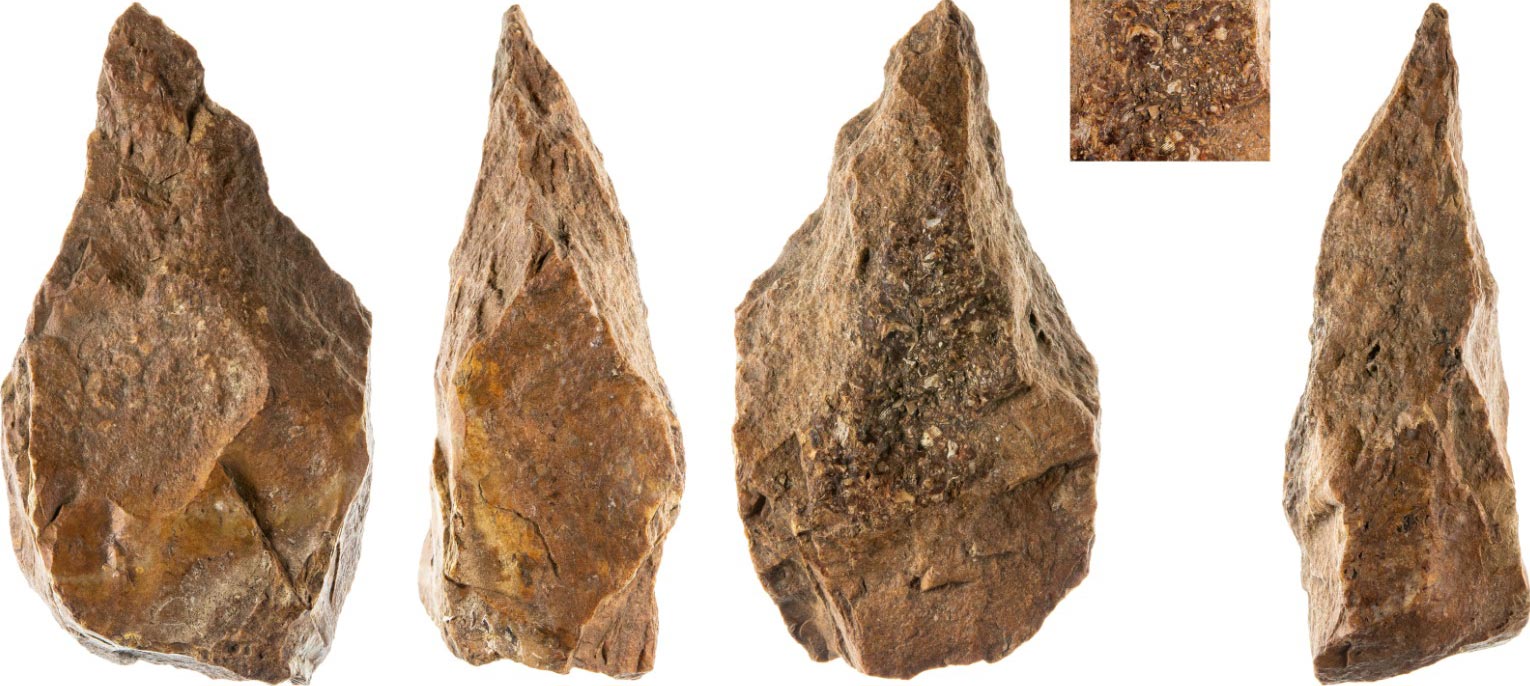
Other discoveries offer an intriguing connection to the past. At Revadim, Jaljulia, and Qesem Cave, researchers identified older flint tools that had apparently been collected after their surfaces had changed with age. Although some were resharpened, much of their original surfaces and evidence of earlier workmanship remained intact.
Why would someone keep an old tool when they could make a new one? The researchers suggest that its age and appearance may have been part of its appeal. Just as an old family heirloom can carry meaning beyond its usefulness, these objects might have been valued for the experiences or histories associated with them.
Dr. Yoav Ram of Tel Aviv University’s School of Zoology explains the possibility:
“When early humans brought a colorful stone or an old tool they had found in the landscape back to their cave, that object may have helped them remember a significant event or encounter for the rest of their lives. In this way, keepsakes may have become a kind of ‘external memory device,’ supporting the evolution of brain mechanisms responsible for autobiographical memory, which is so characteristic of us as humans and so important in shaping our identity.”
There may be a deeper psychological reason why such objects mattered. Our minds do not simply store experiences. They must also distinguish between things we personally experienced, stories we heard from others, and events we imagined.
The researchers propose that seeing or touching a familiar object could have helped early humans make those distinctions. A stone collected from a particular location, for instance, might have brought back a personal memory of being there.

That ability could have mattered well beyond individual recollection. Remembering encounters, alliances, gifts, mutual obligations, and rights connected to particular places helps people maintain relationships and cooperate. A keepsake could also be carried elsewhere and shown to others, potentially making a personal account more convincing and helping establish trust.
New hunting grounds, new reasons to remember
The researchers believe this behavior may have become especially useful as early humans faced changes in their environment.
Prof. Ran Barkai offers one possible explanation:
“The disappearance of large animals, particularly elephants, required early humans to develop new hunting methods and become familiar with hunting grounds inhabited by animals such as fallow deer and wild cattle. Objects taken from these places may have helped them maintain a personal connection with the places that would henceforth provide their livelihood.”
Over many generations, the researchers suggest, keeping meaningful objects may have placed evolutionary pressure on the brain systems involved in identifying where memories come from and how reliable they are.
In this proposed scenario, objects and memory evolved together. As people increasingly used physical reminders of their experiences, the brain mechanisms supporting personal memory may have become more sophisticated.
That process could have contributed to the development of autobiographical memory, our ability to connect individual experiences into a continuing story of our lives. It is an important part of how we understand our identities and our relationships with others.
What ancient stones cannot prove
The researchers emphasize that their interpretation remains a hypothesis. An unusual stone or carefully preserved tool does not necessarily prove that its owner associated it with a personal memory. The archaeological evidence cannot reveal exactly what someone was thinking hundreds of thousands of years ago.
However, the findings suggest that the habit of keeping meaningful objects may date back roughly 500,000 years, long before written records or photographs.
And if the researchers’ interpretation is correct, the simple act of keeping a stone from a memorable place may once have played a role in the evolution of how humans remember their lives.
Reference: “Homo Memorabiliaxis: Souvenirs and the Evolution of Autobiographical Memory and Self” by Ran Barkai, Ella Assaf, Bar Efrati, Tal Simon, Liad Mudrik and Yoav Ram, 19 October 2026, Evolutionary Anthropology: Issues, News, and Reviews.
DOI: 10.1002/evan.70051
Never miss a breakthrough: Join the SciTechDaily newsletter.
Follow us on Google and Google News.