
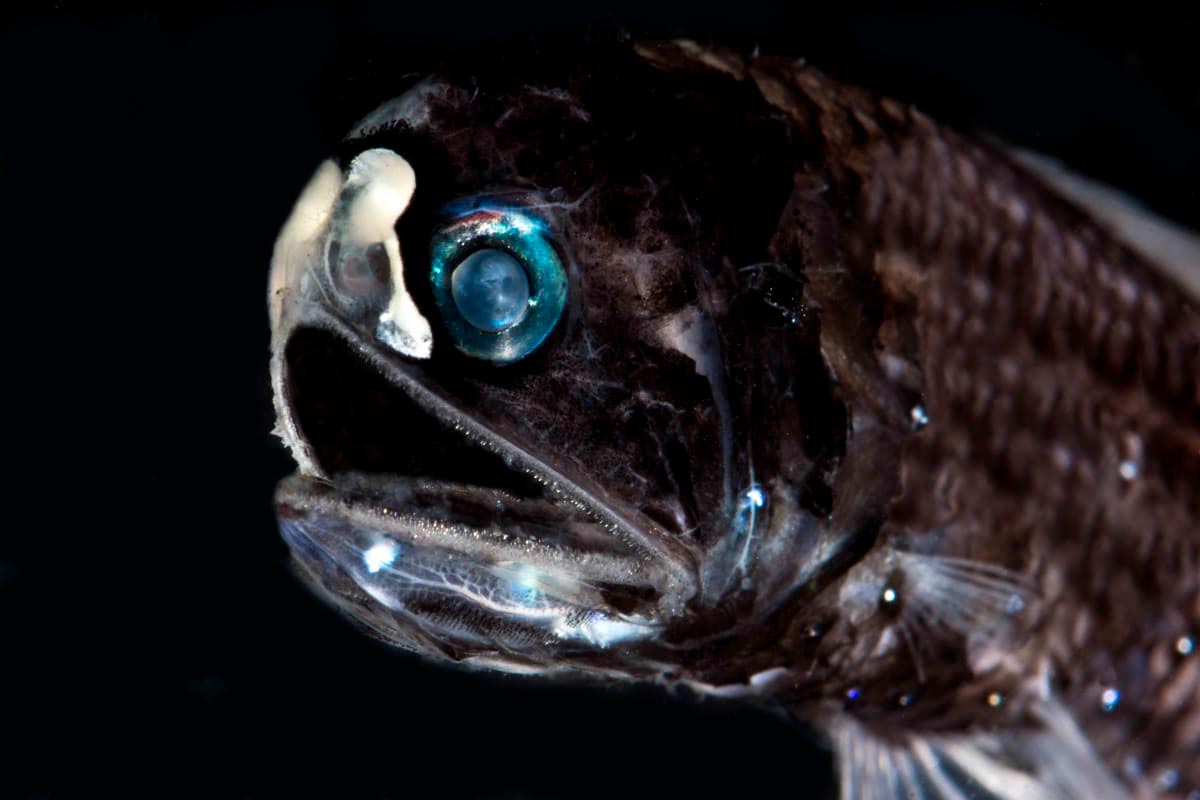
A changing ocean presents threats that population counts alone may not reveal, and genetic evidence from the Gulf suggests some deep-sea species are already vulnerable.
The deep ocean may no longer be the safe haven scientists once believed it was. Hundreds of meters beneath the Gulf’s surface, fish and shrimp are showing genetic warning signs linked to extinction risk, raising concerns that the global biodiversity crisis could threaten even some of the ocean’s most remote inhabitants.
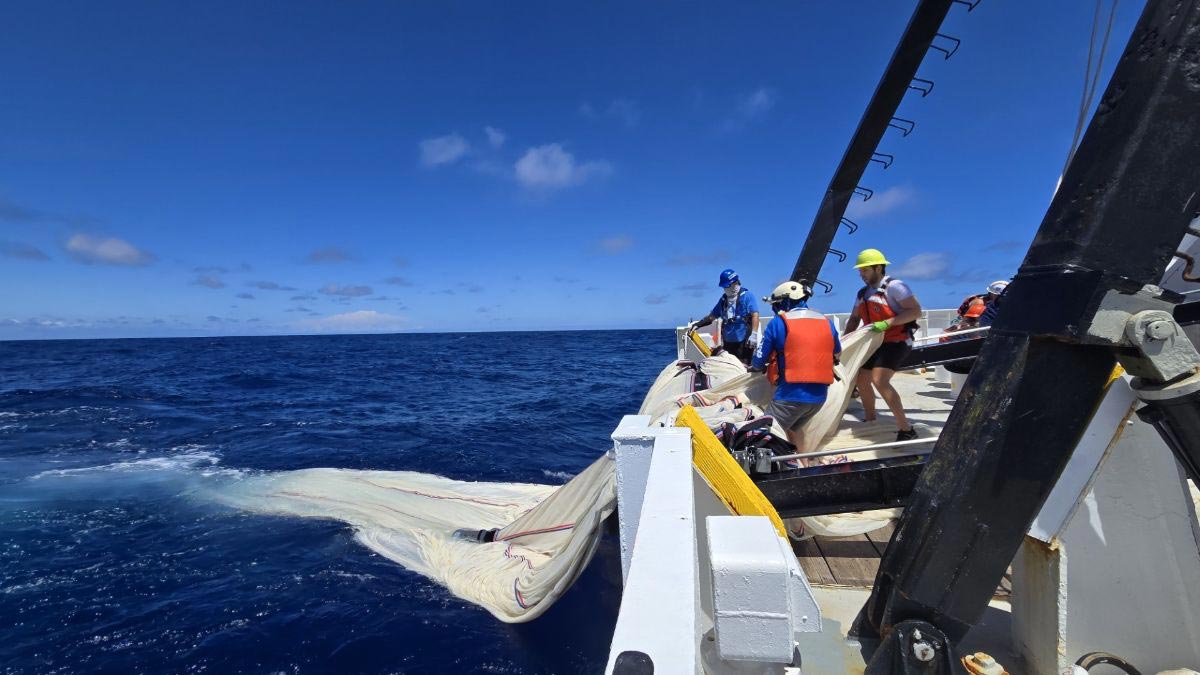
A new study led by researchers at Florida International University (FIU) found evidence that five deep-sea species may be less resilient to environmental change than previously assumed. Led by FIU marine scientist Pedro A. Peres of the Bracken-Grissom Lab, the research examined three species of lanternfish and two species of deep-sea shrimp collected between 2011 and 2023.
The team analyzed genetic information from 486 specimens to investigate how these populations had changed and whether they could withstand future environmental pressures. According to Peres, the investigation is among only a handful of studies to track changes in the DNA of deep-sea animals over time.
Five species show signs of genetic vulnerability
All five species showed genetic warning signs associated with increased extinction risk. One lanternfish species, Diaphus dumerilii, had lost approximately 8% of its genetic diversity over just 12 years. That decline was comparable to, or greater than, losses recorded in some threatened and endangered animals over considerably longer periods.
The researchers also discovered that all five species had relatively small effective population sizes. This measure does not necessarily reflect how many animals are alive. Instead, it describes how many individuals effectively contribute their genes to future generations. A species can therefore have a large population while relying on a much smaller group to maintain its genetic diversity.
“This challenges the idea that deep-sea species are naturally more resilient because they occupy such vast environments,” Peres said. “It shows how much we can miss when we look only at population abundance without considering their genetic diversity and long-term viability.”
Genetic diversity helps explain why these findings matter. When individuals within a species carry different genetic traits, their population has more opportunities to adapt as conditions change. Losing that variation can make it harder to survive disease, environmental disturbances, and other threats.
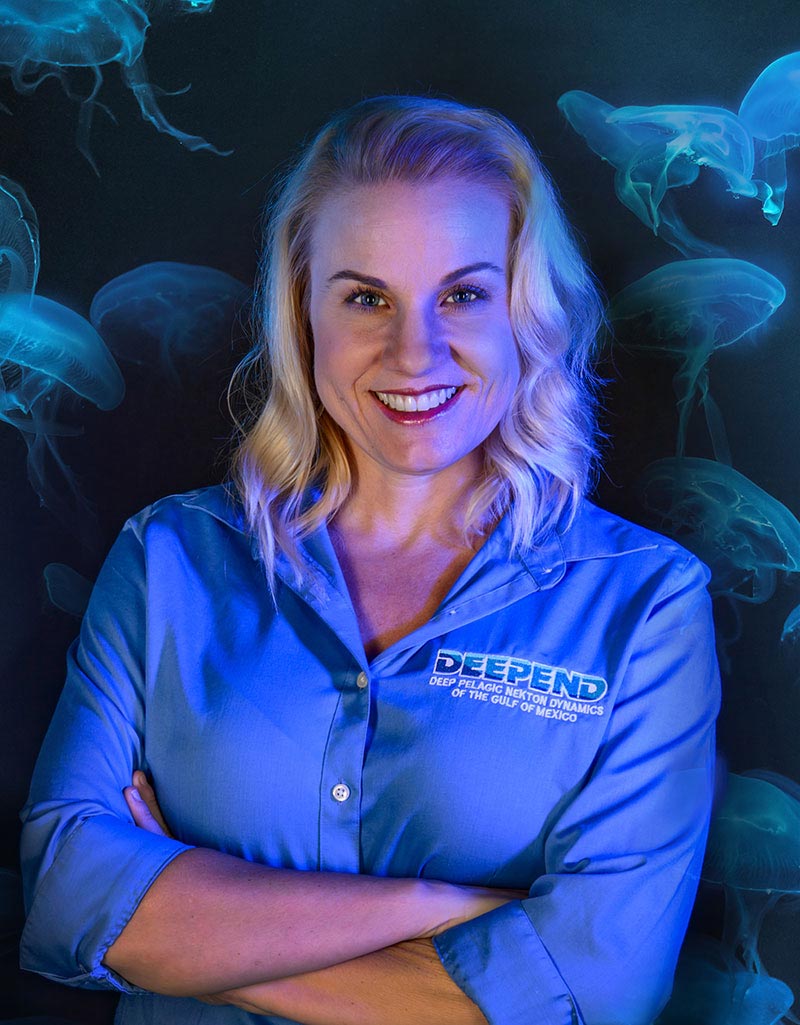
Heather Bracken-Grissom, assistant director of the Institute of Environment’s Coastlines and Oceans Division, has spearheaded research into the genetic diversity and resilience of deep-sea species. As a co-author of the new study, she emphasized the consequences of losing that diversity.
“Genetic diversity provides the variation populations need to adapt to changing conditions, resist disease and recover from environmental disturbances,” she said. “When that diversity disappears, a species can also lose the ability to withstand future threats.”
Suitable habitats could shrink by 70%
The genetic findings are especially concerning when considered alongside predictions about the Gulf’s future. Using climate models, the researchers estimated how suitable deep-sea habitats could become for these species by 2050 and 2100. Their projections indicated that four of the five species could experience substantial reductions in suitable habitat, potentially losing as much as 70%.
Such losses could place additional pressure on populations already showing signs of limited genetic resilience. The possibility challenges a longstanding assumption that deep-sea animals are naturally protected by their extensive habitats and broad geographic distributions.
The findings also raise questions about the lasting consequences of the 2010 Deepwater Horizon oil spill. Earlier research documented substantial declines in deep-sea animal populations following the disaster, although the precise relationship between that event and the genetic patterns identified in the new study remains uncertain.
The researchers did not establish that the oil spill caused the genetic changes they observed. Their results instead suggest that some populations may have been vulnerable even before the disaster, potentially making environmental disturbances more consequential.
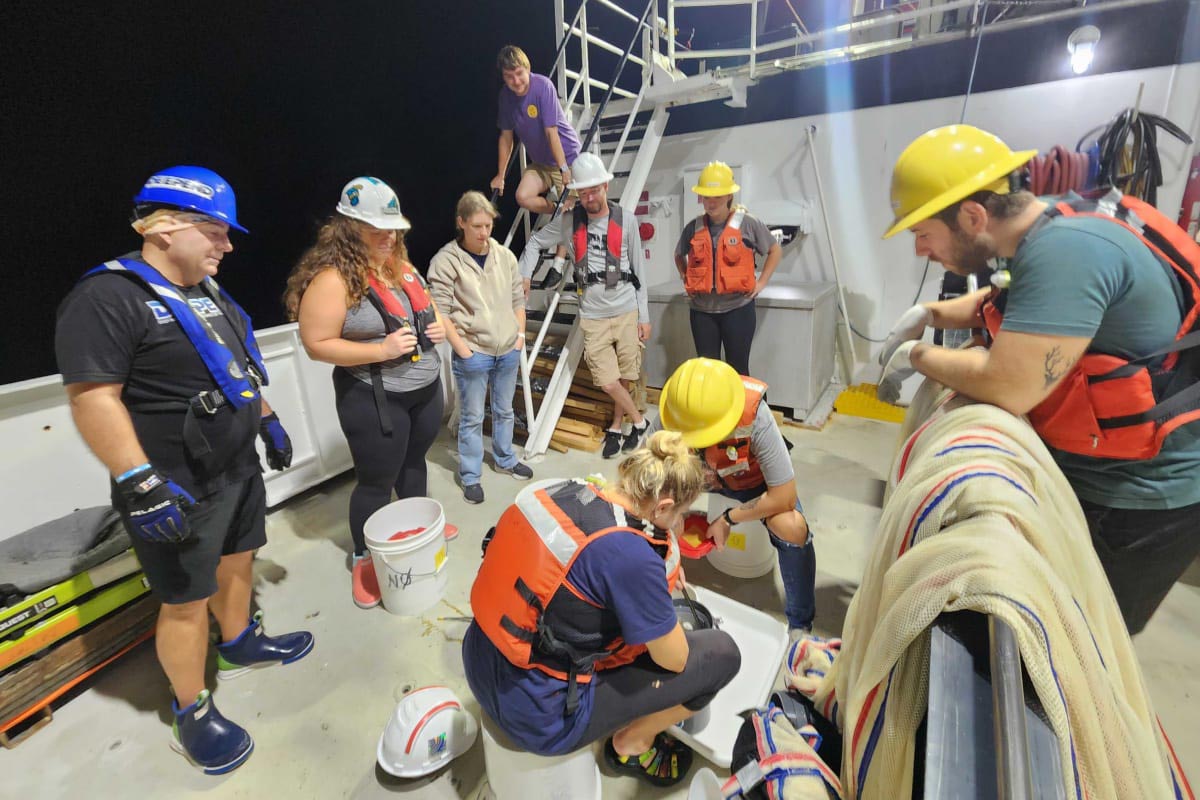
“Our results suggest some deep-sea populations may have already been genetically vulnerable before the Deepwater Horizon oil spill,” Peres said. “This has important implications for understanding the consequences of environmental disturbances. Events such as oil spills may affect populations that already have limited genetic resilience.”
Population counts can miss hidden risks
The study, which also included FIU researcher Keith Sellers and Tracey T. Sutton of Nova Southeastern University, points to a gap in how scientists assess the health of marine ecosystems. Traditional surveys can reveal changes in population numbers, yet they may overlook genetic vulnerabilities that affect whether those populations can survive over the long term.
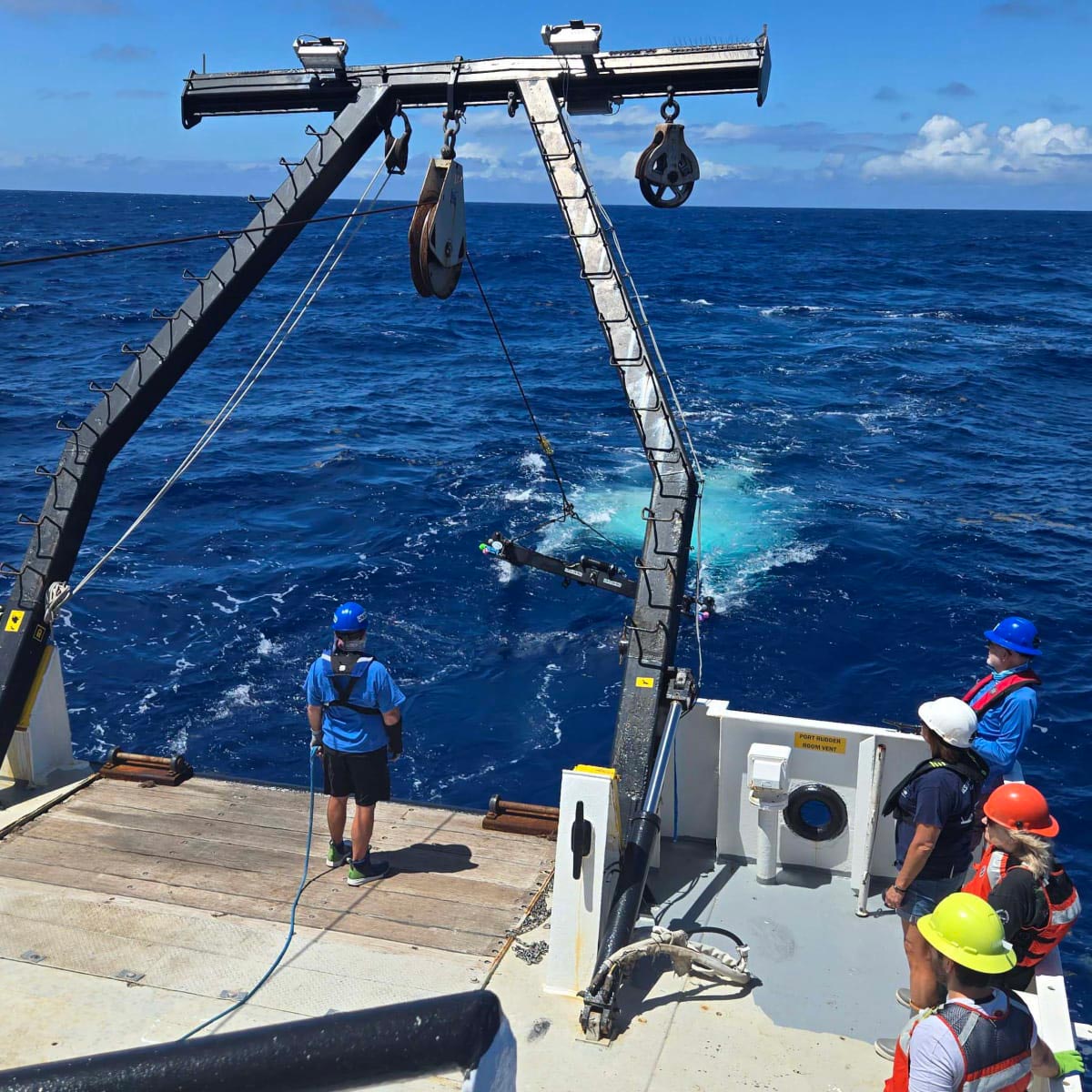
By examining DNA across multiple years, researchers can identify threats that might remain hidden in ordinary population counts. Peres believes this approach should become a greater priority as scientists work to understand the pressures facing deep-sea life.
“This study serves as a wake-up call for the scientific community,” Peres said, “highlighting the urgent need to integrate genetic monitoring into biodiversity assessments and emphasizing the importance of long-term monitoring to better understand and detect changes in marine populations over time.”
Reference: “Extinction risks in deep-sea populations revealed by genomic data and ecological niche modeling” by Pedro A. Peres, Keith Sellers, Tracey T. Sutton and Heather Bracken-Grissom, 12 November 2026, Nature Communications.
DOI: 10.1038/s41467-026-79098-0
This research was funded in part by a grant from the National Oceanic and Atmospheric Administration’s RESTORE Science Program (ROR – https://ror.org/0042xzm63) under awards NA19NOS4510193-T1-01 and NA24NOSX451C0002-T1-01 to Nova Southeastern University, in part by a grant from The Gulf of Mexico Research Initiative (GoMRI), and in part by the NOAA Office of Response and Restoration.
Never miss a breakthrough: Join the SciTechDaily newsletter.
Follow us on Google and Google News.