
Close Menu
    Facebook X (Twitter) Instagram
    SciTechDaily
    • Biology
    • Chemistry
    • Earth
    • Health
    • Physics
    • Science
    • Space
    • Technology
    Facebook X (Twitter) Pinterest YouTube RSS
    SciTechDaily
    Home»Science»Graphite Foam Could Harness Energy from Temperature Gradient in Oceans
    Science

    Graphite Foam Could Harness Energy from Temperature Gradient in Oceans

    By SciTechDailyFebruary 27, 2012No Comments2 Mins Read
    Facebook Twitter Pinterest Telegram LinkedIn WhatsApp Email Reddit
    Share
    Facebook Twitter LinkedIn Pinterest Telegram Email Reddit
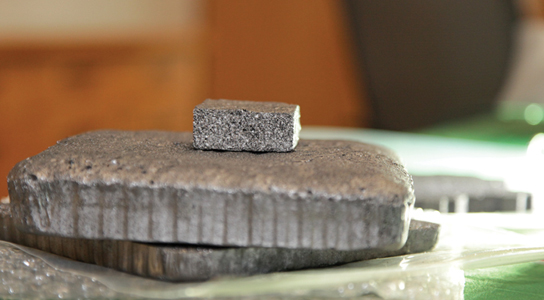
    graphite-foam
    Graphite Foam

    Researchers at the Oak Ridge National Laboratory (ORNL) think that they could use graphite foam to harness energy from the temperature gradient in tropical waters, where the difference between surface and bottom varies as much as 70 to 80 degrees.
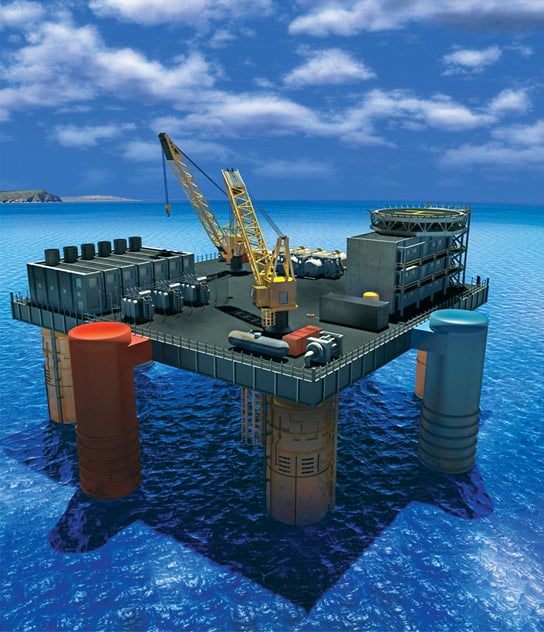
    tropical-water-heat-exchanger-station

    In the tropics, going down just a couple of thousand feet into the ocean yields a temperature differential of 30 to 40 degrees, which is enough to boil ammonia, drive turbines to produce power, and condense the ammonia to start the process over again. There is no need for any type of fuel. The water that has been cooled down has no ill effects on the oceans. These offshore power stations could potentially generate between 3 to five terawatts of power in tropical latitudes, which is more green energy than is produced by the entire USA.
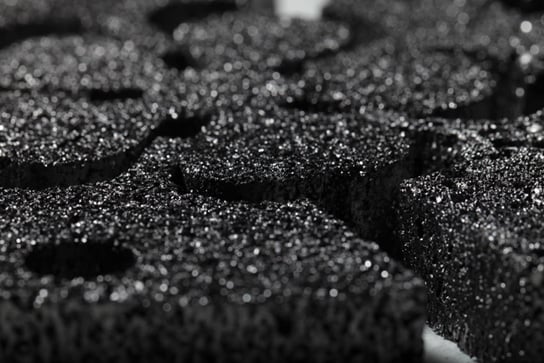
    close-up-graphite-foam

    The main component is an extremely efficient heat exchanger that ORNL thinks could be made out of graphite foam, which has a large surface area, and it’s a very efficient heat conductor. Using graphite foam could halve the cost or double the efficiency of any heat-based power source.

    ORNL plans to demonstrate this project in Hawaii sometime this spring. If it works, it could be a very efficient and green way of creating energy.

    Never miss a breakthrough: Join the SciTechDaily newsletter.
    Follow us on Google and Google News.

    Ammonia Energy Green Technology Materials Science Oak Ridge National Laboratory Oceanography Power Sea Sustainability
    Share. Facebook Twitter Pinterest LinkedIn Email Reddit

    Related Articles

    Global Cobalt Supply Chain at Risk of Sudden, System-Wide Collapse, Study Warns

    New Materials for a Sustainable Future

    Researchers Use Gelatin to Make Powerful New Hydrogen Fuel Catalyst

    Nanostructure Increases Solar-to-Hydrogen Conversion Efficiency by a Factor of Eleven

    MIT-Developed Technique Turns Emissions Into Fuel

    New Fabrication Method Improves Efficiency of Perovskite Solar Cells

    Transparent Luminescent Solar Concentrator Creates Solar Energy Without Blocking the View

    Researchers Pinpoint the Source of a Mysterious Magnetism

    Floating “Power Buoy” Creates Electricity from Ocean Waves

    Leave A Reply Cancel Reply

    • Facebook
    • Twitter
    • Pinterest
    • YouTube

    Don't Miss a Discovery

    Subscribe for the Latest in Science & Tech!

    Trending News

    These Toads Are Surviving a Deadly Fungus – Scientists May Finally Know Why

    These Brain Cells May Explain Why We Eventually Have To Sleep

    Tomatoes Contain an Invisible Ingredient With Surprising Effects on Liver Health

    World’s First Heat-Powered Cooling System Turns Waste Heat Into Cold

    Antarctica Gained a Record 695 Billion Tons of Ice in Just Two Years

    Don’t Miss: A Brilliant Venus and Glowing Harvest Moon Light Up the Sky

    New Twist on the Einstein Problem Reveals Unexpected Physics

    JWST Captures Stunning Evidence of How Supermassive Black Holes Feed

    Follow SciTechDaily
    • Facebook
    • Twitter
    • YouTube
    • Pinterest
    • Newsletter
    • RSS
    SciTech News
    • Biology News
    • Chemistry News
    • Earth News
    • Health News
    • Physics News
    • Science News
    • Space News
    • Technology News
    Recent Posts
    • This Tiny Organism Contracts 200 Times Faster Than You Can Blink – Scientists Finally Know How
    • Captive Crocodiles Released Into the Wild Did Something Researchers Didn’t Expect
    • A Massive 29-Square-Mile Iceberg Hit an Island and Kept Going
    • Nearly Destroyed DNA Reveals Two Extinct Giant Tortoise Lineages
    • New Mexico’s Largest Reservoir Was Nearly Full. Now It’s at 1.4%
    Copyright © 1998 - 2026 SciTechDaily. All Rights Reserved.
    • Science News
    • About
    • Contact
    • Editorial Board
    • Privacy Policy
    • Terms of Use

    Type above and press Enter to search. Press Esc to cancel.