
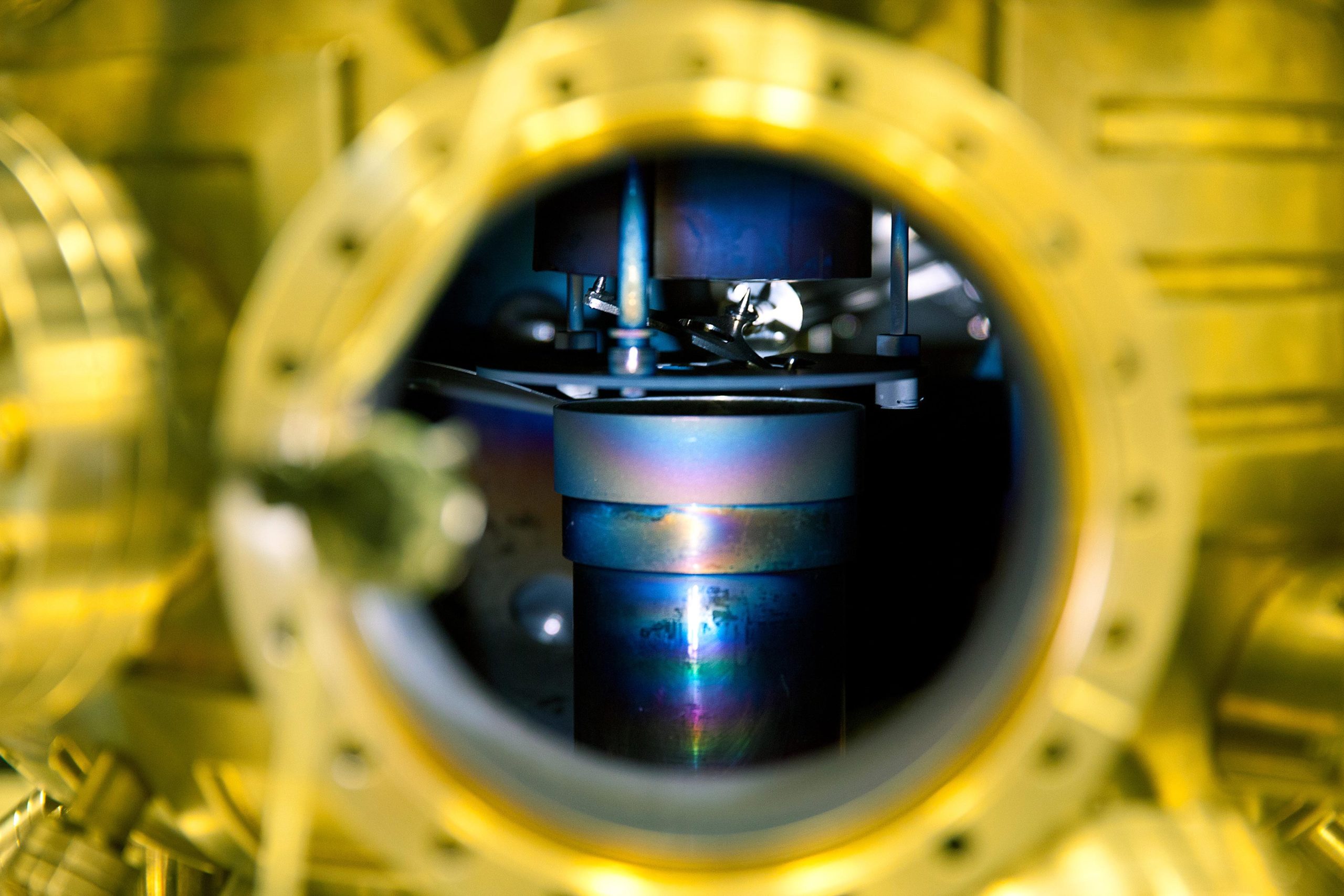
Six Swedish universities have united in a major initiative focused on functional materials, with approximately EUR 250 million (SEK 2.7 billion) in funding from the Knut and Alice Wallenberg Foundation. The overall objective is to create new, vital knowledge and expertise that will bring our civilization to a state of balance with the Earth’s resources and the natural world.
Knowledge and the production of new materials have contributed to human and societal progress throughout history, everything from the extraction of bronze and iron to the manufacture of the semiconductors on which our current information-based society depends. However, many of the materials and their methods of preparation have contributed to the environmental problems we are facing.
Around 90 billion tonnes of raw materials – mainly metals, minerals, fossil-based substances and biomass – are extracted every year to produce materials. This is expected to double between now and 2050. Much of the raw material extracted is in the form on non-renewable substances, which leads to a heavy burden on the environment, society and the climate. Materials production accounts for around 25% of greenhouse gas emissions, and the refinement of metals consumes around 8% of the energy produced by humans.
The Wallenberg Initiative Material Science for Sustainability, WISE, will create the conditions required for a transition to a sustainable society by advancing the limits of knowledge in materials science. The four areas in focus are:
- to advance the conversion, storage and distribution of clean energy along the complete chain from harvesting to distribution
- to replace rare, energy-consuming and toxic substances with materials that are part of a circular chain of sustainability, and create circular systems for extraction, recycling and reuse
- to counteract pollution, to purify and protect the atmosphere, the soil and our water, and contribute to a powerful reduction in greenhouse gas emissions, and
- to promote the discovery of unknown materials to be used in the sustainable and efficient technology of the future and applications with low energy consumption.
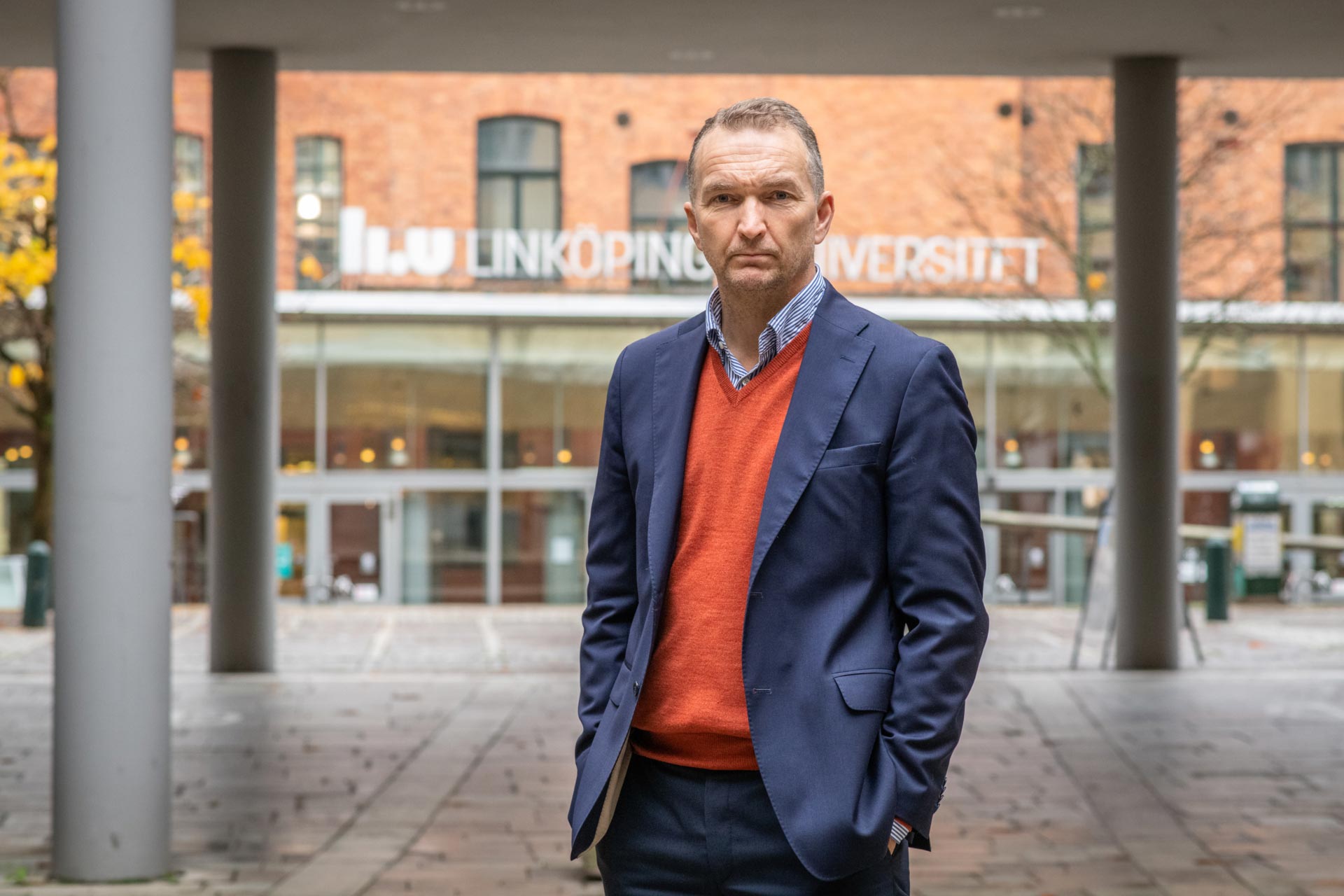
“I see functional materials as the most important component in the development of green energy technology, and in making circular solutions possible. The objective of the program is to understand, create and control complex materials systems right down to the atomic level, making pioneering sustainable technologies possible,” says Magnus Berggren, professor in the Laboratory of Organic Electronics at Linköping University and director of the program.
“This is an incredibly important initiative for Swedish research into new functional materials, allowing us to create new technologies for a sustainable society,” says Olle Eriksson, professor at Uppsala University and vice director of the program.
Industry has powerful research environments in several fields, including electronic and photonic materials, energy materials, glasses, hard materials, composites, lightweight metals, polymers and biopolymers, porous materials and special steels. Hard materials (metals) and special steels currently account for more than half of Sweden’s sales within materials (excluding forestry products), while glasses and energy materials are the areas with strongest growth.
The Wallenberg Initiative Material Science for Sustainability is to be conducted in collaboration with industry and society, and research results from the six participating universities will be placed into a context of applications, manufacture and implementation. The results will also be linked to technical standards.
A further goal of the program is to train future leaders within society, industry and the academic world.
All appointments within the program will follow international announcement, where the goal is to recruit skilled young researchers from all over the world. They will work at the following Swedish universities: Chalmers University of Technology, KTH Royal Institute of Technology, Uppsala University, Lund University, Stockholm University and Linköping University. The latter will be the host university for the program.
Twenty-five international research groups will be recruited to the six Swedish universities within the program, and a graduate school will be established with places for 180 PhD students and 180 postdocs. Thirty of these PhD students and thirty of the postdocs will be based in industry.
“This is a powerful, concrete initiative for a more sustainable world. The Knut and Alice Wallenberg Foundation will allocate more than SEK 3 billion during an 11-year period, to enable the cultivation of knowledge and contribute to achieving the goals of the UN’s Agenda 2030 and the Paris Agreement,” says Peter Wallenberg Jr, chair of the Knut and Alice Wallenberg Foundation.
In addition to the SEK 2.7 billion for the Wallenberg Initiative Material Science for Sustainability, further funds will be granted to a major initiative in forestry materials, the Wallenberg Wood Science Center (WWSC). The addition of SEK 380 million will bring the total funding from the Knut and Alice Wallenberg Foundation to SEK 1 billion.
The Knut and Alice Wallenberg Foundation is also the funding body for Sweden’s largest ever research investment: the Wallenberg AI Autonomous System and Software Program (WASP), which has a total budget of SEK 5.5 billion for 14 years, of which SEK 4.2 billion has been awarded by the foundation.
Never miss a breakthrough: Join the SciTechDaily newsletter.
Follow us on Google and Google News.
1 Comment
One does not “extract bronze.” Rather, tin and copper, usually from different localities, are extracted and then the molten metals are mixed together to form an alloy that is not found in nature.
I wonder about the potential success of a program that doesn’t understand the things that they set out to study, with the intent to “bring our civilization to a state of balance with the Earth’s resources and the natural world.” If one’s basic premises are wrong, it will be shear luck if they accomplish their goal.
There is an old saying: “The road to Hell is paved with good intentions.”