
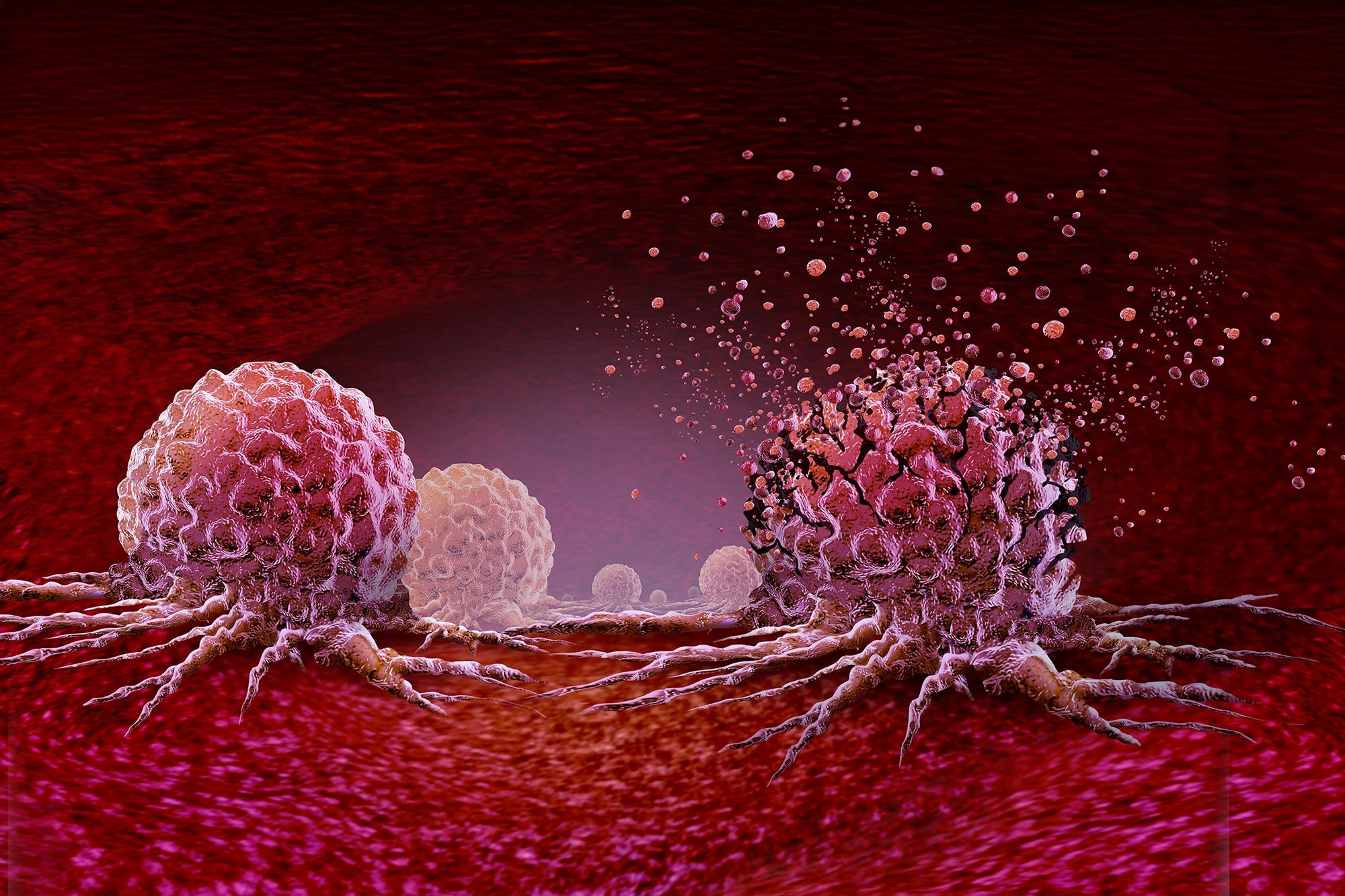
Some cancer cells survive chemotherapy by blocking their own self-destruct system, but researchers have found a way to switch it back on and kill those cells.
Chemotherapy can leave behind cancer cells that have stopped dividing but remain alive and capable of helping a tumor recover. These survivors can draw support from an unexpected source, the immune system, by activating responses that normally help the body repair damaged tissue.
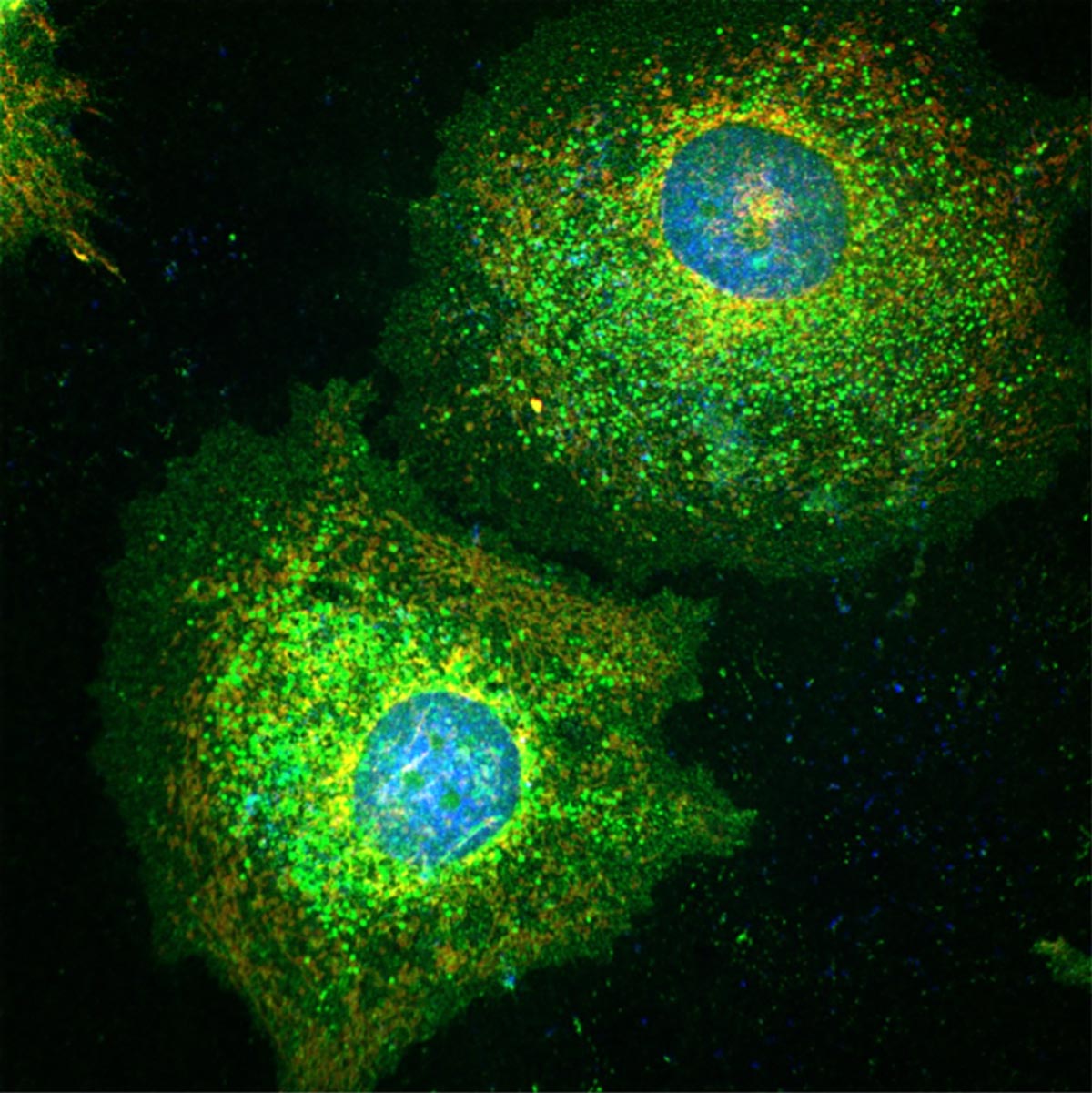
This “zombie-like state,” called “premature senescence,” involves dramatic changes. Within a few days of exposure to chemotherapy, senescent cells can grow to almost ten times the size of a normal cell and increase the activity of genes associated with wound healing. Their ability to release inflammatory mediators, molecules that attract immune cells, also increases greatly.
Cancer exploits the body’s repair system
The danger lies in the range of jobs the immune system performs. Alongside protecting against infection, it coordinates the repair and replacement of damaged tissue. During wound healing, it stimulates cell division to replace cells lost through injury and triggers the growth of blood vessels that deliver extra oxygen and nutrients. Normally, this complex, carefully coordinated process ensures that new cells appear only where and when they are needed.
Cancers can exploit those repair functions by masquerading as damaged tissue. Instead of destroying malignant cells, the immune system can then help them divide and obtain more oxygen and nutrients. That behavior has led cancers to be described as “wounds that do not heal,” although how they activate the immune system’s wound-healing capabilities remains poorly understood.
Proteins shield cancer cells from chemotherapy
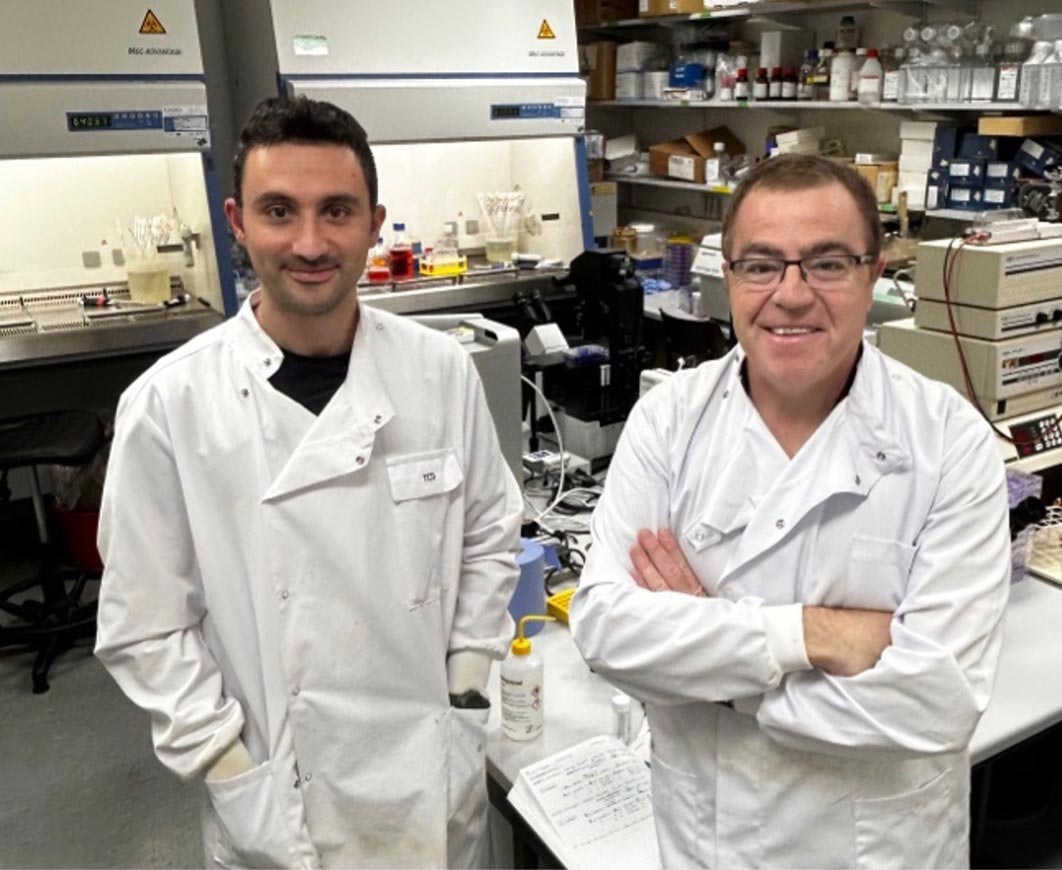
Research newly published in Science Advances identifies a mechanism that helps cancer cells survive chemotherapy and enter senescence. Scientists at the Smurfit Institute of Genetics at Trinity College Dublin found that molecules called Inhibitor of Apoptosis Proteins, or IAPs, can protect tumor cells from the killing effects of commonly used chemotherapy drugs. The team was led by Professor Seamus Martin, Smurfit Professor of Medical Genetics, and Dr. Gokhan Gunay, a postdoctoral research fellow.
The researchers found that DNA damage caused by chemotherapy switched on molecules called “Death Receptors,” which can trigger a cell’s self-destruct program. IAPs neutralized their cell-killing effects. That protection allowed surviving tumor cells to enter senescence, where they could coordinate wound-healing responses that benefit the tumor and help it recover after treatment.
Reactivating cancer cells’ self-destruct program
But the cells’ continued survival also depended heavily on IAPs, creating a vulnerability. In the study, compounds called IAP antagonists neutralized these proteins and reactivated the Death Receptor self-destruct program, selectively eliminating the senescent cells. The same proteins that helped the cells escape chemotherapy thus remained essential to keeping them alive afterward.
Senescent cells are also relevant beyond cancer treatment. They accumulate in tissues as people age, and that buildup is thought to contribute to age-related inflammation and declining normal function in many tissues.
For cancer treatment, the findings identify both an escape mechanism and a possible way to target the cells that use it. Tumors that evade chemotherapy remain a major challenge for clinicians, and improved treatments could offer patients better survival and quality of life.
Professor Martin said, “Discovering how tumors can evade the cell-killing effects of chemotherapy and enter senescence is an important and challenging problem.
“These new findings suggest ways in which we may be able to lower the defenses of tumors by neutralizing IAPs after the delivery of chemotherapeutic drugs, which should block their entry to senescence and kill more cells of the tumor.”
Reference: “Death receptors regulate entry to therapy-induced senescence and orchestrate addiction to IAPs” by Gokhan Gunay, Seren Hamsici, Vaishnavi Venugopalan, Aoife Costigan, Melanie Fritsch, Aislinn Gallagher Aldave, Anne Huber, Brianna Fernandez, Hande Efe-Cicek, Pavel Davidovich, Pavitha Parathan, Akash Srivaths, Natalie Hudson, Eleanor Noone, Jeffrey O’Callaghan, Lisa A. Mielke, Sarah L. Doyle, Sabrina L. Spencer, Matthew Campbell, Conor J. Kearney, Hamid Kashkar and Seamus J. Martin, 23 October 2026, Science Advances.
DOI: 10.1126/sciadv.aed4541
Work in The Martin laboratory at Trinity is supported by the European Research Council (Project DESTRESS) and Research Ireland.
Never miss a breakthrough: Join the SciTechDaily newsletter.
Follow us on Google and Google News.