
Close Menu
    Facebook X (Twitter) Instagram
    SciTechDaily
    • Biology
    • Chemistry
    • Earth
    • Health
    • Physics
    • Science
    • Space
    • Technology
    Facebook X (Twitter) Pinterest YouTube RSS
    SciTechDaily
    Home»Technology»New Radar Satellite Can See Through Thick Clouds
    Technology

    New Radar Satellite Can See Through Thick Clouds

    By SciTechDailyDecember 1, 2011No Comments2 Mins Read
    Facebook Twitter Pinterest Telegram LinkedIn WhatsApp Email Reddit
    Share
    Facebook Twitter LinkedIn Pinterest Telegram Email Reddit
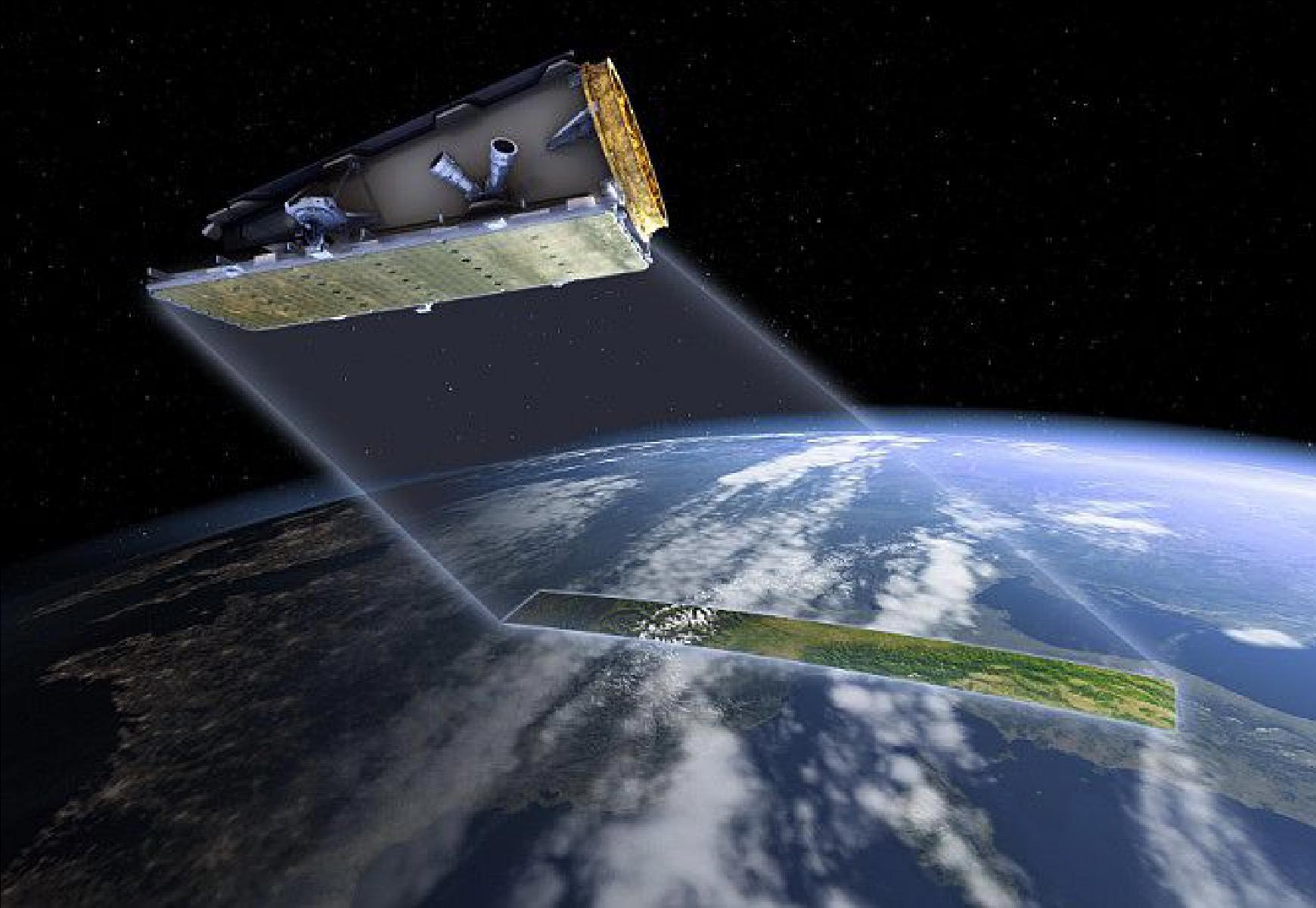
    NovaSAR Radar Platform in Orbit
    Artist’s rendition of the NovaSAR radar platform in orbit. Credit: SSTL

    The U.K. government wants some new sophisticated radar satellites around the Earth in order to view the planet’s surface through any type of weather, no matter the time of day. These satellites could eventually allow any area on Earth to be imaged within 24 hours, giving us a better idea of what is going on with our world. It could be used for monitoring a disaster or even to monitor deforestation.

    Radar was chosen because it has the unique ability to track objects on the ground even with clouds between it and the objects. The project has been developed by Surrey Satellite Technology Limited, makers of small, low-cost spacecraft, who will now be making small and hopefully low-cost satellites. The new NovaSar-S satellite weighs 881 pounds and is smaller than most radar platforms used today, with a low budget price of $70 million.

    For that price, they can build, launch, and insure a NovaSar-S. The satellite will deliver images that can show details of any objects on the ground that are larger than 20 feet. It will be ready within three years. If the first version performs as expected, the goal is to launch more to create a constellation in the sky.

    Never miss a breakthrough: Join the SciTechDaily newsletter.
    Follow us on Google and Google News.

    Radar Satellites Surrey Satellite Technology Limited Uk
    Share. Facebook Twitter Pinterest LinkedIn Email Reddit

    Related Articles

    Your GPS Lies in Cities. Scientists Finally Fixed It

    Bridges in North America Are in Worse Shape Than Anywhere Else on Earth

    Not So Secure: Drones Can Now Listen to Underwater Messages

    Space Race Heats Up: Tackling Thermal Challenges Beyond Earth

    Space Age Security: How Satellites Could Extend Quantum Encryption Globally

    Super Radar: Pioneering Research Overcomes Historic Trade-Offs Between Distance and Detail

    Scientists Develop “Impossible” Millimeter Wave Sensor With Vast Potential

    Vortex Radar: Revolutionizing Rotational Detection With THz Waves

    Planetary Defense Has Unexpected Support From a New Satellite

    Leave A Reply Cancel Reply

    • Facebook
    • Twitter
    • Pinterest
    • YouTube

    Don't Miss a Discovery

    Subscribe for the Latest in Science & Tech!

    Trending News

    JWST Finds a “Star” 100 Billion Times Brighter Than Any Star Should Be

    Scientists Find a Hidden Biological Link Across Different Forms of Autism

    Astronomers Discover a Ghostly River of Stars That Could Reveal Dark Matter

    Why Is Colorectal Cancer Rising in People Under 50? New Clues Point to the Environment

    Quantum Fluctuations Break a Crystal’s Symmetry Rules

    Why Does an Irregular Heartbeat Strike 40 Years Early in Some People?

    Scientists Reveal How ADHD Could Fuel Creative Thinking

    Scientists Find Just 3 Minutes of Sprinting Can Transform Blood Chemistry

    Follow SciTechDaily
    • Facebook
    • Twitter
    • YouTube
    • Pinterest
    • Newsletter
    • RSS
    SciTech News
    • Biology News
    • Chemistry News
    • Earth News
    • Health News
    • Physics News
    • Science News
    • Space News
    • Technology News
    Recent Posts
    • Cleaner Cars May Be Hiding a New Pollution Problem
    • Common Plant Chemical Linked to Widespread Organ Damage in Aquatic Animals
    • Scientists Discover a Hidden Baobab Species in Madagascar
    • Dogs and Humans May Share a Surprising Biological Secret to Longevity
    • A 150-Million-Year-Old Dinosaur Flight Mystery May Finally Have an Answer
    Copyright © 1998 - 2026 SciTechDaily. All Rights Reserved.
    • Science News
    • About
    • Contact
    • Editorial Board
    • Privacy Policy
    • Terms of Use

    Type above and press Enter to search. Press Esc to cancel.