
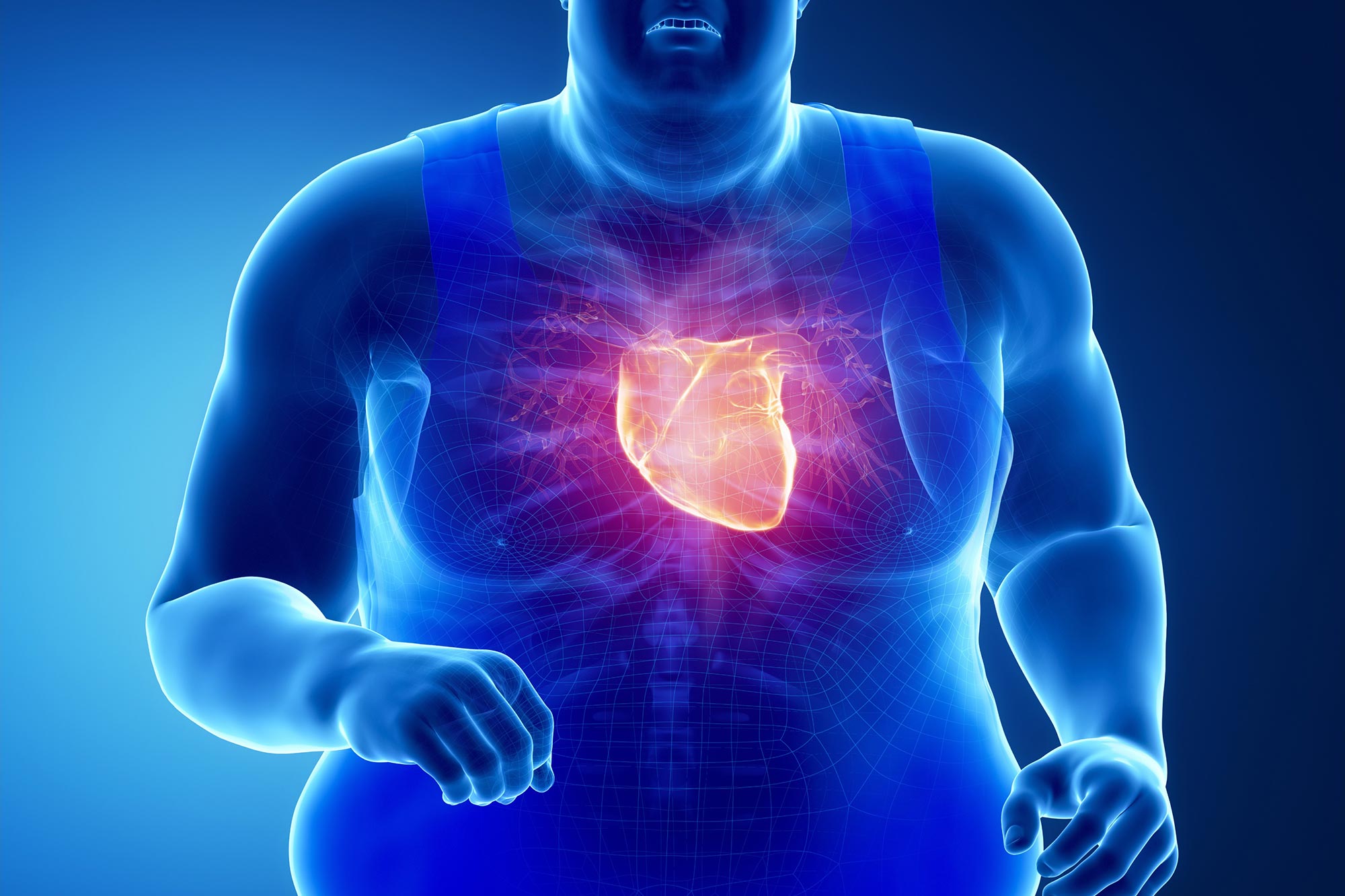
Highlighting obesity’s role in cardiovascular issues, the 2024 ESC Clinical Consensus advocates for comprehensive strategies that address the global obesity epidemic through preventive and remedial measures.
The ESC Clinical Consensus Statement on Obesity and Cardiovascular Disease, presented at this year’s ESC Congress summarizes current evidence on the epidemiology and etiology of obesity; the interplay between obesity, cardiovascular risk factors, and cardiac conditions; the clinical management of patients with cardiac disease and obesity; and weight loss strategies including lifestyle changes, interventional procedures, and anti-obesity medications with particular focus on their impact on cardiometabolic risk and cardiac outcomes.
The Consensus Statement will be co-published in the European Heart Journal (EHJ) and the European Journal of Preventive Cardiology (EJPC) at 08:15 BST on Friday, August 30, 2024.
Obesity: A Growing Global Crisis
The global prevalence of obesity has more than doubled over the past four decades, currently affecting more than a billion individuals. Beyond its recognition as a high-risk condition that is causally linked to many chronic illnesses, obesity has been declared a disease in itself, that results in impaired quality of life and reduced life expectancy.
The Cardiovascular Impact of Obesity
“Notably, 67.5% of deaths related to high body mass index (BMI) are attributable to cardiovascular disease (CVD). Despite the increasingly appreciated link between obesity and a broad range of CVD manifestations including atherosclerotic disease, heart failure, thromboembolic disease, arrhythmias, and sudden cardiac death, obesity has been under-recognized and sub-optimally addressed compared with other modifiable cardiovascular risk factors,” says Professor Emeline Van Craenenbroeck, Consensus Statement Co-Chair, Antwerp University Hospital, Belgium.
“This Consensus Statement aims to raise awareness on obesity as a major risk factor and provide guidance for implementing evidence-based practices for its prevention and optimal management within the context of primary and secondary CVD prevention,” adds Professor Eva Prescott, corresponding author, Bispebjerg Frederiksberg Hospital, University of Copenhagen, Denmark.
Interrelations of Obesity, Diabetes, and Hypertension
While obesity adversely affects different organs and is a risk factor for several chronic diseases, the Consensus Statement highlights how obesity not only contributes to well-established cardiovascular (CV) risk factors (type 2 diabetes [T2DM], dyslipidemia, elevated blood pressure, and arterial hypertension) but also has direct adverse effects on cardiac structure and function and leads to the development of CVD – both atherosclerotic and non-atherosclerotic – independently of other CV risk factors.
The Consensus Statement highlights that both genetic and biological factors influence individual development of obesity, but the worldwide obesity epidemic is largely driven by environmental/societal factors. It also notes that individuals with similar BMI may have different cardiometabolic risk. Other metrics of abdominal adiposity including waist circumference, waist-to-height ratio and waist-to-hip ratio are useful to refine cardiometabolic risk stratification beyond BMI.
Comprehensive Strategies for Obesity Management
Obesity and T2DM are strongly interrelated. About 80-85% of people with T2DM are overweight or obese. Conversely, individuals with obesity are nearly three times more likely to develop T2DM than normal-weight individuals (20% vs. 7.3%, respectively). In patients with established T2DM, weight loss interventions have shown positive effects on glycaemic control including remission to a non-diabetic state. Regarding hypertension, high BMI is thought to be responsible for 78% of the risk of hypertension in men and 65% of the risk in women aged 20-49 years.
The relationship between obesity and various types of CVD, including atrial fibrillation, atherosclerotic CVD (ASCVD), heart failure, arrhythmia, venous thromboembolism, and valvular disease, is discussed in the Consensus Statement.
Obesity is both preventable and treatable. Comprehensive obesity treatment is based on multidisciplinary approaches including behavioral interventions, nutrition, physical activity, pharmacological therapy, and endoscopic procedures/bariatric surgery as appropriate.
Treatment and Prevention: Navigating the Future
“Despite the broad range of available treatment options, obesity management has received considerably less attention compared with other modifiable CV risk factors over the past decades, particularly among cardiologists. Newer anti-obesity medications have recently emerged as additional options for marked weight loss with proven effect on CV outcomes, fuelling interest in obesity as a therapeutic target,” says Professor Konstantinos Koskinas, Consensus Statement Co-Chair, Bern University, Switzerland.
A significant part of the Consensus Statement is dedicated to both non-pharmacological and pharmacological treatment of obesity. Among the key points on dietary interventions are that they generally aim for a 500–750 kcal/day energy deficit, however, adjustments to individual body weight and activity are needed. And while a weight reduction in the range of 5–10% can be achieved with various nutritional and multidisciplinary approaches, maintenance of effects is a key issue. Physical activity interventions typically have modest effects on weight loss but are important for weight loss maintenance and reduction of overall CV risk.
On drugs to treat obesity, the statement highlights that orlistat and bupropion/naltrexone should be used with caution as weight loss medications, particularly in patients with known CVD, in view of their modest effects on body weight, scarce evidence on CV safety, and concerns regarding potential long-term CV risk. However, it does highlight that glucagon-like peptide-1 (GLP-1) agonists are effective for weight loss and improvement in CV risk factors.
“GLP1-RA are effective for weight loss and improvement in CV risk factors; currently the only drug regimen with proven outcomes effect in patients with established CVD without T2DM is semaglutide 2.4 mg/weekly,” says Professor Van Craenenbroeck. “Treatment effects are limited to the duration of treatment. The long-term effects and maintenance of efficacy of weight loss medications requires further investigation.”
The authors conclude: “The global problem of obesity is unlikely to be resolved by medical, lifestyle or other interventions directed towards individuals alone. The epidemic of overweight and obesity, affecting now more than 60% of the population in Europe, results from societal and lifestyle changes and can be amended through effective public health policies. The passivity of governments while the obesity epidemic has evolved over decades, is noticeable. We live in an obesogenic environment in which circumstances, beyond the individual control, drive the obesity crisis.
“Individual treatment of obesity in patients with CVD may be cost-effective in some but currently remains out of reach for the majority of patients due to the costs to the individual as well as societal costs.
“Practicing physicians including cardiologists can contribute to the battle against obesity in multiple ways and at different levels, by becoming proactive in the prevention and management of obesity, as they have been for decades with other CV risk factors. They should consistently communicate the CV risk associated with obesity and stress the importance of life-long adoption of healthy lifestyles to maintain a healthy body weight throughout life.
“For patients presenting with obesity, cardiologists and related health care professionals should appreciate the paradigm shift towards combination strategies for managing obesity as a chronic disease. It should be appreciated, however, that lifestyle interventions remain the first-line treatment for weight reduction, and that the effects of pharmacologic and lifestyle interventions on weight loss and cardiometabolic factors are additive. Therefore, drug treatment – if applicable and locally supported – should be used as a complementary rather than substitutive treatment option; in this case, long-term adherence to a healthy lifestyle remains critical in order to potentiate and maintain the favorable drug effects.”
References:
The “ESC Clinical Consensus Statement on Obesity and Cardiovascular Disease” will be presented on Saturday, August 31, 2024 in Bishkek room.
“Obesity and cardiovascular disease: an ESC clinical consensus statement” by Konstantinos C Koskinas, Emeline M Van Craenenbroeck, Charalambos Antoniades, Matthias Blüher, Thomas M Gorter, Henner Hanssen, Nikolaus Marx, Theresa A McDonagh, Geltrude Mingrone, Annika Rosengren, Eva B Prescott, the ESC Scientific Document Group, Victor Aboyans, Carina Blomstrom-Lundqvist, Jens Cosedis Nielsen, Erwan Donal, Wolfram Döhner, Marc Ferrini, Sigrun Halvorsen, Christian Hassager, Kurt Huber, Stefan James, Christophe Leclercq, Cecilia Linde, John William McEvoy, John McMurray, Borislava Mihaylova, Richard Mindham, Steffen Petersen, Massimo Piepoli, Amina Rakisheva, Xavier Rosselló, Piotr Szymański, Izabella Uchmanowicz, Christiaan Vrints, Stephan Windecker, Adam Witkowski and Katja Zeppenfeld, 30 August 2024, European Heart Journal.
DOI: 10.1093/eurheartj/ehae508
Never miss a breakthrough: Join the SciTechDaily newsletter.
Follow us on Google and Google News.
3 Comments
I am a medical anthropologist who studies the cultural causes of disease that the culture finds uncomfortable to address, or even recognize. When it comes to nutrition research and discussions of obesity, one thing that is ignored is the contamination of the food supply with toxins, called “obesogens”, which are substances that cause obesity.
While there are different models of how various toxins create obesity, I have developed a simple theory that explains some of this impact. It has to do with the toxic nature of these substances, and the time it takes for the body to metabolize and eliminate them from the body. The body has a certain rate by which it can eliminate these toxins, and the slower the rate the worse the impact of these toxins on the body. To better manage this toxin disposal process, some of the toxins, which are typically fat-soluble, leave the bloodstream and enter fat cells. Essentially, the fat cells serve as storage depots for the toxins so the body can keep these toxins from affecting the rest of the body. These toxins are slowly released by the fat cells back into the bloodstream, where they can be efficiently eliminated by the liver, kidneys, etc. So essentially, fat cells serve as a temporary storage of toxins, keeping them from affecting the rest of the body, and waiting to be eliminated.
Of course, if fat serves this function, then the more toxins you take into your body, the more fat you will need so that the concentration of toxins does not get too high in the fat cells, making the toxin leak out faster. In other words, the more toxic your diet, the greater need you have for fat storage of these toxins, and the fatter you get. This means that being obese may be a function of toxin exposure, and not just about calorie consumption or other lifestyle issue.
See my article, From Fit to Fat: Food for thought on the causes of weight gain. https://www.academia.edu/11020595/From_Fit_to_Fat_Food_for_thought_on_the_causes_of_weight_gain
I gained fat weight in response to temporary success in weight loss. And this is hardly atypical. Each attempt to lose weight saw it return plus 20 lb. At one point, I quit attempts to lose weight, because another 20 I figured would kill me.
It is an interesting hypothesis, but it fails to explain this common pattern.
I have looked at many ideas. The most compelling is the spread of Adenoviruses 5, 36, & 37. Some scientists thought the pattern of spread of the obesity epidemic, looked exactly like an epidemic. They found some Adenoviruses had increased, and persist in the body (latent infections). When tested in animals, infected animals became obese, while the controls did not. When analyzed, they infect fat cells, and control the cellular messaging hormones, that message the brain that the fat cells are too empty. Scientists can’t intentionally infect humans and see what happens. That is unethical. As such, it is difficult to prove cause. Additionally, we have difficulty detecting Adenoviruses 5, and 37. So, we are mostly looking at ADV36. They checked to see if it affected primates like it did rats, and it did. “Longitudinal studies in monkeys showed a 15%–30% increase of body weight…” They also did the same thing to chickens, and showed that easily spread to other chickens from infected chickens. They also infected marmosets and hamsters with the same adiposity gain.
“Adv36 accelerates differentiation and proliferation of the 3T3-L1 human preadipocytes into adipocytes and increases the concentration of lipid content in fat cells.”
It is not like the link to elevated adiposity to ADV36 infection has not been investigated. There are many studies which usually get a result of between double and triple the chance of obesity with infection. If we could also test for the other 2, I suspect it would result in a far stronger case. Chances are, in the few studies where they did not see a difference, there was likely more ADV5 & 37 obscuring what ADV36 was doing.
And just look at the success of the GLP-1 agonists. They are suppressing these hormone signals.
And I can see how there could be feedback from viruses in the fat, if one attempts weight loss, that could lead to the return of that fat and more. I have lost 60 lb but slowly, and so far kept it off for 7 months.
“The global prevalence of obesity has more than doubled over the past four decades, currently affecting more than a billion individuals.”
Highly consistent with that time frame, as an alleged global leader in food safety the US FDA approved the expanded use of added artificially cultured “free” (can cross the blood-brain barrier) MSG as an alleged “flavor enhancer” in 1980 and its use has been increasing ever since, going global with the so-called “western diet.” Sadly, and somewhat contrary to Mr. Singer and “Mindbreaker,” it’s not just obesity. About the only chronic disease we can eliminate from added MSG causation in the US is female breast cancer, presenting in 1979 (ACS and NCI data). Fat cell related ‘depression’ and ADV36 related ‘diabetes’ concurrent with dementia, heart disease, obesity, osteoporosis and teenage mass shootings, I don’t think so? “Obesogens” may apply and ADV36 may very well cause serious inflammation and weight gain in lab animals but I think AFS (Adulterated Food Syndrome) fits the big picture a lot better. More details on the “About” page of my video channel: https://odysee.com/@charlesgshaver:d?view=about