

Beckman Institute researchers have discovered a connection between a high-fat diet and elevated nitric oxide levels, which may raise the risk of inflammation and cancer development.
Scientists have hypothesized that dietary habits might hasten the onset of cancer and perhaps make it worse for many years.
Researchers at the University of Illinois Urbana-Champaign’s Beckman Institute for Advanced Science and Technology proved that a direct link exists between the amount of fat consumed by an individual and their body’s levels of nitric oxide, a naturally occurring signaling molecule linked to inflammation and the emergence of cancer.
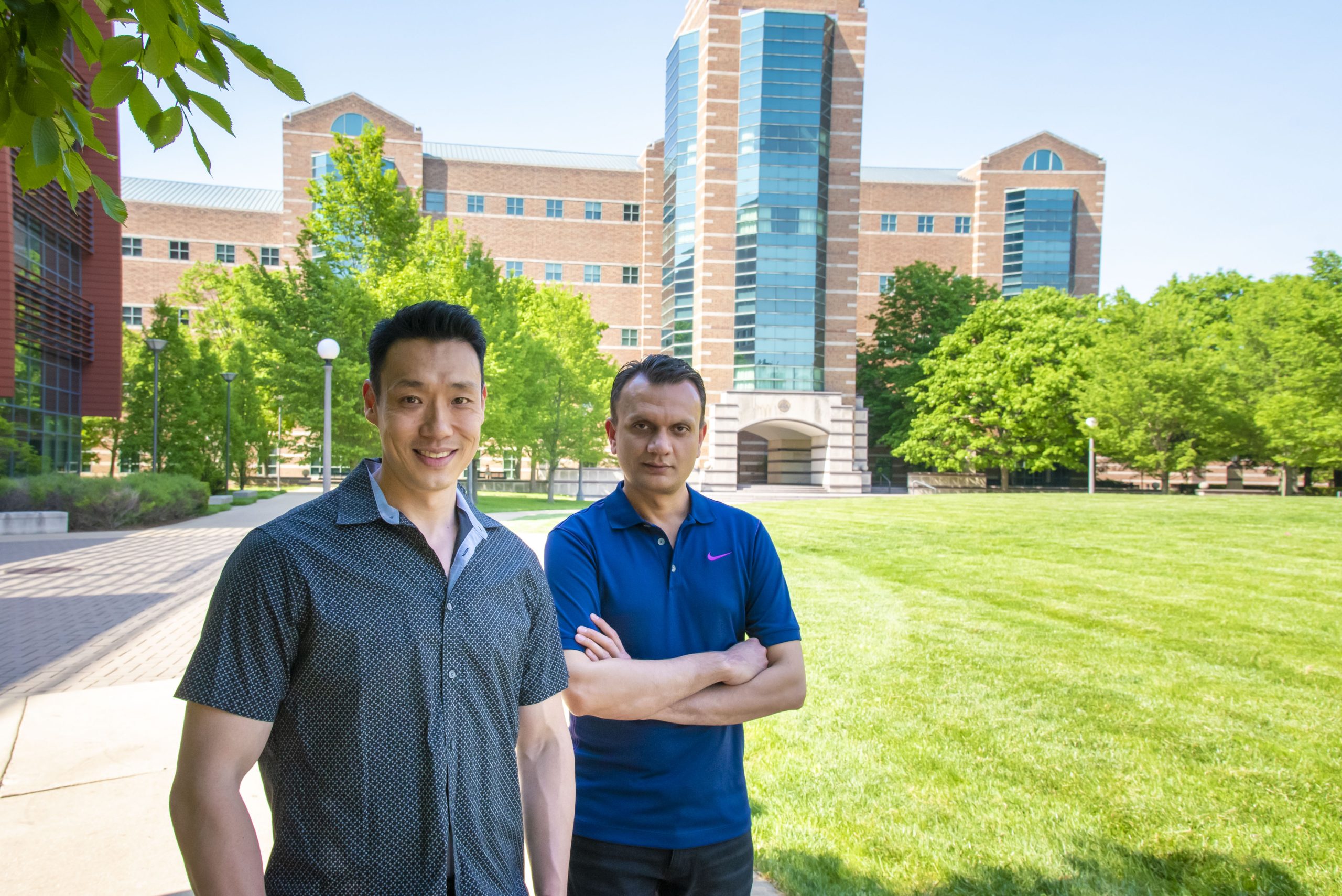
“We are trying to understand how subtle changes in the tumor microenvironment affect cancer progression at the molecular level. Cancer is a very complicated disease,” said Anuj Yadav, a senior research associate, and the study’s lead co-author.
Yadav explained that cancer isn’t just about a few tumor cells, but rather the entire microenvironment — or ecosystem — of the tumor supporting the cells.
Linking Inflammation, Diet, and Tumors
“Inflammation can play a significant role in this environment. Certain inflammatory response comes from highly processed foods, which are high in calories and high in fat. We wanted to understand the links between food, inflammation, and tumors at a molecular level, so we had to develop advanced probes to be able to visualize these changes,” he said.
Existing research has already linked elevated nitric oxide levels to inflammation as well as inflammation to cancer. Yadav and his team needed to create a highly sensitive molecular probe capable of deep-tissue imaging in order to prove the connection between high-fat diets and nitric oxide levels on a molecular level.
Designing the BL660-NO Molecular Probe
A molecular probe is a group of atoms or molecules used to study the properties of adjacent molecules by gauging the interactions between the probe and the structures of interest. But they are not one-size-fits-all. Each probe must be tailored to the conditions of its experiment.
“Our group specializes in making designer molecules, which allows us to look at molecular features that are invisible to the naked eye,” said Jefferson Chan, an associate professor of chemistry at the University of Illinois Urbana-Champaign, and the study’s principal investigator. “We design these custom-made molecules to discover things that weren’t previously known.”
The success of the study, which appeared in ACS Central Science on March 16th, largely depended on the molecular probe designed by the team. Labeled BL660-NO, this probe is the first of its kind to be used in bioluminescence imaging of nitric oxide in cancer.
The researchers used the probe to design a diet study in mice, comparing the tumorigenicity of the breast-cancer-carrying mice on a high-fat diet (60% of calories coming from fat) with mice on a low-fat diet (10% of calories coming from fat) by measuring the nitric oxide levels in both groups.
Increased Nitric Oxide in Tumor Microenvironment
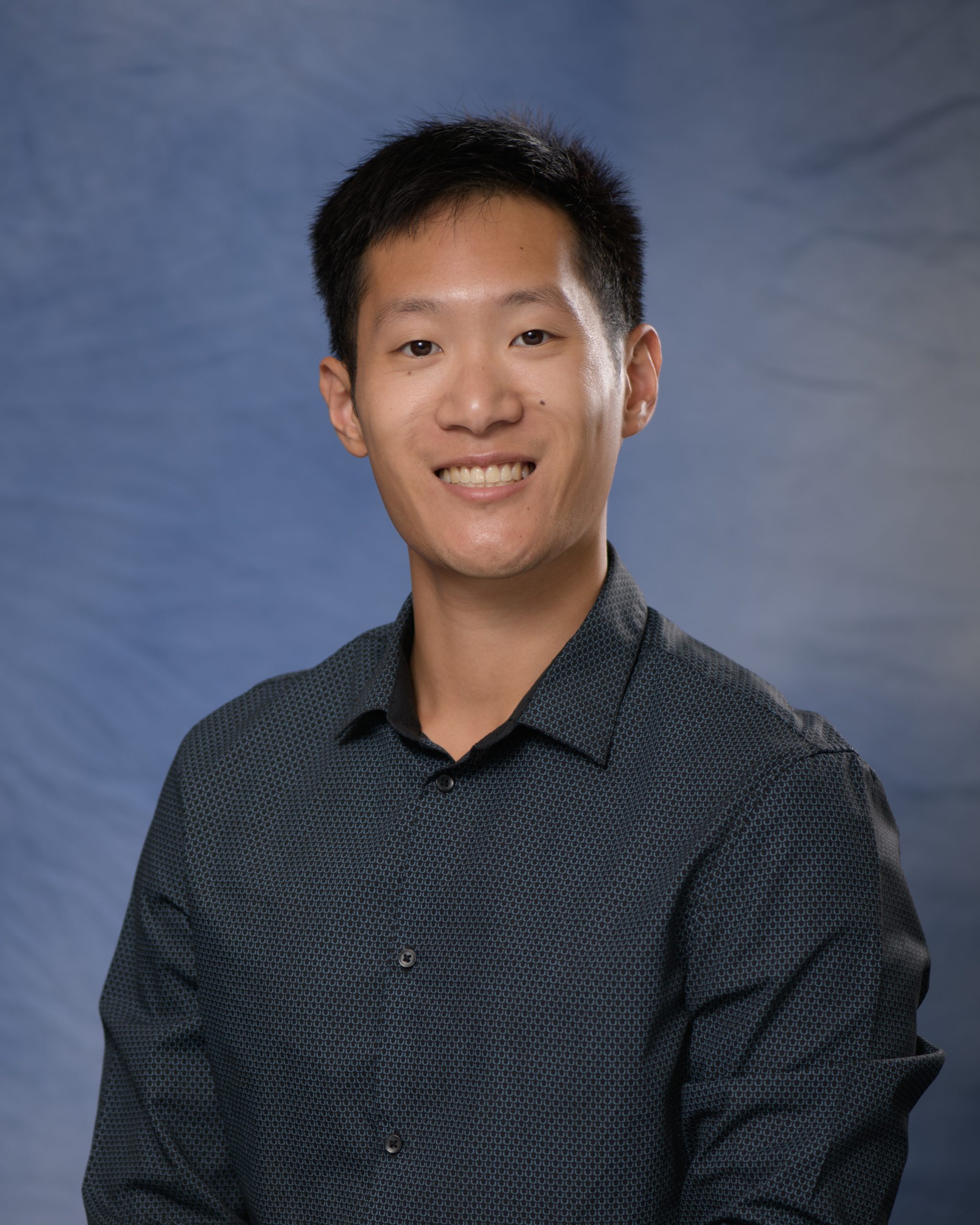
“As a result of the high-fat diet, we saw an increase in nitric oxide in the tumor microenvironment,” said Michael Lee, a student researcher in the Chan lab and a lead co-author of this study. “The implication of this is that the tumor microenvironment is a very complex system, and we really need to understand it to understand how cancer progression works. A lot of factors can go into this from diet to exercise — external factors that we don’t really take into account that we should when we consider cancer treatments.”
The authors emphasized the importance of proving a direct link between a high-fat diet, nitric oxide levels, and cancer development. With this association now known, new implications exist for cancer diagnosis and treatment.
“Without this technology, you wouldn’t see this missing molecular link,” said Chan, who is also a faculty researcher at the Beckman Institute. “Now that we know that this is happening, how do we prevent it, and how do we improve the situation?”
Reference: “Activity-Based NIR Bioluminescence Probe Enables Discovery of Diet-Induced Modulation of the Tumor Microenvironment via Nitric Oxide” by Anuj K. Yadav, Michael C. Lee, Melissa Y. Lucero, Shengzhang Su, Christopher J. Reinhardt and Jefferson Chan, 16 March 2022, ACS Central Science.
DOI: 10.1021/acscentsci.1c00317
Never miss a breakthrough: Join the SciTechDaily newsletter.
Follow us on Google and Google News.
1 Comment
What they don’t discuss is what kinds of fat they are talking about. Are they fats from highly processed food or healthy fats from things like nuts, seeds, eggs, etc.