
Close Menu
    Facebook X (Twitter) Instagram
    SciTechDaily
    • Biology
    • Chemistry
    • Earth
    • Health
    • Physics
    • Science
    • Space
    • Technology
    Facebook X (Twitter) Pinterest YouTube RSS
    SciTechDaily
    Home»Health»A Little-Known Threat: Infectious Microbes (Harmful Living Bacteria and Fungi) in Wildfire Smoke
    Health

    A Little-Known Threat: Infectious Microbes (Harmful Living Bacteria and Fungi) in Wildfire Smoke

    By American Association for the Advancement of ScienceDecember 17, 2020No Comments2 Mins Read
    Facebook Twitter Pinterest Telegram LinkedIn WhatsApp Email Reddit
    Share
    Facebook Twitter LinkedIn Pinterest Telegram Email Reddit
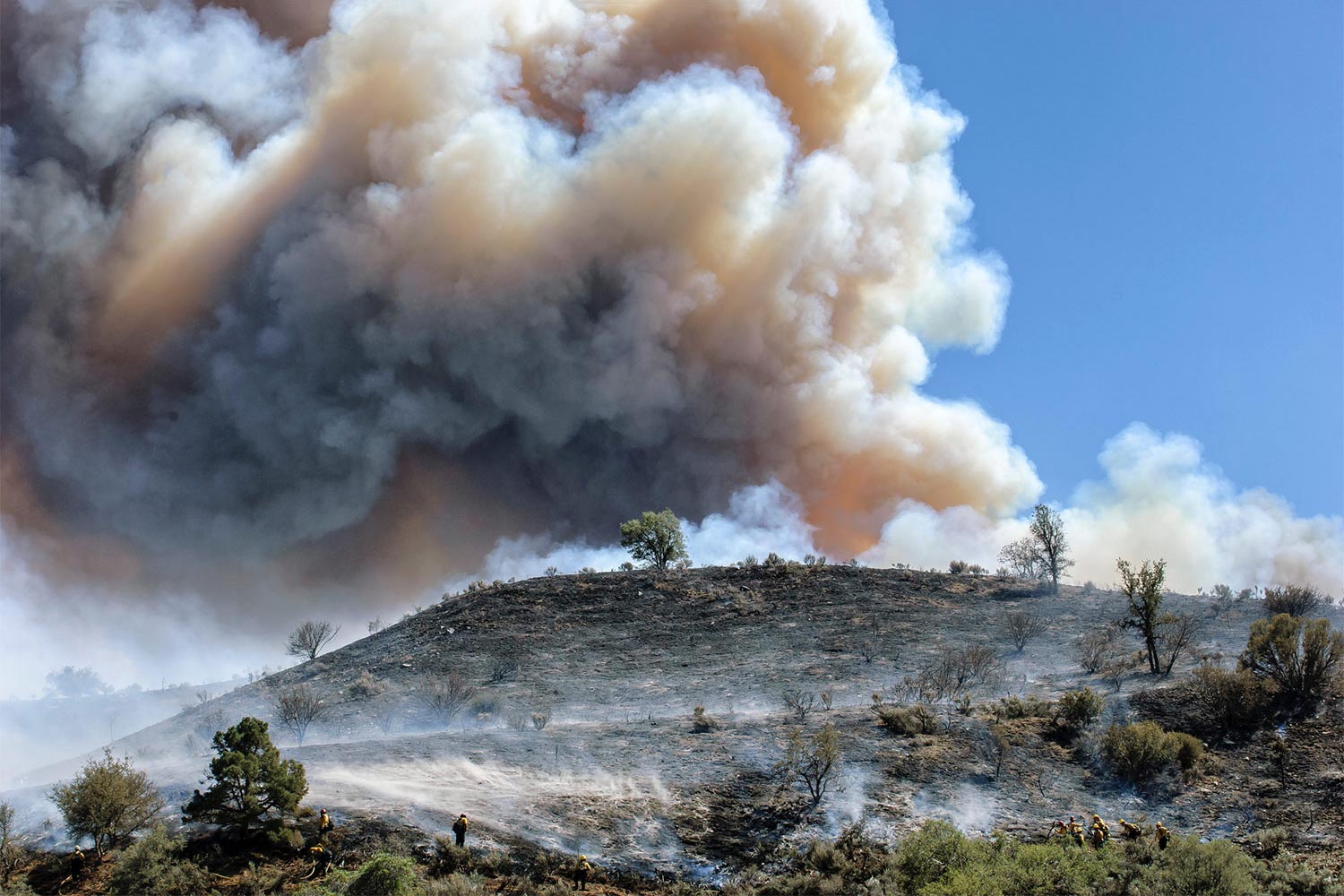
    Wildfire Smoke
    Wildfire smoke carries living microbes, including bacteria and fungi that are known to impact human health. These microorganisms become aerosolized from burning materials like soils, debris, and vegetation, and are then transported within the smoke plumes.

    Smoke from the growing number of annual wildfires across the western United States and Australia has led to lengthy periods of unhealthy and hazardous air quality for millions of people living in these regions. In a Perspective, Leda Kobziar and George Thompson III highlight a little-known and poorly understood threat potentially lurking in the plumes — infectious microbes.

    According to Kobziar and Thompson, wildfire smoke contains living microbes — bacteria and fungi known to affect human health — aerosolized from burning materials such as soils, detritus and wild woods and transported in smoke plumes.

    However, while the pulmonary and cardiovascular consequences of smoke exposure are well known and recognized, the potential for wildfire smoke to be a source of infection has been overlooked and remains unaddressed in public health and wildfire science. To date, very little research has been done to determine whether the transport of smoke-borne microbes poses a health risk, in addition to the risk known from particulate inhalation, despite compelling evidence that shows increasing rates of certain fungal infections in areas with increased levels of wildfire smoke.

    Kobziar and Thompson argue that the potential for a wildfire’s microbial content to affect humans who breathe in smoke, particularly from large fires and over long periods, is appreciable. Thus, atmospheric and public health sciences must expand their focus to include the potential impact of smoke’s microbial cargo on human populations — a goal that is especially relevant where smokey skies are more likely to become a seasonal norm rather than a rare event, write the authors.

    Reference: “Wildfire smoke: A potential infectious agent” by Leda N. Kobziar and George R. Thompson III, 18 December 2020, Science.
    DOI: 10.1126/science.abe8116

    Never miss a breakthrough: Join the SciTechDaily newsletter.
    Follow us on Google and Google News.

    American Association for the Advancement of Science Atmospheric Science Infectious Diseases Microbiology Wildfires
    Share. Facebook Twitter Pinterest LinkedIn Email Reddit

    Related Articles

    Details Revealed About the First Cat Infected With SARS-CoV-2 Coronavirus in Spain – Including Necropsy Findings

    Startlingly New Images of SARS-CoV-2 Infected Cells – Ready to Spread COVID-19 Virus

    Potential COVID-19 Achilles Heel Discovered: MicroRNA Molecules May Repress the Replication of Human Coronaviruses

    New Scientific Analysis of Hydroxychloroquine and Azithromycin for COVID-19 Patients

    New 3D Imaging Technique to Visualize Lung Tissue Damage in Severe COVID-19

    Scientists Warn That More Bat Research Is Critical to Preventing Next Pandemic

    FDA Approved Drug May Help Calm Cytokine Storm in COVID-19

    Meningococci Bacteria Use a Small Protein With Big Pathogenic Impact

    Syphilis Alters Its Genetics to Evade the Immune System

    Leave A Reply Cancel Reply

    • Facebook
    • Twitter
    • Pinterest
    • YouTube

    Don't Miss a Discovery

    Subscribe for the Latest in Science & Tech!

    Trending News

    Scientists Discover Stem Cells That Could Regrow Teeth and Bone

    Early Cannabis Use May Stall Key Brain Skills in Teens

    Popular Vitamin D Supplement Has “Previously Unknown” Negative Effect, Study Finds

    Study Reveals Malaria’s Hidden Role in Human Evolution

    The Hidden Risk of Taking Breaks From Weight-Loss Drugs Like Ozempic

    Scientists Warn That This Common Pet Fish Can Wreck Entire Ecosystems

    Scientists Make Breakthrough in Turning Plastic Trash Into Clean Fuel Using Sunlight

    This Popular Supplement May Interfere With Cancer Treatment, Scientists Warn

    Follow SciTechDaily
    • Facebook
    • Twitter
    • YouTube
    • Pinterest
    • Newsletter
    • RSS
    SciTech News
    • Biology News
    • Chemistry News
    • Earth News
    • Health News
    • Physics News
    • Science News
    • Space News
    • Technology News
    Recent Posts
    • Beyond Inflammation: Scientists Uncover New Cause of Persistent Rheumatoid Arthritis
    • Cancer-Like Mutations Found in the Brain May Be Driving Alzheimer’s Disease
    • A Simple Molecule Could Unlock Safer, Easier Weight Loss
    • Stretching Diamonds Unlocks Powerful New Quantum Sensing Abilities
    • This Robot Could Explore Mars 3x Faster Than Today’s Rovers
    Copyright © 1998 - 2026 SciTechDaily. All Rights Reserved.
    • Science News
    • About
    • Contact
    • Editorial Board
    • Privacy Policy
    • Terms of Use

    Type above and press Enter to search. Press Esc to cancel.