
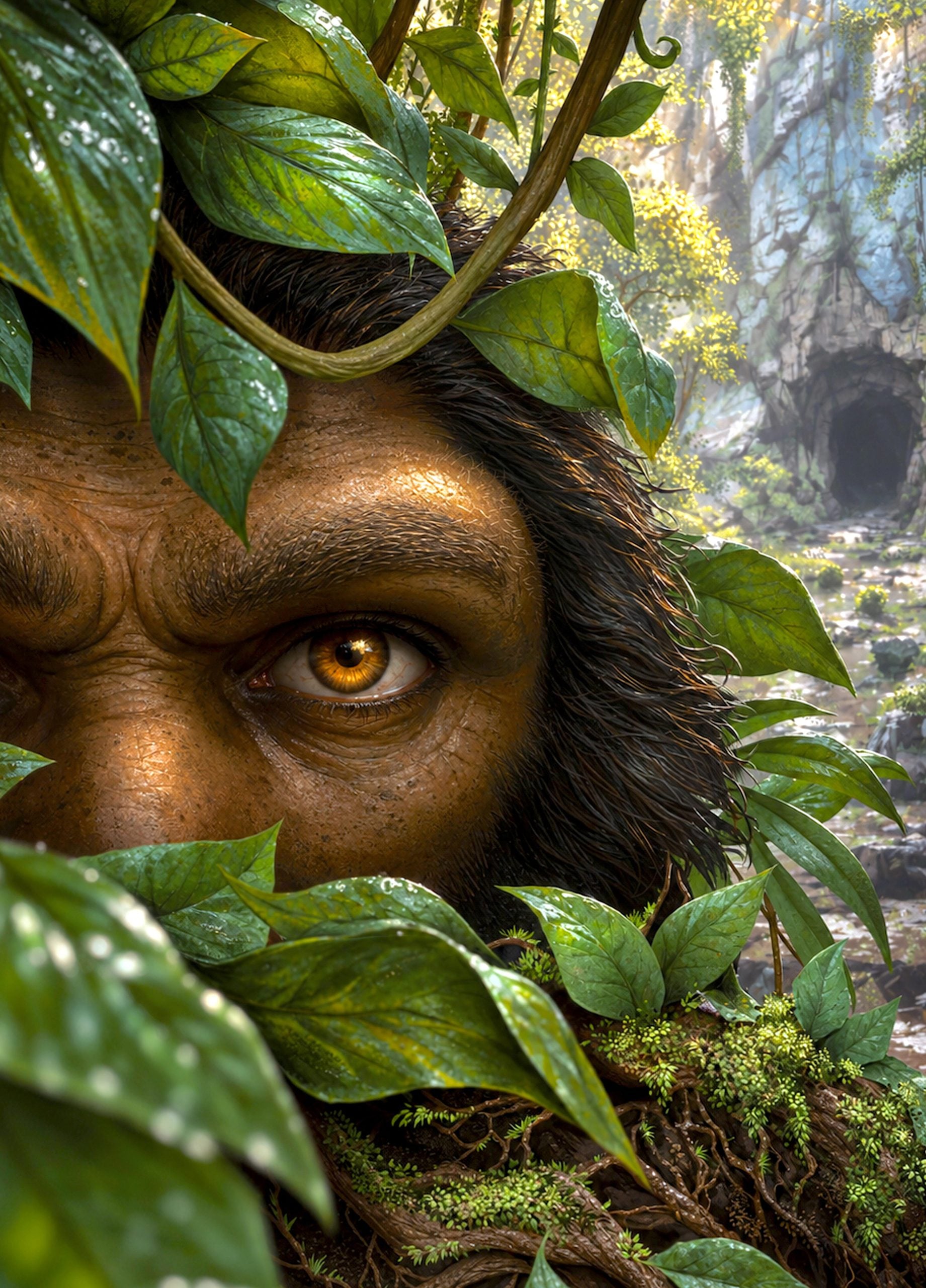
The tropical forests linked to the disappearance of ancient human groups may have sheltered Homo erectus in southern China long after scientists thought the species had vanished.
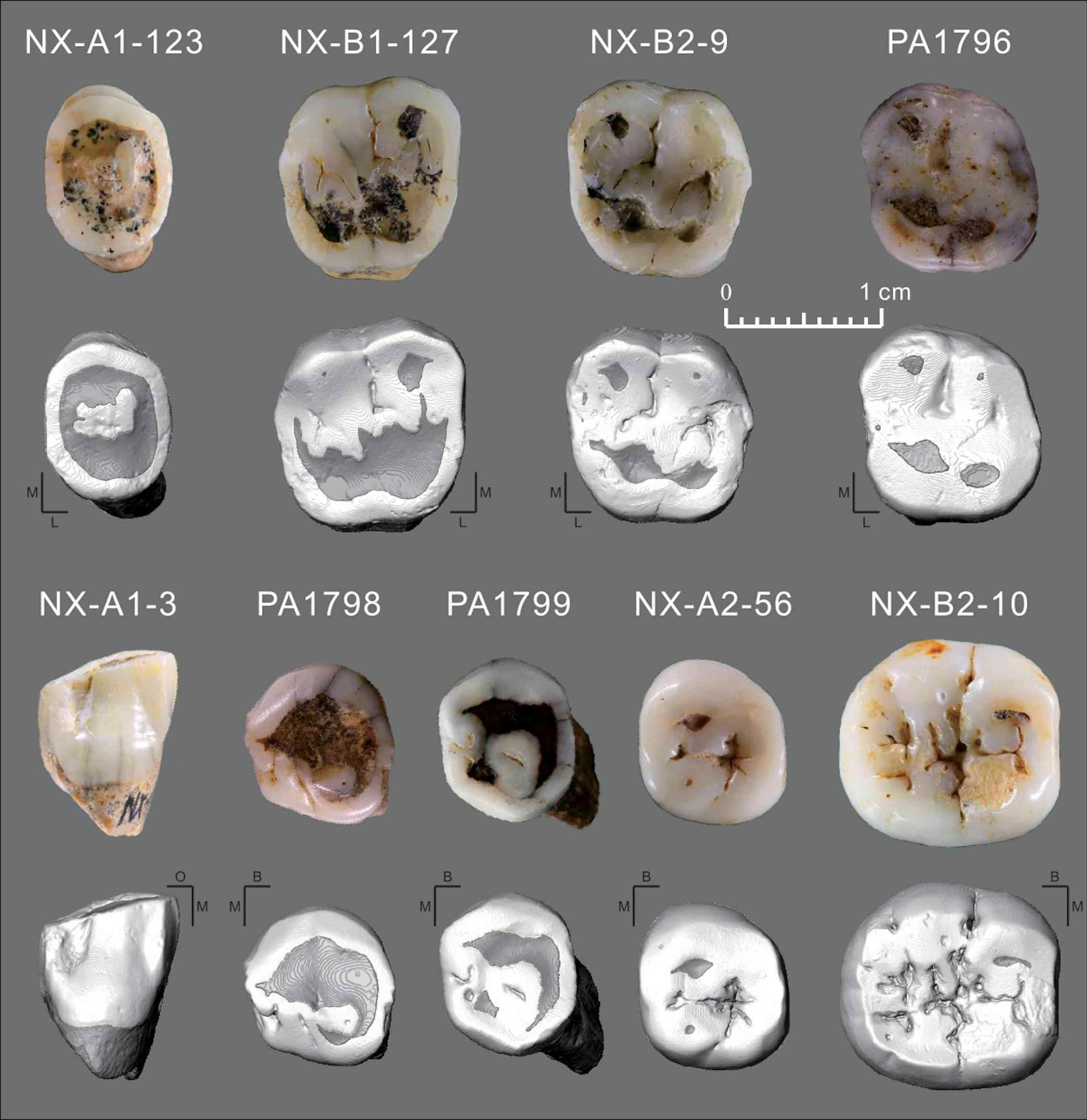
Eight fossil teeth from southern China are challenging long-held assumptions about where Homo erectus could survive. The remains show that these ancient humans were living in dense tropical rainforests between 324,000 and 184,000 years ago, an environment scientists had largely considered beyond their capabilities.
The discovery also pushes back the known timeline of Homo erectus in mainland China, raising new questions about how long the species survived and what ultimately led to its disappearance.
The findings, published in two papers in Nature, come from an international team of Australian, Chinese, and European researchers.
They offer a new look at an ancient human species that survived for nearly two million years and spread from Africa across Asia, reaching China and Java in Indonesia. Despite its extraordinary longevity and geographic range, scientists still have an incomplete understanding of how Homo erectus adapted to different environments and what caused its eventual extinction.
The youngest mainland Chinese fossils
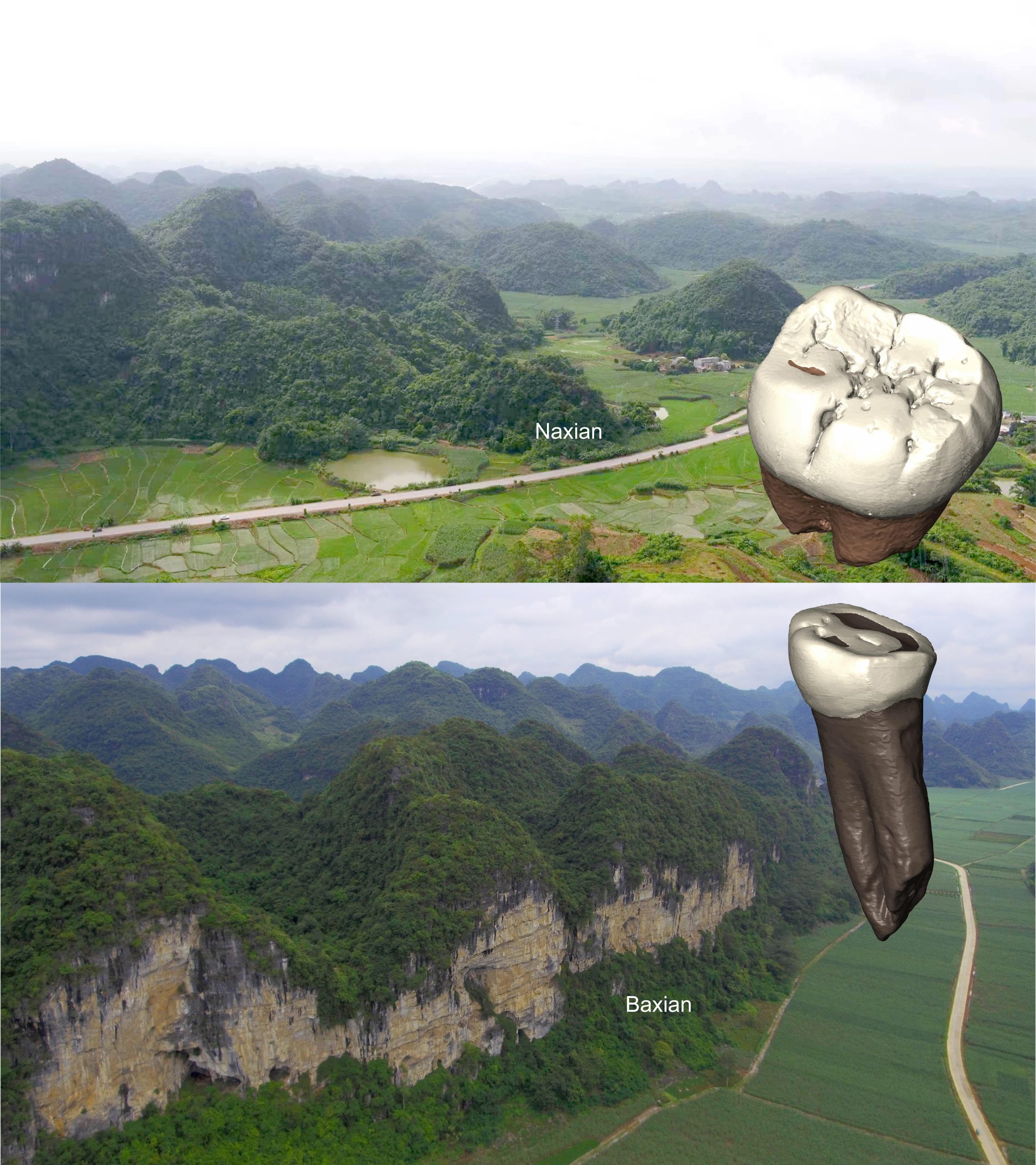
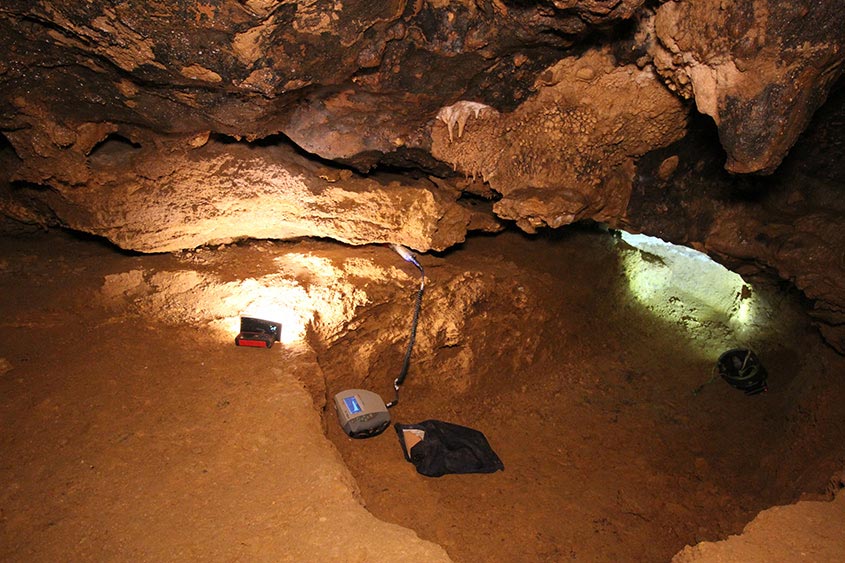
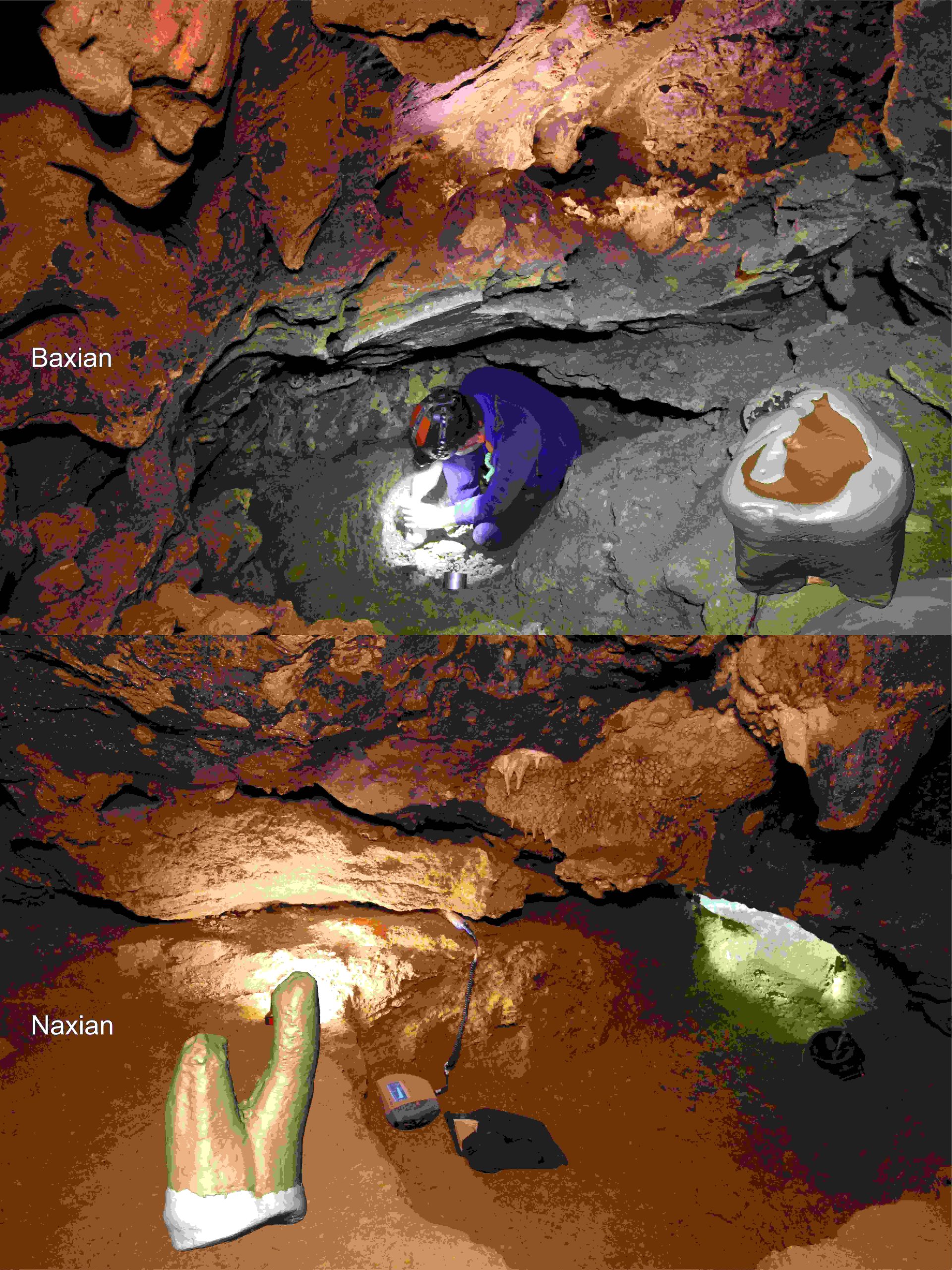
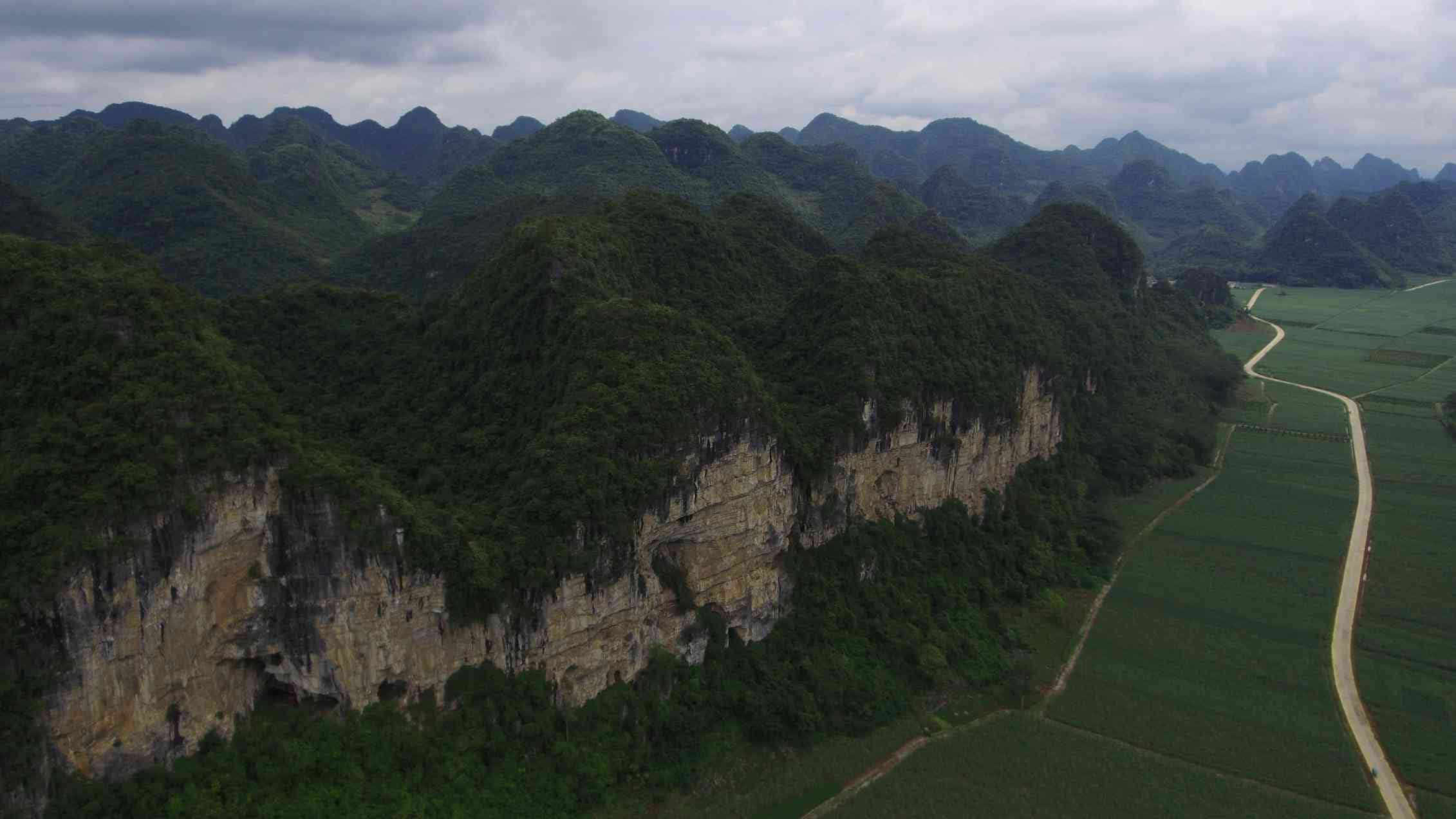
The evidence comes from two caves, Baxian and Naxian, in the karst landscapes of Guangxi province in southern China. Separated by approximately 15 kilometers, the caves sit among steep limestone hills and tropical vegetation. Researchers recovered eight human teeth alongside thousands of animal fossils, providing an opportunity to investigate both the age of the ancient inhabitants and the environment they shared.
The team identified the teeth as belonging to Homo erectus using their physical characteristics and ancient genetic signatures. Five independent dating techniques applied to the teeth, surrounding sediments, and mineral formations placed the remains between 324,000 and 184,000 years old. This makes them the youngest securely dated evidence of Homo erectus in mainland China, showing that the species persisted in the region much later than previously thought.
“This is a fascinating discovery because it confirms the presence of Homo erectus in a location we were not expecting and at a time we hadn’t considered,” said geochronologist and co-lead author Professor Kira Westaway of Macquarie University in Sydney, Australia. “This has huge implications for the timeline of Homo erectus as we attempt to understand the causes of its extinction.”
Tooth chemistry traces habitat and movement
The teeth also revealed what life was like in this unexpected habitat. Chemical traces preserved in tooth enamel reflect the food and water consumed during an individual’s lifetime, allowing researchers to reconstruct aspects of ancient environments. Analyses of both human and animal teeth pointed to a dense tropical rainforest ecosystem, rather than the open grasslands and woodland savannas typically associated with Homo erectus.
“Teeth can record the environments in which animals and humans lived,” said Dr. Nicolas Bourgon of the Max Planck Institute of Geoanthropology in Jena, Germany. “In this case, the animal teeth and the Homo erectus teeth are telling the same story – these individuals were part of a rainforest ecosystem.”
Chemical evidence from the human teeth also provided clues about where these individuals grew up. Researchers examined strontium in the enamel, an element whose chemical signature reflects the geology of the surrounding landscape. Some individuals appeared to have spent their childhoods moving through forested karst regions well beyond the immediate cave area, rather than remaining in one small locality.
“Some of the chemical signatures in the fossil teeth point well beyond the immediate cave region, potentially towards northern Vietnam and mainland Southeast Asia,” said Professor Renaud Joannes-Boyau of Southern Cross University in Lismore, co-lead author of the study. “This suggests these humans were far more mobile than previously recognized, moving across surprisingly large distances through a complex rainforest landscape.”
Rainforest survival complicates extinction theories
The evidence adds complexity to the relationship between rainforest expansion and the disappearance of ancient human populations. The spread of tropical forests across Southeast Asia has been linked to the loss of some human groups outside Homo sapiens. Dense rainforests can make finding food, traveling, and surviving difficult, leading researchers to question whether these environments contributed to the disappearance of other ancient human populations.
However, the southern China fossils show that Homo erectus could occupy these challenging habitats, complicating assumptions about its environmental limitations.
“These findings change how we think about Homo erectus,” said paleontologist Professor Yingqi Zhang, from the Institute of Vertebrate Paleontology and Paleoanthropology at the Chinese Academy of Sciences. “Finding Homo erectus evidence for the first time amongst a rainforest fauna challenges all our assumptions about their ability to adapt to environmental changes.”
The discovery also provides the first clear, direct evidence of another hominin living in rainforest environments, adding to what scientists know about the habitats occupied by ancient human relatives. Evidence for rainforest adaptation has increasingly emerged for Homo sapiens, which occupied rainforests around the world between 100,000 and 13,000 years ago.
“While there has been growing recognition that our own species, Homo sapiens, adapted to rainforests around the world between 100,000 and 13,000 years ago, this is the first clear, direct evidence we have for another hominin living within these habitats,” said Professor Patrick Roberts of the Max Planck Institute of Geoanthropology in Germany.
The findings establish southern China as an important refuge for late Homo erectus populations. They also leave scientists with a more complicated picture of the species’ final chapters, as its presence in mainland Asia lasted longer and extended into environments that researchers had not previously considered part of its range.
References:
“Rainforest adaptation in late Homo erectus from southern China” by K. E. Westaway, R. Joannes-Boyau, W. Liao, Q. Shao, W. Yu, M. Quinn, A.-M. Bacon, H. Liang, N. Bourgon, J.-x. Zhao, P. Roberts, R. Kono, Y. Pan, L. Yang, Y. Wang, C. Jin, Z. Wu, S. Murray, C. Zanolli, F. Demeter, F. Welker, R. D. Ásmundsdóttir, Q. Fu, V. Balter, W. Wang and Y. Zhang, 18 November 2026, Nature.
DOI: 10.1038/s41586-026-11155-6
“Evidence for late Middle Pleistocene Homo erectus in mainland East Asia” by Wei Liao, Clément Zanolli, Ragnheiður Diljá Ásmundsdóttir, Zhongyou Wu, Zhixing Yi, Viridiana Villa-Islas, Zandra Fagernäs, Gaudry Troché, Kai Zhou, Xiaotian Feng, Feng Liu, Jesper V. Olsen, Qingfeng Shao, Wenjing Yu, Molly Quinn, Anne-Marie Bacon, Hua Liang, Yue Pan, Liyun Yang, Reiko T. Kono, Yaobin Fan, Yanyan Yao, Yingqi Zhang, Yuan Wang, Changzhu Jin, Kira E. Westaway, Renaud Joannes-Boyau, Fabrice Demeter, Wei Wang, Qiaomei Fu and Frido Welker, 18 November 2026, Nature.
DOI: 10.1038/s41586-026-11271-3
Funding: Australian Research Council, Chinese Academy of Sciences, Esherick-Ye Family Foundation, Max-Planck-Institut für Evolutionäre Anthropologie, National Social Science Fund of China
Never miss a breakthrough: Join the SciTechDaily newsletter.
Follow us on Google and Google News.