
Close Menu
    Facebook X (Twitter) Instagram
    SciTechDaily
    • Biology
    • Chemistry
    • Earth
    • Health
    • Physics
    • Science
    • Space
    • Technology
    Facebook X (Twitter) Pinterest YouTube RSS
    SciTechDaily
    Home»Science»Extinct Animals From the Pleistocene Discovered in Mexico
    Science

    Extinct Animals From the Pleistocene Discovered in Mexico

    By SciTechDailySeptember 26, 20121 Comment2 Mins Read
    Facebook Twitter Pinterest Telegram LinkedIn WhatsApp Email Reddit
    Share
    Facebook Twitter LinkedIn Pinterest Telegram Email Reddit
    megafaune-pleistocene-mexico
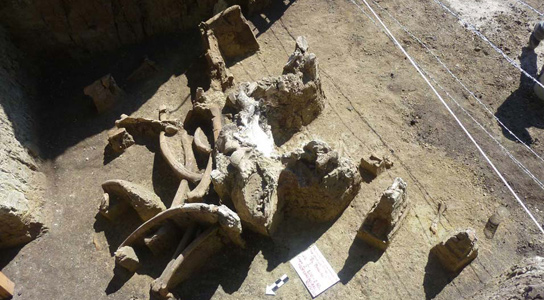
    Workers in Atotonilco de Tula, Hidalgo state, discovered hundreds of bones, including those of mammoths, mastodons, and glyptodons from the final stages of the Pleistocene period.

    More than a hundred bones of animals, some of which could be of human origin from the final stages of the Pleistocene period, were found in the Atontonilco de Tula, Hidalgo scattered within an area of 100 acres (0.4 square kilometers), between 7 and 10 meters (23 and 33 feet) in depth.

    The discovery was made during the construction of a water treatment plant. Archaeologists from the National Institute of Archeology and History (INAH) in Conaculta rescued the bones. The exact types of bones can be categorized as ribs, vertebrae, craniums, jawbones, fangs, horns, and shells. Some of the remains were up to 1.6m (5ft) in length.
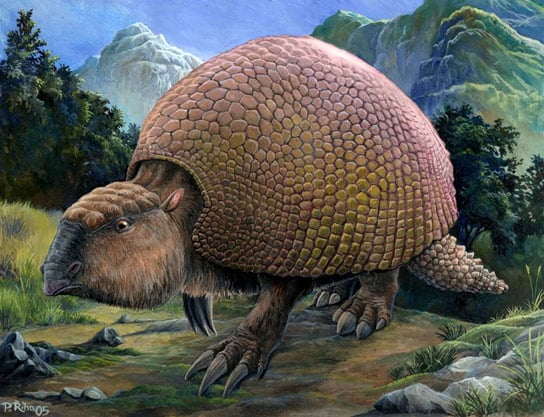
    glyptodon

    The bones include remains of extinct animals, such as the glyptodon, mastodon, mammoth, and animals that are alive today, like deer, horses, and camels. There are other yet unidentified bones and two stone tools of the same epoch were discovered.

    The salvage of these remains took several months, resulting in the most varied and numerous find of extinct megafauna remains in Cuenca de Mexico. This find will enable archaeologists to quantify the animals that lived in this part of Mexico, 10,000 to 12,000 years ago.

    Never miss a breakthrough: Join the SciTechDaily newsletter.
    Follow us on Google and Google News.

    Archaeology Fossils Mexico Pleistocene
    Share. Facebook Twitter Pinterest LinkedIn Email Reddit

    Related Articles

    Scientists Discover Fossils of a Giant Extinct Burrowing Bat in New Zealand

    Archaeologists Discover Oldest Known Funereal Fish Hooks

    Newly Discovered Fossils Reveal Man’s Earliest Ancestors

    Wolf-Sized Prehistoric Otter Had a Surprisingly Powerful Bite

    Scientists Reveal a New Species of Dinosaur

    400,000 Year Old Fossil Helps Shed New Light on Human Evolution

    Exceptionally Preserved Brain Discovered Inside Waterlogged Pit

    Ash Preserved Fossils of Rangeomorphs Discovered in Newfoundland

    27-Foot Long Crocodylus Thorbjarnarsoni Roamed Kenya

    1 Comment

    1. Donna Hehir on April 27, 2025 5:47 am

      Awesome information!
      Thank you

      Reply
    Leave A Reply Cancel Reply

    • Facebook
    • Twitter
    • Pinterest
    • YouTube

    Don't Miss a Discovery

    Subscribe for the Latest in Science & Tech!

    Trending News

    Breakthrough Parkinson’s Drug Targets Disease at Its Genetic Roots

    Just 4 Weeks of Simple Diet Changes Reversed Signs of Aging in Older Adults

    Scientists May Have Finally Solved Why Humans Are Right-Handed

    NASA’s Hubble Accidentally Witnesses a Comet Shattering in Space

    Researchers Discover the Body’s Hidden “Off Switch” for Inflammation

    Scientists Discover Metformin Doesn’t Work the Way We Thought

    Tea or Coffee? Your Daily Choice Could Affect Osteoporosis Risk

    Vitamin C May Fight Cancer in a Surprising Way

    Follow SciTechDaily
    • Facebook
    • Twitter
    • YouTube
    • Pinterest
    • Newsletter
    • RSS
    SciTech News
    • Biology News
    • Chemistry News
    • Earth News
    • Health News
    • Physics News
    • Science News
    • Space News
    • Technology News
    Recent Posts
    • Scientists Unravel the Mystery of Angola’s Giant “Ghost Elephants”
    • Ancient DNA Shatters the Simple Story of Europe’s Origins
    • Scientists Say a 59,000-Year-Old Neanderthal Tooth Shows Evidence of Surgery
    • Scientists Stunned by Hybrid California Bees That Beat Deadly Mites
    • Scientists Discover Terrifying Giant Crocodile That Hunted Human Ancestors
    Copyright © 1998 - 2026 SciTechDaily. All Rights Reserved.
    • Science News
    • About
    • Contact
    • Editorial Board
    • Privacy Policy
    • Terms of Use

    Type above and press Enter to search. Press Esc to cancel.