
The reintroduction of sea otters in Central California significantly slows erosion, offering a promising, low-cost approach to coastal ecosystem conservation.
In a groundbreaking study published today in Nature, scientists reveal that the return of sea otters to their former habitat in a Central California estuary has slowed erosion of the area’s creekbanks and marsh edges by up to 90%.
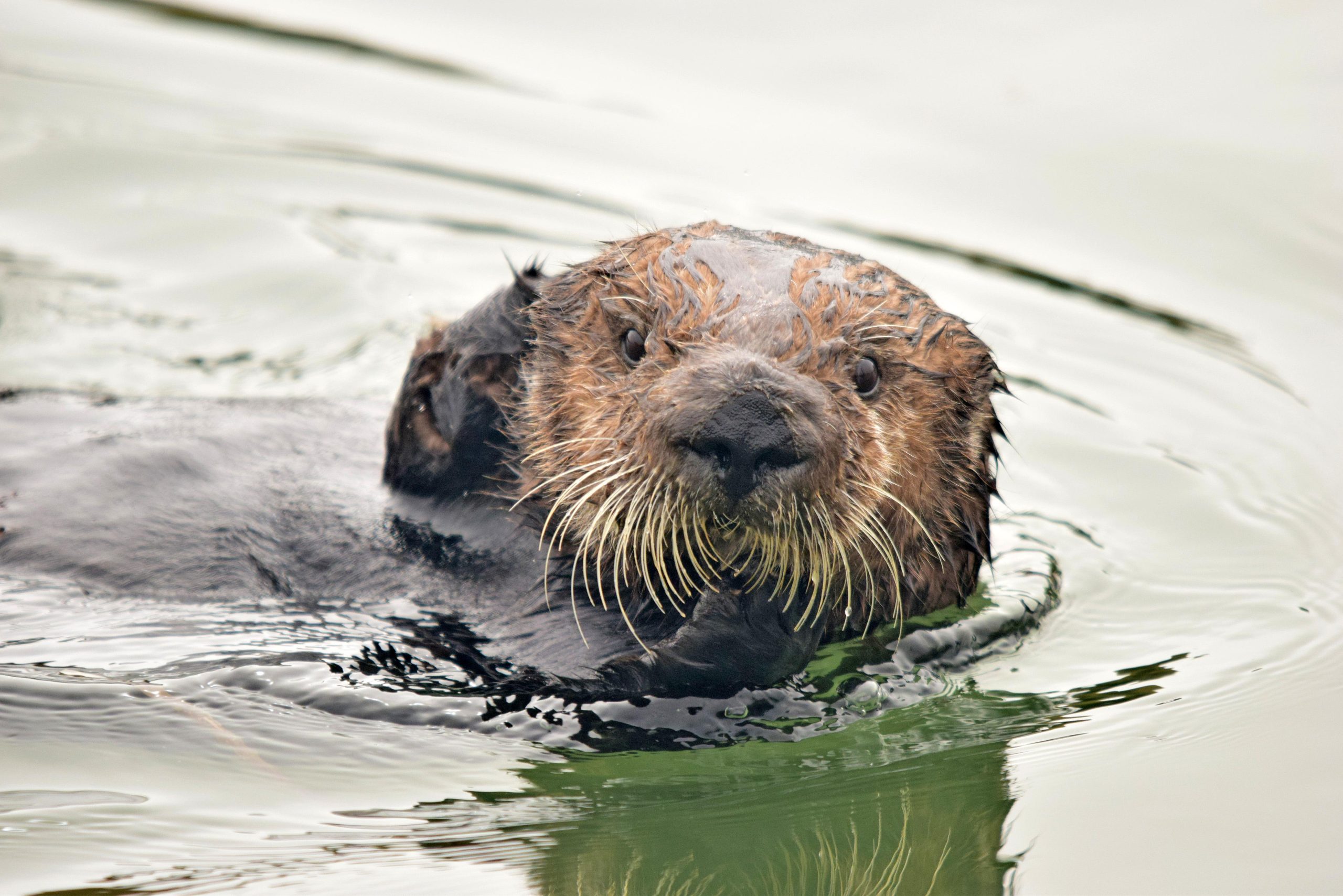
The resurgence of these charismatic marine mammals — also some of the habitat’s top predators — to the saltmarsh-dominated Elkhorn Slough in Monterey County sparks hope in those dedicated to improving the health of our coastal ecosystems and marks a significant ecological success story.
“This is a solutions-oriented paper that tells us there are manageable actions we can take to produce positive results,” said Christine Angelini, Ph.D., one of the study’s authors and director of the Center for Coastal Solutions at the University of Florida. “In this instance, restoring the otter population was achievable without significant effort, and as a result, we are now unlocking several decades of benefits from that one act of conservation.”
The Role of Sea Otters in Ecosystem Stability
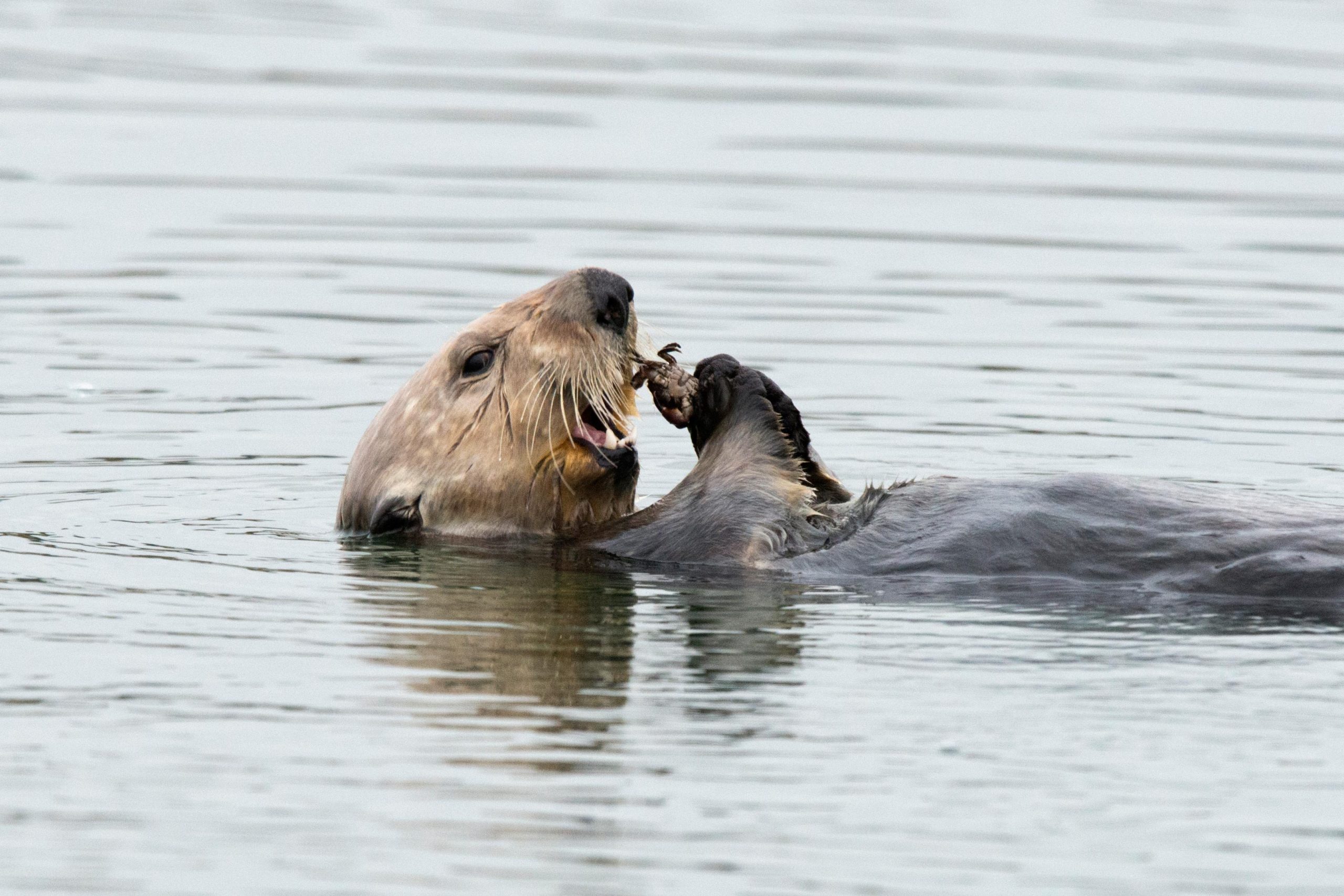
Findings show that the erosion of creekbanks and marsh edges in areas with large otter populations has slowed, mainly because of the sea otters’ insatiable appetite for plant-eating marsh crabs and at a time when rising sea levels, elevated nutrients, and stronger tidal currents should be causing the opposite effect.
“It would cost tens of millions of dollars for humans to rebuild these creekbanks and restore these marshes. The sea otters are stabilizing them for free in exchange for an all-you-can-eat crab feast,” said senior author Brian Silliman, Ph.D., Rachel Carson Distinguished Professor of Marine Conservation Biology at Duke University’s Nicholas School of the Environment.
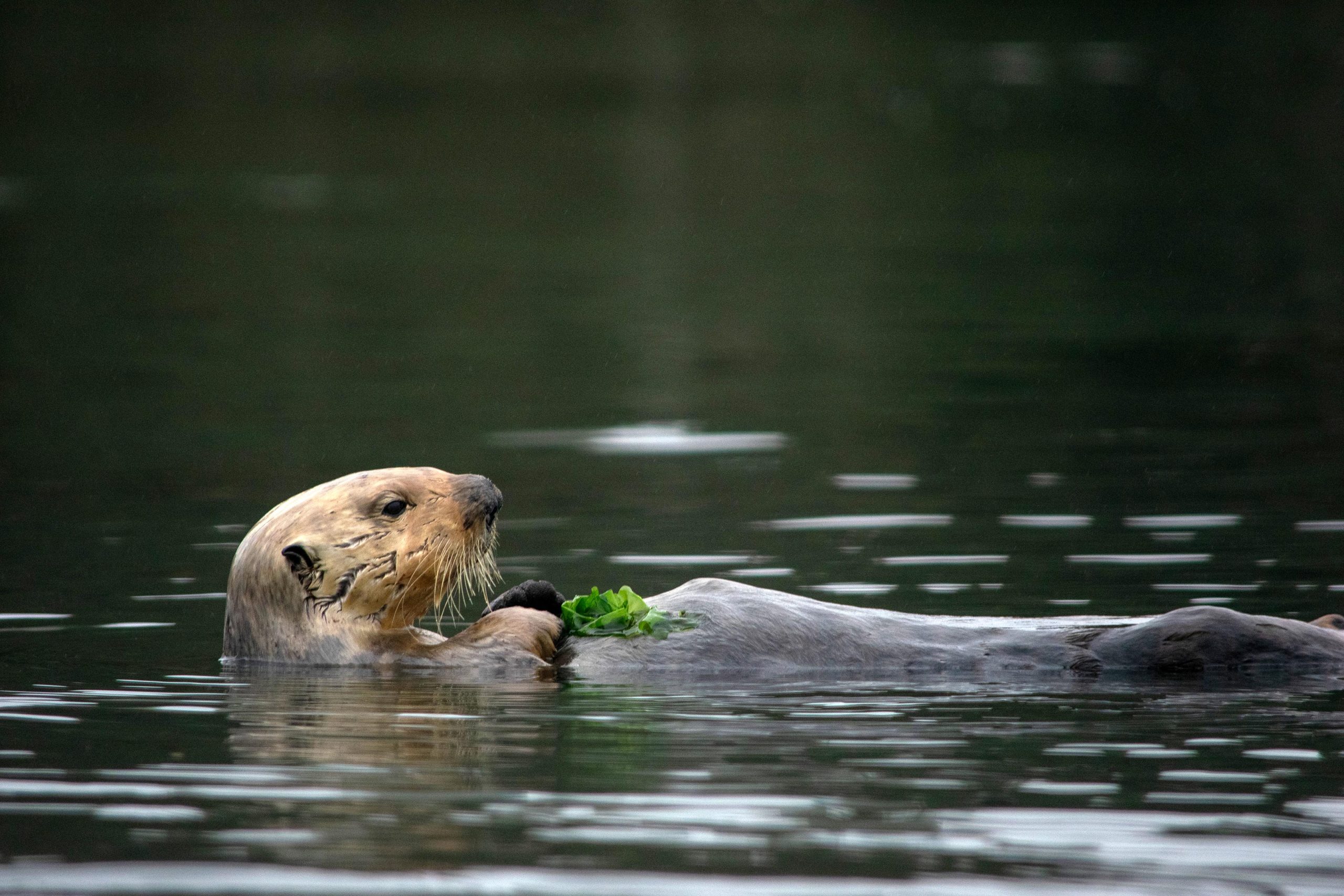
A sea otter foraging in the creek banks near experimental cages in Elkhorn Slough, Monterey Bay, California, USA. Credit: Brent Hughes
By documenting for the first time that reintroducing top predators to their former habitat can bring stability to a collapsing ecosystem, researchers raise the question: Could similar results be achieved in ecosystems worldwide?
“Reintroducing the sea otters didn’t reverse the losses, but it did slow them to a point that these systems could restabilize despite all the other pressures they are subject to,” said the study’s lead author Brent Hughes, Ph.D., associate professor of biology at Sonoma State University. “That suggests this could be a very effective and affordable new tool for our conservation toolkit.”
Conservation Implications and Research Methodology
Angelini said that tool is an encouraging sign for her and colleagues as they confront similar threats to Florida’s coastlines from sea level rise, intense storms, and excess nutrients spilling into coastal waters.
“All these challenges can feel unsurmountable,” Angelini said. “This study indicates to us that, if we truly understand the ecosystem and know what levers to pull, we can see significant benefits to the health and stability of these systems.”

To understand the impact the sea otters were having on the landscape, researchers conducted large-scale surveys across 13 tidal creeks, as well as small-scale field experiments at five locations around the estuary over a six-year period. Otters were excluded from some test sites but allowed to recolonize others, using a caging system designed by Angelini.
“As a graduate student in biology at UF, I had been setting up these types of cages and manipulating access to predators and their prey in salt marshes all over the Southeastern U.S., so I had the skill set,” Angelini said. “I’ll never forget building all the cages in the parking lot of the estuary out in California. And all these years later, we now see these amazing results.
“It’s an uplifting story about the benefits of conservation and persistent, long-term research.”
For more on this study, see Sea Otters Lead the Charge in Estuary Restoration.
Reference: “Top-Predator Recovery Abates Geomorphic Decline of a Coastal Ecosystem” by Brent B. Hughes, Kathryn M. Beheshti, M. Tim Tinker, Christine Angelini, Charlie Endris, Lee Murai, Sean C. Anderson, Sarah Espinosa, Michelle Staedler, Joseph A. Tomoleoni, Madeline Sanchez and Brian R. Silliman, 31 January 2024, Nature.
DOI: 10.1038/s41586-023-06959-9
Never miss a breakthrough: Join the SciTechDaily newsletter.
Follow us on Google and Google News.