
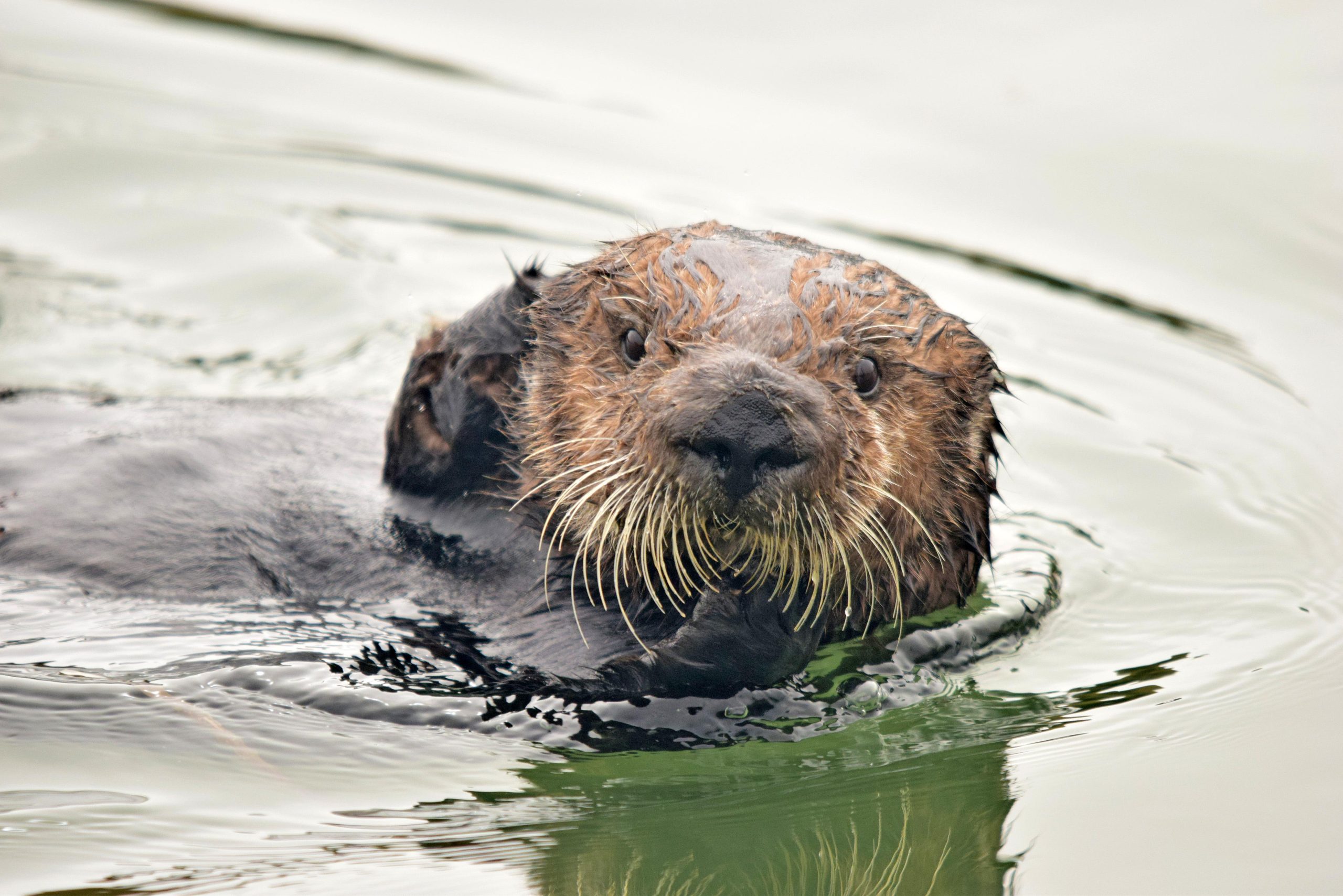
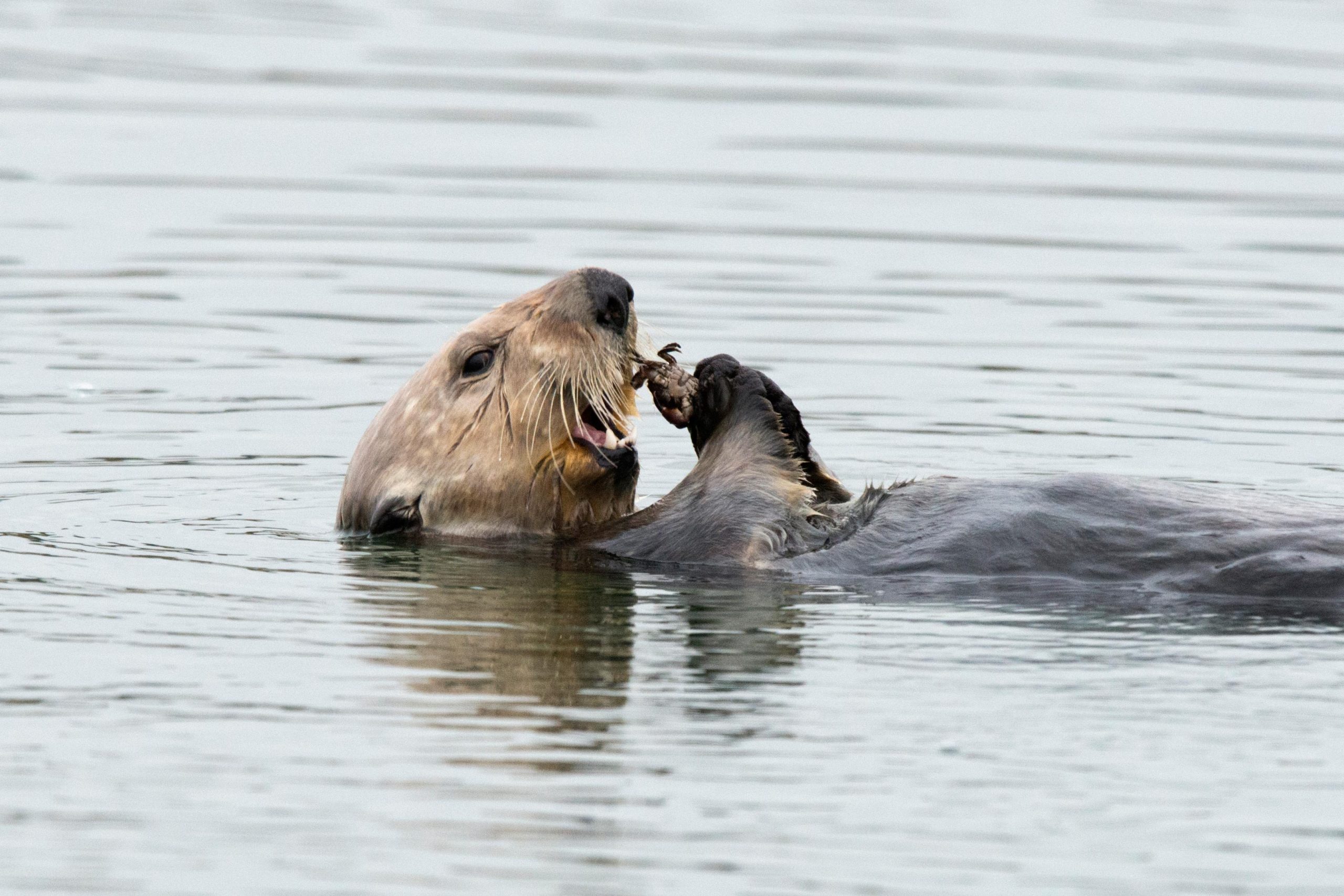
Otters prey on crabs, giving shoreline plants a chance to spread their roots,
In the several decades since sea otters began to recolonize their former habitat in Elkhorn Slough, a salt marsh-dominated coastal estuary in central California, remarkable changes have occurred in the landscape.
Erosion of creekbanks and marsh edges in areas with large otter populations has slowed by up to 90%, at a time when rising sea levels and stronger tidal currents should be causing the opposite effect. As erosion slows, marsh and streamside vegetation is rebounding and putting down densely matted root systems that can increasingly stand firm against flooding, or surging waves.
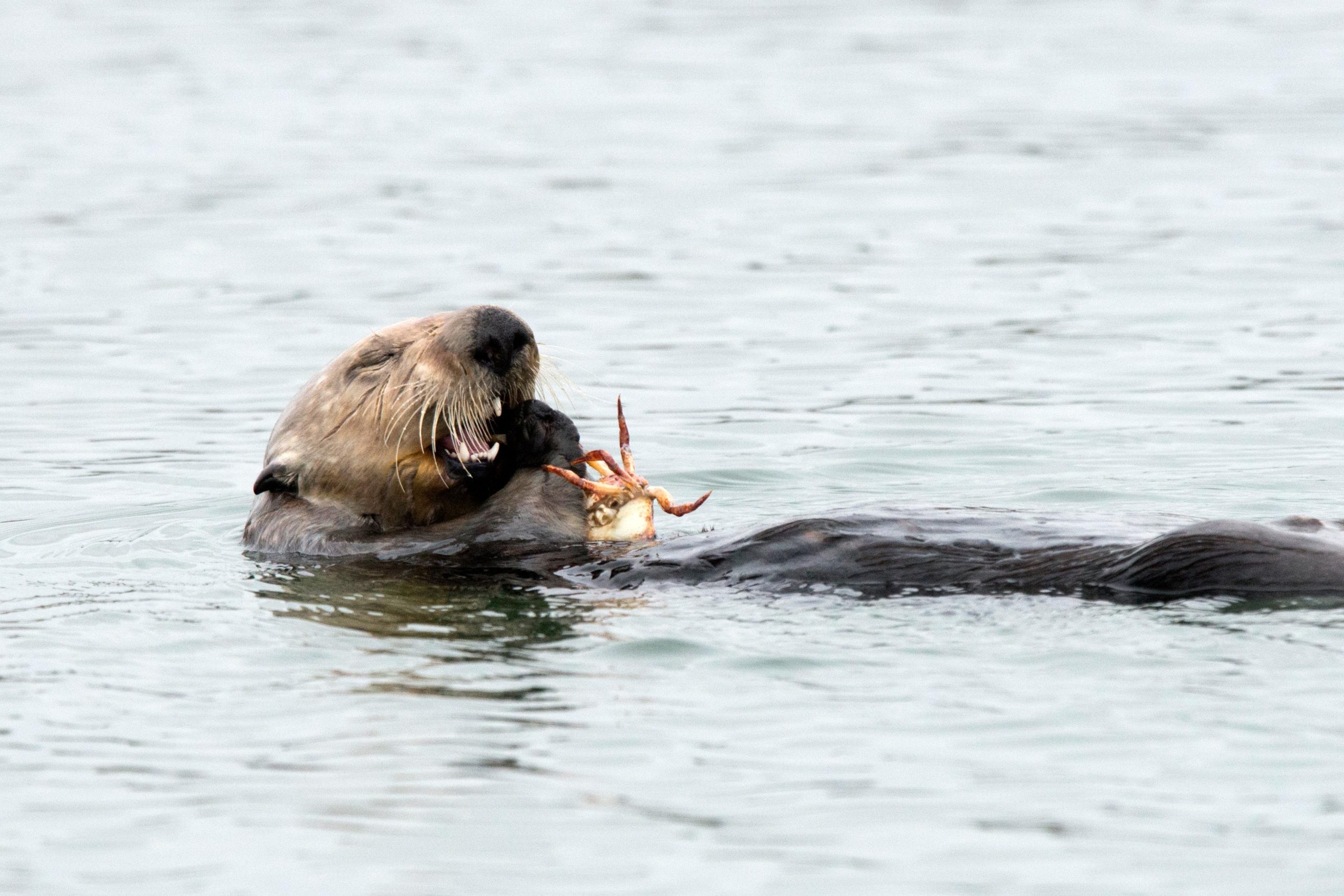
The Role of Sea Otters in Ecosystem Restoration
Against all odds, the biophysical features essential for making the estuary a resilient coastal ecosystem are on the mend — in large part, a study appearing today (January 31) in Nature suggests, because of the sea otters’ insatiable appetite for plant-eating marsh crabs.
“It would cost millions of dollars for humans to rebuild these creekbanks and restore these marshes,” said Brian Silliman, Rachel Carson Distinguished Professor of Marine Conservation Biology at Duke University’s Nicholas School of the Environment, and Director of Duke RESTORE and Duke Wetland and Coasts Center. “The sea otters are stabilizing them for free in exchange for an all-you-can-eat crab feast.”
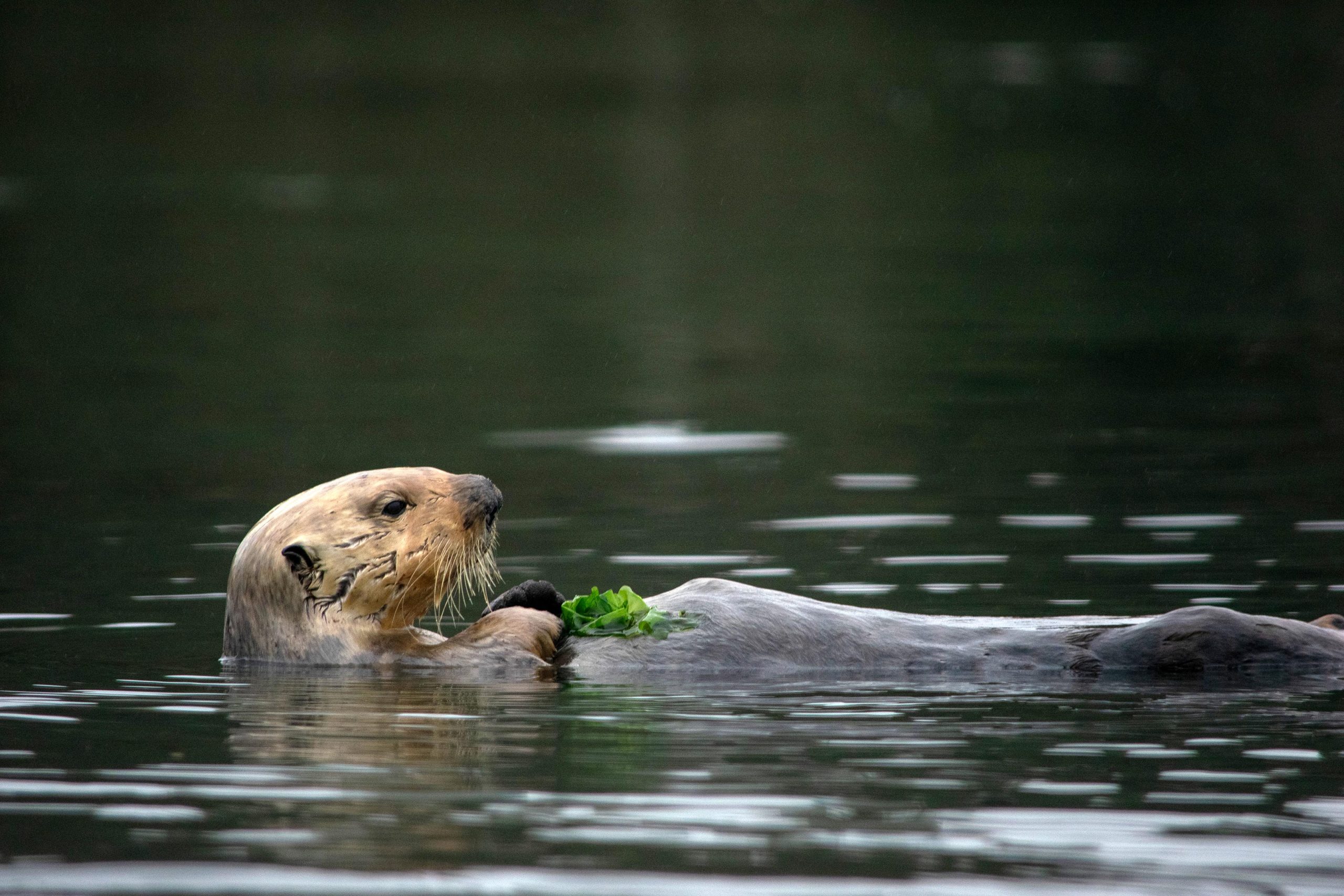
“(Remodeling a coastline) is usually something only large-scale physical forces, like hurricanes or extreme tidal flow changes, can do,” said Silliman, who is the paper’s senior author.
“Our study, which draws on field experiments, modeling, and before-and-after measurements, underscores the far-reaching benefits that can cascade through an ecosystem when a top predator is reintroduced,” Silliman noted. “It begs the question: In how many other ecosystems worldwide could the reintroduction of a former top predator yield similar benefits?”
Historical Context and Experimental Findings
West Coast estuaries were once an important foraging and nursery habitat for sea otters, who found an ample supply of tasty crabs and safe shelter for newborn otter pups in their protective marshes. To stay warm in frigid Pacific Ocean waters, adult otters need to eat about 25% of their body weight—or around 20 to 25 pounds daily—and crabs are one of their favorite meals.
Sea otters had flourished in estuaries like Elkhorn Slough until fur traders hunted the local otter population nearly to extinction. Remaining survivors were driven out by agriculture, development, and other human activities. Elkhorn Slough’s crab population exploded.
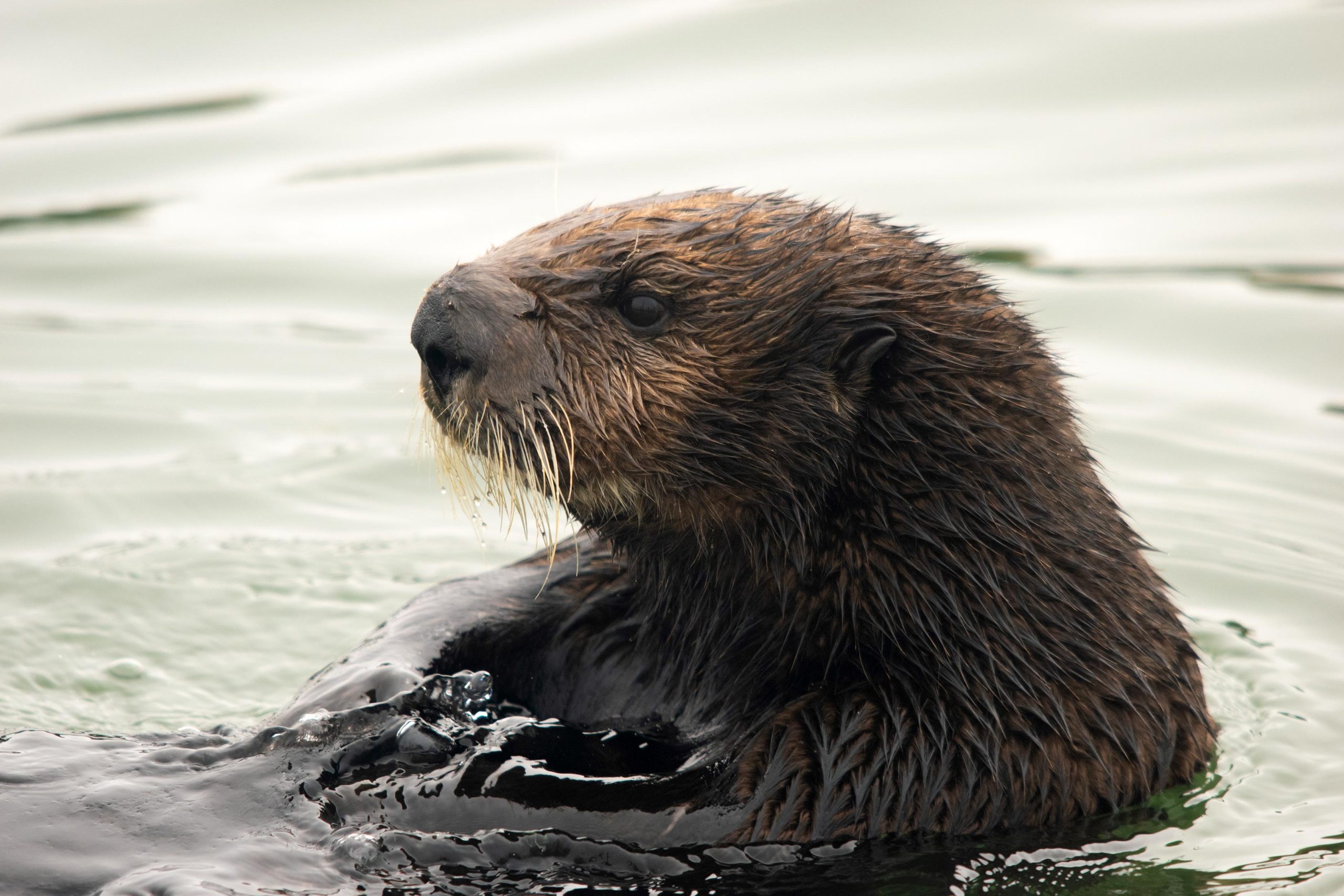
“Crabs eat salt marsh roots, dig into salt marsh soil, and over time can cause a salt marsh to erode and collapse. This had been happening at Elkhorn Slough for decades until sea otters recolonized the estuary in the mid-1980s,” said the new study’s lead author Brent Hughes, associate professor of biology at Sonoma State University and a former postdoctoral scholar in Silliman’s lab at Duke.
“After a few decades, in areas the sea otters had recolonized, salt marshes and creekbanks were becoming more stable again, despite rising sea levels, increased water flow from inland sources, and greater pollution,” Hughes said.
To test what role sea otters were playing in all this, the researchers conducted large-scale surveys across 13 tidal creeks and small-scale field experiments at five locations around the estuary for nearly a decade. Sea otters were excluded from some test sites but allowed to recolonize others. Measurements and observations, collected on the ground and by aerial photography, confirmed that at sites with large populations of otters, erosion had slowed by as much as 80% to 90% by the study’s end, and some marshes were even expanding. Modeled simulations yielded similar outcomes.
“The return of the sea otters didn’t reverse the losses, but it did slow them to a point that these systems could restabilize despite all the other pressures they are subject to,” Hughes said. “That suggests this could be a very effective and affordable new tool for our conservation toolkit.”
Theoretical Implications and New Perspectives
“There are important theoretical implications as well,” Silliman adds. “This work overturns the well-established bottom-up paradigm that coastal geomorphology is governed by interactions between physical forces and plant structure. Our results unequivocally show that predators also play a keystone role in controlling the course of these tidal creeks.”
Reference: “Top-predator recovery abates geomorphic decline of a coastal ecosystem” by Brent B. Hughes, Kathryn M. Beheshti, M. Tim Tinker, Christine Angelini, Charlie Endris, Lee Murai, Sean C. Anderson, Sarah Espinosa, Michelle Staedler, Joseph A. Tomoleoni, Madeline Sanchez and Brian R. Silliman, 31 January 2024, Nature.
DOI: 10.1038/s41586-023-06959-9
Hughes and Silliman conducted the new study with colleagues from Sonoma State, the University of California Santa Cruz, the University of California Santa Barbara, Nhydra Ecological Research, Moss Landing Marine Labs, U.S. Geological Survey, Fisheries and Oceans Canada, Simon Fraser University, California Department of Water Resources, Monterey Bay Aquarium, and the University of Florida.
Funding came from National Science Foundation CAREER grants (1652628 and 1445834) to Hughes and Silliman, respectively, and from the David H. Smith Research Conservation Fellowship, the Cedar Tree Foundation, the Rebecca and Steve Sooy Fellowship in Marine Mammals, the Stolarz Foundation, and the Lenfest Ocean Program.
Never miss a breakthrough: Join the SciTechDaily newsletter.
Follow us on Google and Google News.