
Close Menu
    Facebook X (Twitter) Instagram
    SciTechDaily
    • Biology
    • Chemistry
    • Earth
    • Health
    • Physics
    • Science
    • Space
    • Technology
    Facebook X (Twitter) Pinterest YouTube RSS
    SciTechDaily
    Home»Biology»Unmasking the Immune System’s Secret Role in Brain Damage From Viral Infections
    Biology

    Unmasking the Immune System’s Secret Role in Brain Damage From Viral Infections

    By McMaster UniversityFebruary 5, 2024No Comments3 Mins Read
    Facebook Twitter Pinterest Telegram LinkedIn WhatsApp Email Reddit
    Share
    Facebook Twitter LinkedIn Pinterest Telegram Email Reddit
    Brain Virus Infection Art Concept
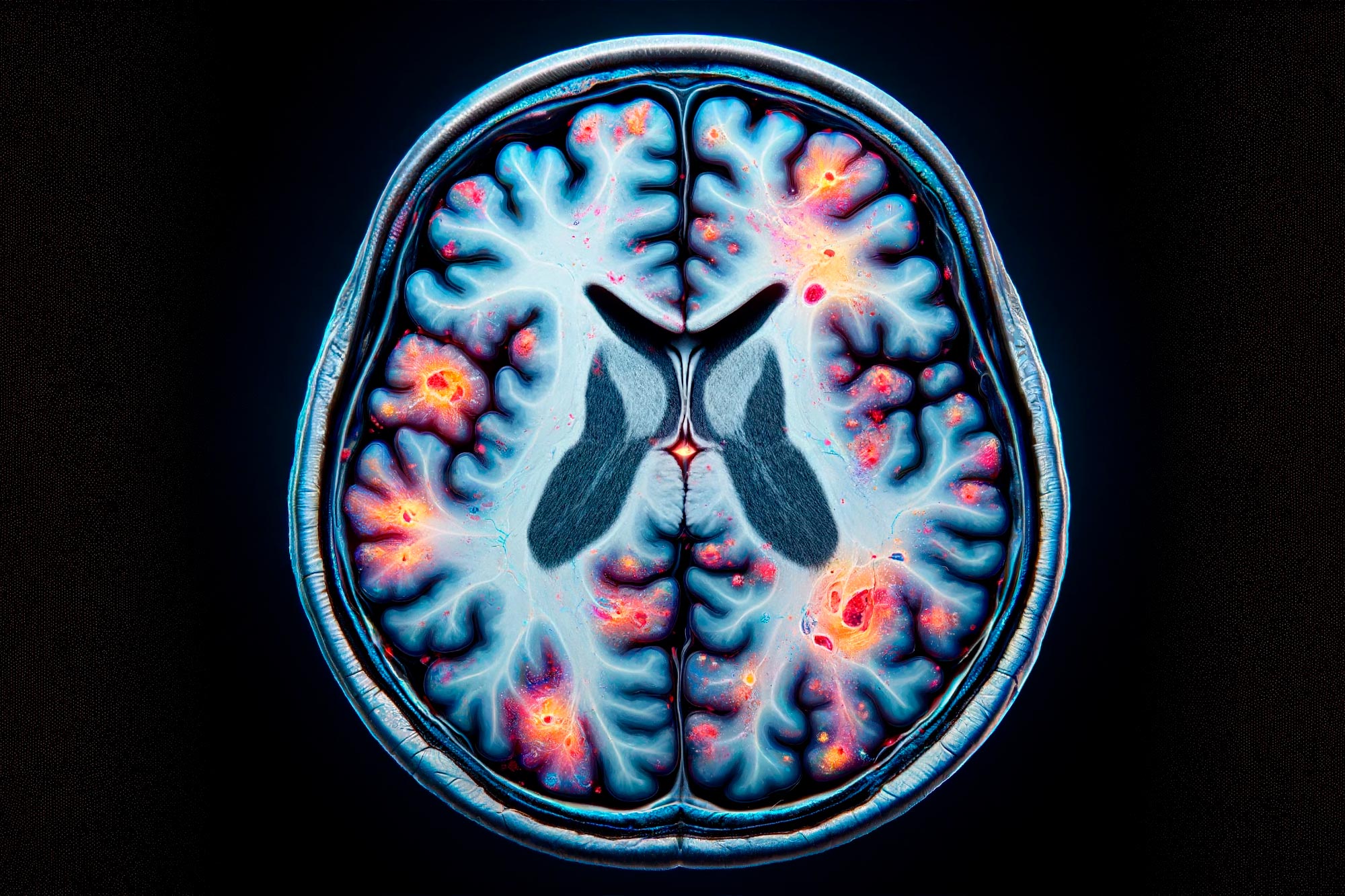
    Recent research has revealed that neurological damage from acute viral infections, like Zika and COVID-19, is caused by the immune system’s response, particularly by a unique population of T cells. This discovery shifts the focus from the viruses to the immune system, offering new avenues for treatment. Credit: SciTechDaily.com

    A new study discovered that T cells, not viruses, are responsible for neurological damage in diseases like Zika and COVID-19, suggesting new treatment strategies.

    For years, there has been a long-held belief that acute viral infections like Zika or COVID-19 are directly responsible for neurological damage, but researchers from McMaster University have now discovered that it’s the immune system’s response that is behind it.

    The research, published today (February 5, 2024) in Nature Communications, was led by Elizabeth Balint, a PhD student at McMaster, and Ali Ashkar, a professor with the Department of Medicine and the Canada Research Chair in Natural Immunity and NK Cell Function.

    The Role of T Cells in Neurological Diseases

    “We were interested in trying to understand why so many viral infections are associated with neurological diseases,” says Balint. “Our evidence suggests that it’s not the virus itself that causes the damage, but a unique population of T cells, which are part of the immune system, that are actually responsible for the damage.”

    To come to this conclusion, the McMaster team focused on Zika virus. During laboratory testing, researchers, as expected, found T cells that were specific for Zika and designed to eliminate infected cells. They found something else, too.

    “What was interesting in our study is that although we did find some T cells specific for Zika, we identified cells that weren’t functioning like a normal T cell and were killing lots of cells that weren’t infected with Zika.”

    These cells are called NKG2D+CD8+ T cells and researchers say their aggressive response is responsible for neurological damage suffered from infections beyond just Zika, like COVID-19 and even septic shock.

    Immune Response and Potential Treatments

    The aggressive response is the result of the body producing large amounts of inflammatory proteins called cytokines, which in moderation help to coordinate the body’s response in battling an infection or injury by telling immune cells where to go and what to do when they arrive.

    “If our body’s immune cells overreact and overproduce inflammatory cytokines, this condition will lead to non-specific activation of our immune cells which in turn leads to collateral damage. This can have severe consequences if it happens in the brain,” Ashkar says.

    The discovery offers researchers and scientists a new target for treatments of neurological diseases sparked by acute viral infections. In fact, Balint has already found a treatment that holds promise.

    “Elizabeth has experimented with an antibody that can completely block and treat devastating neurotoxicity in the animal model, which is already in clinical trials for different uses in humans,” says Ashkar.

    Balint hopes to continue her work towards finding a treatment that would be effective in humans.

    “There are a few different other viruses we’re interested in studying, which will aid us in creating the best treatment options,” Balint says.

    Reference: “Bystander activated CD8+ T cells mediate neuropathology during viral infection via antigen-independent cytotoxicity” by Elizabeth Balint, Emily Feng, Elizabeth C. Giles, Tyrah M. Ritchie, Alexander S. Qian, Fatemeh Vahedi, Amelia Montemarano, Ana L. Portillo, Jonathan K. Monteiro, Bernardo L. Trigatti and Ali A. Ashkar, 5 February 2024, Nature Communications.
    DOI: 10.1038/s41467-023-44667-0

    Funding for this study was provided by the Canadian Institutes of Health Research. Balint is also a recipient of a Canada Graduate Scholarship Doctoral Award.

    Never miss a breakthrough: Join the SciTechDaily newsletter.
    Follow us on Google and Google News.

    Infectious Diseases McMaster University Neuroscience Popular
    Share. Facebook Twitter Pinterest LinkedIn Email Reddit

    Related Articles

    Images of Brain Connectivity Help Predict Intelligence

    Scientists Use Modified Version Rabies to Trace Neural Pathways in the Brain

    PRKCA Gene Links to Post-Traumatic Stress Disorder and Emotional Memory Formation

    PAPupuncture Offers Long-Lasting Pain Relief

    Reactivation of the Hippocampus Causes Memory Recall

    “Area X” of Zebra Finch May Provide Insights to Human Speech Disorders

    DRD2 May Protect Brain Regions from Alcohol-Induced Brain Damage

    Researchers Use FDDNP–PET Scanning to Predict Cognitive Decline

    Neuroscientists Decode Correlation Between Sound and Brain Activity

    Leave A Reply Cancel Reply

    • Facebook
    • Twitter
    • Pinterest
    • YouTube

    Don't Miss a Discovery

    Subscribe for the Latest in Science & Tech!

    Trending News

    Scientists Break 50-Year-Old Bottleneck To Supercharge Cancer Drug Production

    Popular Weight-Loss Drug Wegovy Linked to Sudden Vision Loss

    Extraordinary Fossil Reveals Fatal Duel Between Ocean Titans 80 Million Years Ago

    “Super Bizarre” – Neuroscientists Discover That Adult Brain Is Filled With Millions of “Silent Synapses”

    Simple Brain Training Cuts Dementia Risk Decades Later, Study Finds

    A Simple Injection Could Help the Heart Heal Itself After a Heart Attack

    Scientists Just Discovered a Hidden Freshwater World Beneath the Great Salt Lake

    Why Your Daily Shower Could Be Worsening the Water Crisis

    Follow SciTechDaily
    • Facebook
    • Twitter
    • YouTube
    • Pinterest
    • Newsletter
    • RSS
    SciTech News
    • Biology News
    • Chemistry News
    • Earth News
    • Health News
    • Physics News
    • Science News
    • Space News
    • Technology News
    Recent Posts
    • Just a Few Breathless Minutes a Day Could Slash Your Risk of 8 Major Diseases
    • This Simple Habit Could Cut Your Risk of Dementia by 30%
    • Hundreds of Times Colder Than Outer Space: Scientists Reach Near-Absolute Zero in Dark Matter Hunt
    • Scientists Debunk Rattlesnake Myth That Fooled Hikers and Doctors for Decades
    • This Bizarre Insect Turns Pink to Green in Just 11 Days
    Copyright © 1998 - 2026 SciTechDaily. All Rights Reserved.
    • Science News
    • About
    • Contact
    • Editorial Board
    • Privacy Policy
    • Terms of Use

    Type above and press Enter to search. Press Esc to cancel.