
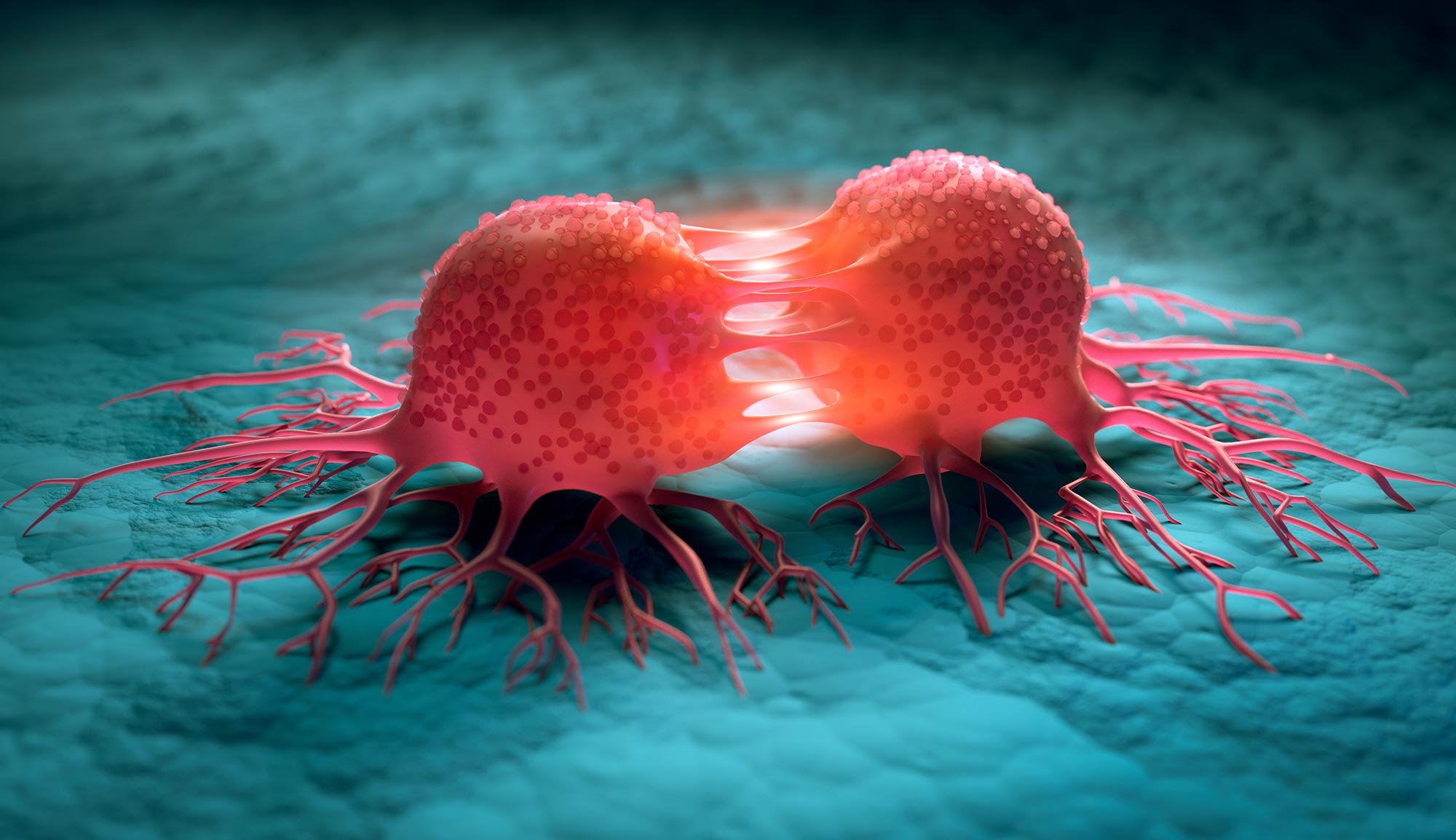
Researchers have discovered that different dietary fats may have dramatically different effects on pancreatic cancer, with some appearing to accelerate tumors while others suppress them.
For years, scientists have linked high-fat diets to cancer risk, usually focusing on how much fat people eat. New research suggests the type of fat may be even more important, especially in pancreatic cancer.
The study, published in Cancer Discovery, found that certain fats can either encourage or suppress pancreatic tumor growth.
“It’s really the type of fat that you’re consuming, not just total fat content,” says Christian Felipe Ruiz, PhD, an associate research scientist in Yale School of Medicine’s Department of Genetics and lead author of the study. “Depending on the type of fat that you consume, it can go completely different ways. We found that some fats promote cancer, as we would expect, while other fats are really good at suppressing cancer.”
Researchers were particularly surprised by oleic acid, the main fatty acid in olive oil. Despite its reputation as a heart-healthy fat, the study found it may speed up tumor growth in pancreatic cancer. “It’s traditionally been considered a healthy type of fat for cardiovascular health,” Ruiz says.
Why Pancreatic Cancer Prevention Matters
Pancreatic ductal adenocarcinoma (PDAC) is one of the deadliest forms of cancer, with only about 13% of patients surviving five years after diagnosis. “More than 65,000 people are expected to be diagnosed with PDAC in the U.S. this year, with over 50,000 deaths,” Ruiz notes. “At the moment, effective treatment options are limited, especially for advanced disease. Therefore, prevention strategies are sorely needed to move the needle on PDAC mortality.”
Although high-fat diets have long been tied to higher PDAC risk, scientists have struggled to explain exactly how dietary fat influences cancer development. The new study, led by Mandar Deepak Muzumdar, MD, associate professor of genetics and internal medicine at Yale School of Medicine, aimed to answer that question.

To compare different fats, researchers tested 12 high-fat diets in mice. Each diet contained the same number of calories but used different fat sources. The diets were designed to reflect common patterns in modern American eating habits.
Scientists Compare Different Dietary Fats
Ruiz says many earlier studies relied on extremely high-fat diets that often used only one type of fat. The most used lard-based diet, in which 60% of calories come from fat, is an approach that does not accurately reflect how most people eat and makes it difficult to isolate the effects of specific fatty acids.
“Exactly what components of dietary fat cause cancer has remained a mystery,” Ruiz adds.
The results revealed major differences between fats. Diets high in oleic acid, a monounsaturated fatty acid (MUFA) found in olive oil, high oleic safflower oil, high oleic sunflower oil, peanuts, and lard significantly accelerated tumor growth in mice genetically prone to developing PDAC. In contrast, diets rich in polyunsaturated fatty acids (PUFAs), especially omega-3 fats found in fish oil, slowed cancer development.
“When we fed mice diets enriched with fish oil, we saw a 50% reduction in disease compared with mice fed a standard fat diet.”
How Oleic Acid Protects Tumors
The researchers then investigated ferroptosis, a form of programmed cell death caused by lipid oxidation. When fatty acids become part of pancreatic cell membranes, their chemical structure affects how vulnerable cells are to oxidative damage. PUFAs oxidize more easily, making cancer cells more likely to undergo ferroptosis and die. MUFAs are more resistant to oxidation, helping cancer cells survive.
“Monounsaturated fats really protect the cancer cells from lipid oxidation,” Ruiz explains. “Because oxidation is reduced, they’re less likely to undergo ferroptosis.”
The team found a direct relationship between fat balance and tumor growth. “When we increased the ratio of MUFAs to PUFAs in the diet, disease burden increased. Conversely, when we decreased the ratio, disease burden was reduced.”
The study also uncovered differences between male and female mice. Oleic acid promoted tumor growth mainly in males, while females showed little effect. Meanwhile, PUFAs reduced cancer development in both sexes. Ruiz says the findings support growing evidence that sex can influence how metabolism affects cancer growth and should be studied further.
Future Implications for Diet and Cancer Prevention
Although the findings have not yet been confirmed in humans, the results may be especially relevant for people at higher risk of pancreatic cancer, including those with chronic pancreatitis, obesity, late-onset diabetes, or a family history of the disease.
“One of the most common questions clinicians get is, ‘What can I change in my diet to prevent cancer?’” Ruiz says. “Right now, we don’t have clear answers, but this study begins to shed light on how we might address that question.”
Researchers now plan to study whether changing dietary fat composition could help patients with existing tumors and whether the balance of MUFAs to PUFAs in blood could eventually serve as an early warning sign for pancreatic cancer risk.
Reference: “Diet-induced phospholipid remodeling dictates ferroptosis sensitivity and tumorigenesis in the pancreas” by Christian Felipe. Ruiz, Xiangyu Ge, Rylee McDonnell, Sherry S. Agabiti, Daniel C. McQuaid, Andy Tang, Meera Kharwa, Jennifer Goodell, Rocio del M. Saavedra-Pena, Allison Wing, Guangtao Li, Natasha Pinto. Medici, Marie E. Robert, Rohan R. Varshney, Michael C. Rudolph, Fred S. Gorelick, John Wysolmerski, Daniel Canals, John D. Haley, Matthew S. Rodeheffer and Mandar Deepak. Muzumdar, 29 April 2026, Cancer Discovery.
DOI: 10.1158/2159-8290.CD-25-0734
The research reported in this news article was supported by the National Institutes of Health (awards T32CA193200, R01CA27610803S1, 5T32GM007205, T32CA193200, R01DK090489, R01DK126447, DP2CA248136, P30CA016359, and R01CA276108) and Yale University. The content is solely the responsibility of the authors and does not necessarily represent the official views of the NIH. Additional support was provided by the Ford Foundation, National Science Foundation, Yale Stem Cell Center, American Association for Cancer Research, Veterans Administration, Women’s Health Research at Yale, Damon Runyon-Rachleff Research Foundation, Yale Cancer Center, and Lustgarten Foundation.
Never miss a breakthrough: Join the SciTechDaily newsletter.
Follow us on Google and Google News.
2 Comments
Morning,
Great Read for Cancer Patients! Thank You
I read this entire article and didn’t find–Should I eat a cheeseburger?
I find this hideously annoying in the SciTech writing. They tease your brain to get you to read the whole article, unlike proper journalism that tries to get the pertinent fact in the first couple paragraphs, so that people in a hurry can get the FACTS.
SciTechDaily needs to change their writing style.