

A simple pill may be the latest breakthrough in the fight against malaria.
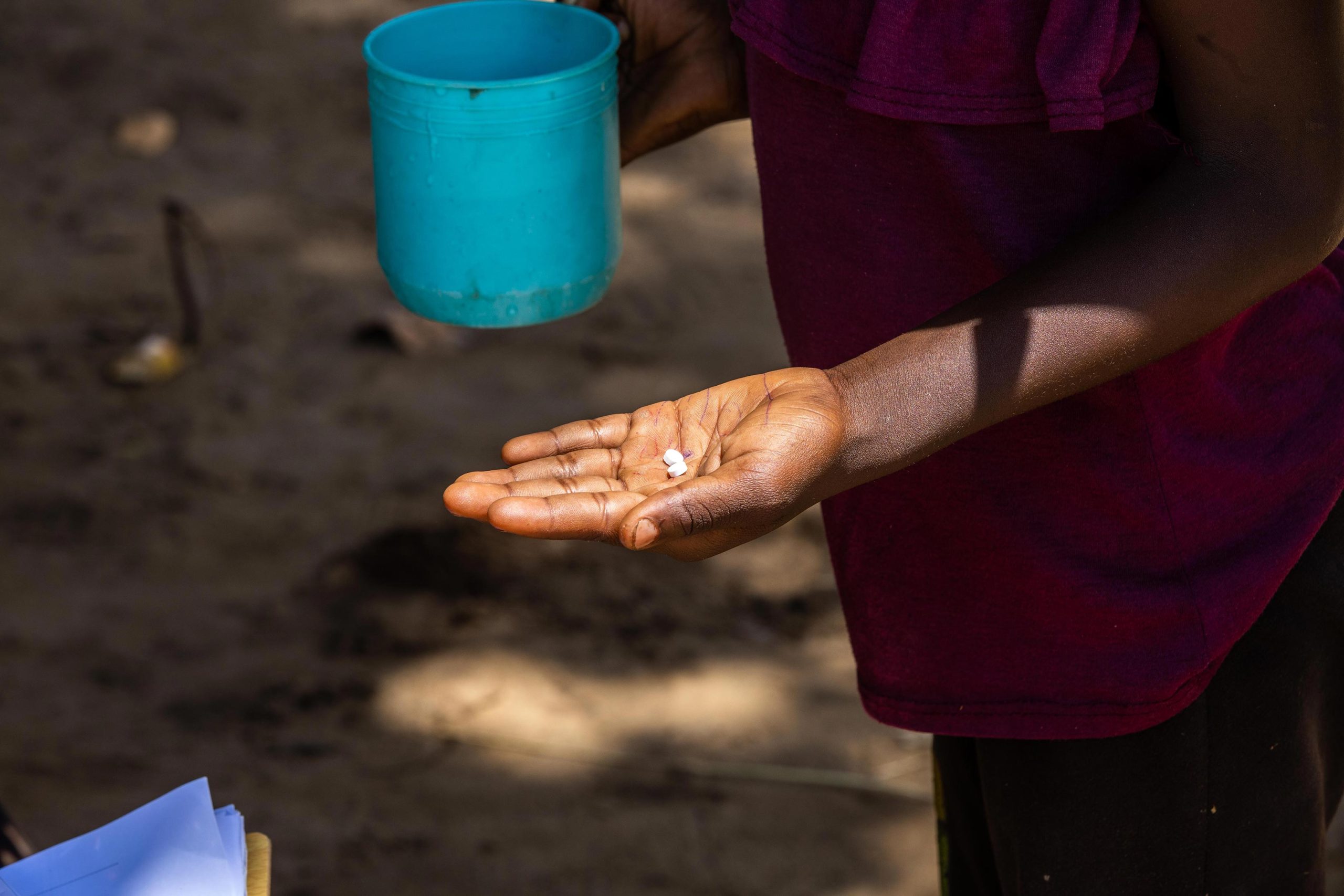
A massive study across Kenya and Mozambique found that mass administration of ivermectin—an antiparasitic drug—reduced malaria cases by 26%. The pill works in a surprising way: it makes human blood deadly to mosquitoes, killing them after they bite. This novel approach could complement traditional tools like bed nets, which have lost effectiveness due to mosquito resistance. Even better, communities reported fewer lice, scabies, and bed bugs—bonus benefits from a single monthly dose.
Ivermectin Shows Promise in Reducing Malaria Transmission
A safe and widely available drug, ivermectin, has shown promise in reducing the spread of malaria when given to entire communities. In the largest study of its kind, known as the BOHEMIA trial, researchers found a 26% drop in new malaria infections even when standard tools like bed nets were already in use. These findings highlight ivermectin’s potential to serve as an added layer of protection in malaria prevention.
The study was led by the Barcelona Institute for Global Health (ISGlobal), supported by the “la Caixa” Foundation, in collaboration with the Manhiça Health Research Centre (CISM) and the KEMRI-Wellcome Trust Research Programme. The results were published in The New England Journal of Medicine.
Malaria continues to be a major global health issue, with 263 million cases and 597,000 deaths recorded in 2023. Existing prevention tools such as long-lasting insecticidal nets (LLINs) and indoor residual spraying (IRS) are becoming less effective. This is largely due to mosquitoes developing resistance to insecticides and changing their behavior to bite outdoors or during times when people are not shielded by these methods. These challenges have created an urgent demand for new approaches to stop the disease.
Ivermectin’s Unexpected Role in Fighting Malaria
Ivermectin is typically used to treat neglected tropical diseases such as onchocerciasis (river blindness) and lymphatic filariasis (elephantiasis). However, studies have shown that it can also reduce malaria by killing mosquitoes that bite people who have taken the drug. As resistance to insecticides increases, ivermectin may offer a new and effective way to reduce transmission, especially in areas where standard methods are no longer reliable.
The BOHEMIA project (Broad One Health Endectocide-based Malaria Intervention in Africa), funded by Unitaid, tested this idea through two large-scale Mass Drug Administration (MDA) trials in regions with high malaria burden: Kwale County in Kenya and Mopeia district in Mozambique. Researchers evaluated whether giving a single monthly dose of ivermectin (400 mcg/kg) over three months at the start of the rainy season could lower malaria transmission. In Kenya, the program focused on children aged 5 to 15, while in Mozambique it targeted children under the age of five.
Kenya Sees Clear Impact from Ivermectin
In Kwale County, Kenya, children who received ivermectin experienced a 26% reduction in malaria infection incidence compared to those who received albendazole, the control drug used in the study. The trial involved over 20,000 participants and more than 56,000 treatments, demonstrating that ivermectin significantly reduced malaria infection rates—particularly among children living further from cluster borders or in areas where drug distribution was more efficient. Moreover, the safety profile of ivermectin was favourable, with no severe drug-related adverse events and only mild, transient side effects already seen with ivermectin in campaigns against neglected tropical diseases.
“We are thrilled with these results,” says Carlos Chaccour, co-principal investigator of the BOHEMIA project and ISGlobal researcher at the time of the study. “Ivermectin has shown great promise in reducing malaria transmission and could complement existing control measures. With continued research, ivermectin MDA could become an effective tool for malaria control and even contribute to elimination efforts,” Chaccour, who is now a researcher at the Navarra Centre for International Development at the University of Navarra, adds.
“These results align with the World Health Organization’s (WHO) criteria for new vector control tools,” states Joseph Mwangangi, from the KEMRI-Wellcome Trust Research Programme. “The findings suggest that ivermectin MDA could be a valuable complementary strategy for malaria control, particularly in areas where mosquito resistance to insecticides is a growing concern,” adds Marta Maia, BOHEMIA’s lead entomologist from the University of Oxford.
Lessons and Setbacks in Mozambique Deployment
In contrast, the implementation of the Mozambique trial in the rural district of Mopeia faced severe disruptions due to Cyclone Gombe (2022) and a subsequent cholera outbreak, which significantly disrupted operations. “One of the most important lessons we learned from the trial in Mopeia is that strong community engagement is essential,” states Francisco Saúte, director of the Manhiça Health Research Centre (CISM). “Building trust with local communities and fostering close collaboration with the Health Ministry, National Malaria Control Program, and local authorities was key to ensuring acceptance of the ivermectin MDA.”
Collateral Public Health Benefits Beyond Malaria
In addition to reducing malaria transmission, ivermectin MDA offers significant collateral benefits. The BOHEMIA team found an important reduction in the prevalence of skin infestations such as scabies and head lice in the ivermectin group in Mozambique, and the community reported a major reduction in bed bugs in Kenya. These effects are particularly valuable when ivermectin is integrated into existing delivery systems, maximising its impact on public health.
Toward a New Era of Malaria Control Strategy
The study is part of a larger global effort to assess ivermectin’s potential in malaria control. The findings have been reviewed by the WHO vector control advisory group, which concluded that the study had demonstrated impact and recommended further studies. Findings were also shared with national health authorities as they evaluate the potential inclusion of ivermectin in malaria control programmes.
“This research has the potential to shape the future of malaria prevention, particularly in endemic areas where existing tools are failing,” concludes Regina Rabinovich, BOHEMIA PI and Director of ISGlobal’s Malaria Elimination Initiative. “With its novel mechanism of action and proven safety profile, ivermectin could offer a new approach using a well-known, safe drug that can add to the effect of other mosquito control tools available today.”
Reference: “Ivermectin to Control Malaria — A Cluster-Randomized Trial” by Carlos Chaccour, Marta Maia, Mercy Kariuki, Paula Ruiz-Castillo, Caroline Wanjiku, Lydia Kasiwa, Aurelia Brazeal, Aina Casellas, Mwanajuma Ngama, Truphena Onyango, Eldo Elobolobo, Karisa Kazungu, Mary Mael, Winnie Wangari, Khadija Nuru, Rachel Otuko, Almudena Sanz, Isaac Ringera, Allan Matano, Starford Mitora, Marta Ribes, Joe Brew, Nika Gorski, Patricia Nicolas, Sara Stanulovic, Isaiah Omondi, Joanna Furnival-Adams, Laura Túnez, Jamal Mbarak, Vegovito Vegove, Esther Yaa, Shadrack Mramba, Yegon Kibet, Naomi Nyambura, Charles Rotich, Scholastica Wanjiru, Musa Vura, Faith Wanjiku, Leslie Sam, Lisa Collins, Kang Xia, Felix Hammann, Francisco Saúte, Matthew Rudd, Cassidy Rist, Caroline Jones, Joseph Mwangangi and N. Regina Rabinovich, 23 July 2025, New England Journal of Medicine.
DOI: 10.1056/NEJMoa2411262
Never miss a breakthrough: Join the SciTechDaily newsletter.
Follow us on Google and Google News.
4 Comments
“This novel approach could complement traditional tools like bed nets, which have lost effectiveness due to mosquito resistance.”
How does a mosquito, or any insect, develop resistance to a physical barrier?
Good point ! Maybe, Chat GPT was having a bad day ?
Anger and gamma exposure?
What could possibly go wrong ? Trust the experts !