
Close Menu
    Facebook X (Twitter) Instagram
    SciTechDaily
    • Biology
    • Chemistry
    • Earth
    • Health
    • Physics
    • Science
    • Space
    • Technology
    Facebook X (Twitter) Pinterest YouTube RSS
    SciTechDaily
    Home»Health»Air Pollution Is Breaking Our Hearts: Particulate Matter Leads to Thousands of Deaths per Year
    Health

    Air Pollution Is Breaking Our Hearts: Particulate Matter Leads to Thousands of Deaths per Year

    By The Physiological SocietyDecember 15, 2019No Comments3 Mins Read
    Facebook Twitter Pinterest Telegram LinkedIn WhatsApp Email Reddit
    Share
    Facebook Twitter LinkedIn Pinterest Telegram Email Reddit
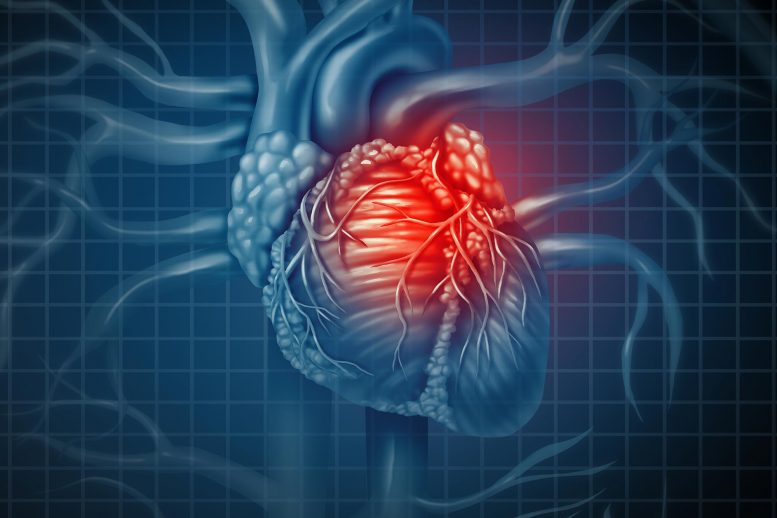
    Heart Disease Concept
    Around 11,000 heart disease and stroke fatalities in the UK are attributed to air pollution, notably particulate matter (PM).

    Air pollution is associated with detrimental effects on human health, including an increased risk of heart disease and stroke. Research published today (December 15, 2019) in The Journal of Physiology by researchers at The University of Manchester shows that the knowledge we have about how pollution harms the hearts of marine species can be applied to humans, as the underlying mechanisms are similar. In other words, knowledge gained from the marine ecosystem might help protect the climate and health of our planet, whilst also helping human health.

    Around 11,000 coronary heart disease and stroke deaths in the UK each year are attributable to air pollution, specifically due to particulate matter (PM), or small particles in the air that cause health problems. PM2.5 is one of the finest and most dangerous type of PM, and is a compound for which the UK has failed to meet EU limits.

    Researchers of this study looked across all vertebrates and particularly focused on a set of compounds that binds to the surface of PM, called polycyclic aromatic hydrocarbons (PAH) as the amount of PAH on PM is associated with the detrimental effect air pollution has on the heart.

    While air pollution is known to be dangerous to humans, it actually only became a widely-researched topic in the past five years or so. In marine species, however, the mechanism of how PAH pollution causes heart problems is well understood.

    Studies after the 1999 Exxon Valdez oil spill showed that the ecosystem still has not recovered 20 years on. In 2010, research on fish after the Deepwater Horizon oil spill, which released large quantities of PAHs into the marine environment, showed that the heart’s ability to contract was impaired.

    Dr. Holly Shiels, senior author on the study, from The University of Manchester said:

    “Pollution affects all of us living on Planet Earth. Due to the conserved nature of cardiac function amongst animals, fish exposed to PAH from oil spills can serve as indicators, providing significant insights into the human health impacts of PAHs and PM air pollution.”

    Dr. Jeremy Pearson, Associate Medical Director at the British Heart Foundation, which partly funded the research presented in this review, commented:

    “We know that air pollution can have a hugely damaging effect on heart and circulatory health, and this review summarizes mechanisms potentially contributing to impaired heart function. Reducing air pollution is crucial to protecting our heart health, which is why the BHF is calling on the next Government to commit to reducing air pollution to within WHO limits.”

    Reference: “Polyaromatic hydrocarbons in pollution: A heart‐breaking matter” by C. R. Marris, S. N. Kompella, M. R. Miller, J. P. Incardona, F. Brette, J. C. Hancox, E. Sørhus and H. A. Shiels, 15 December 2019, The Journal of Physiology.
    DOI: 10.1113/JP278885

    Never miss a breakthrough: Join the SciTechDaily newsletter.
    Follow us on Google and Google News.

    Disease Marine Biology Pollution University of Manchester
    Share. Facebook Twitter Pinterest LinkedIn Email Reddit

    Related Articles

    Researchers Discover a Common Medicine May Prevent Harm to Lungs From Air Pollution

    Report Claims 100 Million Will Die From Climate Change by 2030

    Flu Infections and MRSA Combine into Lethal Cocktail in Maryland

    Transplants Without the Need for Lifelong Immunosupression

    Ticks, Lyme Disease and Public Health

    Researchers Find Possible Link Between Diet Soda and Vascular Risks

    Jellyfish Bloom in Marine Ecologies As Ocean Health Declines

    Worldwide Rise in Type 1 Diabetes Could Be Linked to Obesity

    Prion Diseases Hidden in Spleens Could Mean Thousands of Infected

    Leave A Reply Cancel Reply

    • Facebook
    • Twitter
    • Pinterest
    • YouTube

    Don't Miss a Discovery

    Subscribe for the Latest in Science & Tech!

    Trending News

    Monster Storms on Jupiter Unleash Lightning Beyond Anything on Earth

    Scientists Create “Liquid Gears” That Spin Without Touching

    The Simple Habit That Could Help Prevent Cancer

    Millions Take These IBS Drugs, But a New Study Finds Serious Risks

    Scientists Unlock Hidden Secrets of 2,300-Year-Old Mummies Using Cutting-Edge CT Scanner

    Bread Might Be Making You Gain Weight Even Without Eating More Calories

    Scientists Discover Massive Magma Reservoir Beneath Tuscany

    Europe’s Most Active Volcano Just Got Stranger – Here’s Why Scientists Are Rethinking It

    Follow SciTechDaily
    • Facebook
    • Twitter
    • YouTube
    • Pinterest
    • Newsletter
    • RSS
    SciTech News
    • Biology News
    • Chemistry News
    • Earth News
    • Health News
    • Physics News
    • Science News
    • Space News
    • Technology News
    Recent Posts
    • New Brain Discovery Challenges Long-Held Theory of Teenage Brain Development
    • Sharks Are Overheating as Warming Oceans Push Them to the Edge
    • Scientists Discover Plants “Scream” – We Just Couldn’t Hear Them Until Now
    • 25-Year Study Uncovers Hidden Paths and Early Warning Signs of Blood Cancer
    • Not Just Snoring – New Research Reveals Sleep Apnea May Be Damaging Your Muscles
    Copyright © 1998 - 2026 SciTechDaily. All Rights Reserved.
    • Science News
    • About
    • Contact
    • Editorial Board
    • Privacy Policy
    • Terms of Use

    Type above and press Enter to search. Press Esc to cancel.