
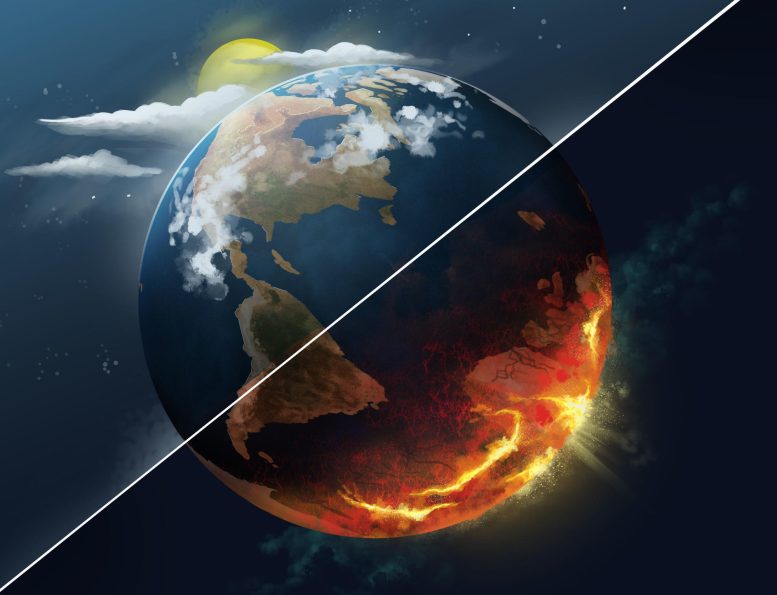
Global warming may have dire repercussions for ectotherms (cold-blooded animals) on land and in water all across the world. According to recent research, the incidence of heat injury among ectotherms doubles for every degree the temperature rises.
It might seem obvious that ectothermic animals are severely impacted by global warming. It is well known that their body temperature and, by extension, their biochemical processes rely on ambient temperature and on sunlight.
However, the fact that heat injury doubles for every degree the ambient temperature exceeds animals’ tolerance limit surprised even the researchers who conducted the new study.
The researchers are five Aarhus University zoophysiologists who have recently published their findings in the prominent scientific journal Nature, where the study is featured on the cover. The researchers based their findings on data from prior studies on ectothermic animals.
There is a well-known relationship between the geographical distribution of ectotherms and their ability to endure ambient temperature conditions. They can only survive at temperatures that enable them to develop and reproduce, and in harsh winter and summer temperatures that are neither too cold nor too hot for lengthy periods of time.
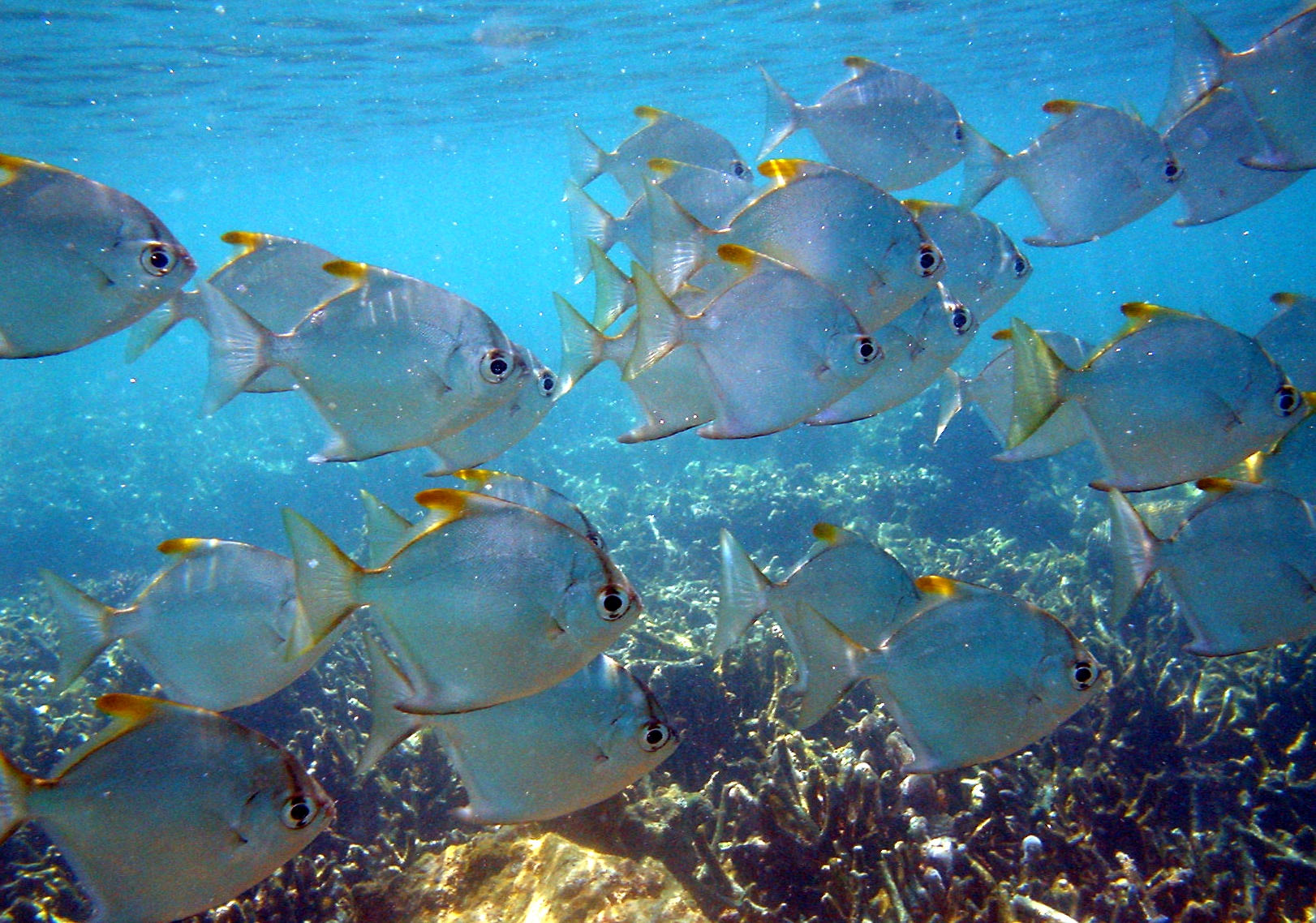
The animals sustain injuries if temperatures exceed the threshold for what they can tolerate. These injuries accumulate over time and ultimately determine whether the species can survive under the prevailing temperature conditions.
“And the higher the temperature exceeds the tolerance level of the species, the quicker they will accumulate injuries,” explains one of the co-authors of the study, postdoc Lisa Bjerregaard Jørgensen.
Temperature Sensitivity Across Ectotherms
The researchers have analyzed the temperature sensitivity for heat stress of 112 ectothermic species. the analysis shows that the rate of heat injury accumulation more than doubles if the temperature rises by only 1°C (1.8°F).
And since this is an exponential increase, a temperature increase of 2°C (3.6°F)will increase the rate of heat injury accumulation by more than four times, while for a 3°C (5.4°F) increase the injury rate will be more than eight times faster.

Regional and Global Implications of Rising Temperatures
The researchers then compared their data for temperature sensitivity with models for the expected increase in maximum temperatures in connection with global warming. This data shows that the rate of heat injury for ectotherms at a global level could increase by an average of 700 percent, and in many environments on land by more than 2,000 percent.
For aquatic ectotherms, the corresponding figures are 180 percent and 500 percent.
Regional analysis suggests huge impacts, especially in the northern temperate zone which covers most of Europe and North America, and the ocean around the Arctic.
Even though the researchers do not know the underlying physiological and biochemical reactions that lead to heat stress and death, their study demonstrates that these processes are extremely sensitive to temperature across all groups of ectotherms. This could indicate that similar processes determine the degree of heat injury.
Challenges for Land and Aquatic Ectotherms
“Neither can we predict how many species and individuals risk succumbing to rising temperatures because the threshold for heat stress differs significantly from one species to the next. Furthermore, many land-based ectothermic animals can regulate their temperature by finding shade, thereby reducing the risk of heat injury. This is not so easy for aquatic animals,” says Professor Johannes Overgaard, who is a co-author of the study.
And he adds: “The point is that this very high sensitivity to heat injury means that we risk underestimating the impacts of future heatwaves. Our results indicate that future heatwaves will have major consequences – even if not all species will be impacted to the same degree.”
Reference: “Extreme escalation of heat failure rates in ectotherms with global warming” by Lisa Bjerregaard Jørgensen, Michael Ørsted, Hans Malte, Tobias Wang and Johannes Overgaard, 26 October 2022, Nature.
DOI: 10.1038/s41586-022-05334-4
The study was funded by the Danish Council for Independent Research.
Never miss a breakthrough: Join the SciTechDaily newsletter.
Follow us on Google and Google News.
1 Comment
“… the fact that heat injury doubles for every degree the ambient temperature exceeds animals’ tolerance limit surprised even the researchers who conducted the new study.”
It is indeed surprising given that the Cretaceous and, especially, Jurassic was a time of abundant, successful, evolving ectotherms living in a climate even warmer than forecast for 2100. When one’s conclusions seem to be contradicted by other facts, it is time to examine the unstated assumptions.
“Me thinks she doth protest too much!”