
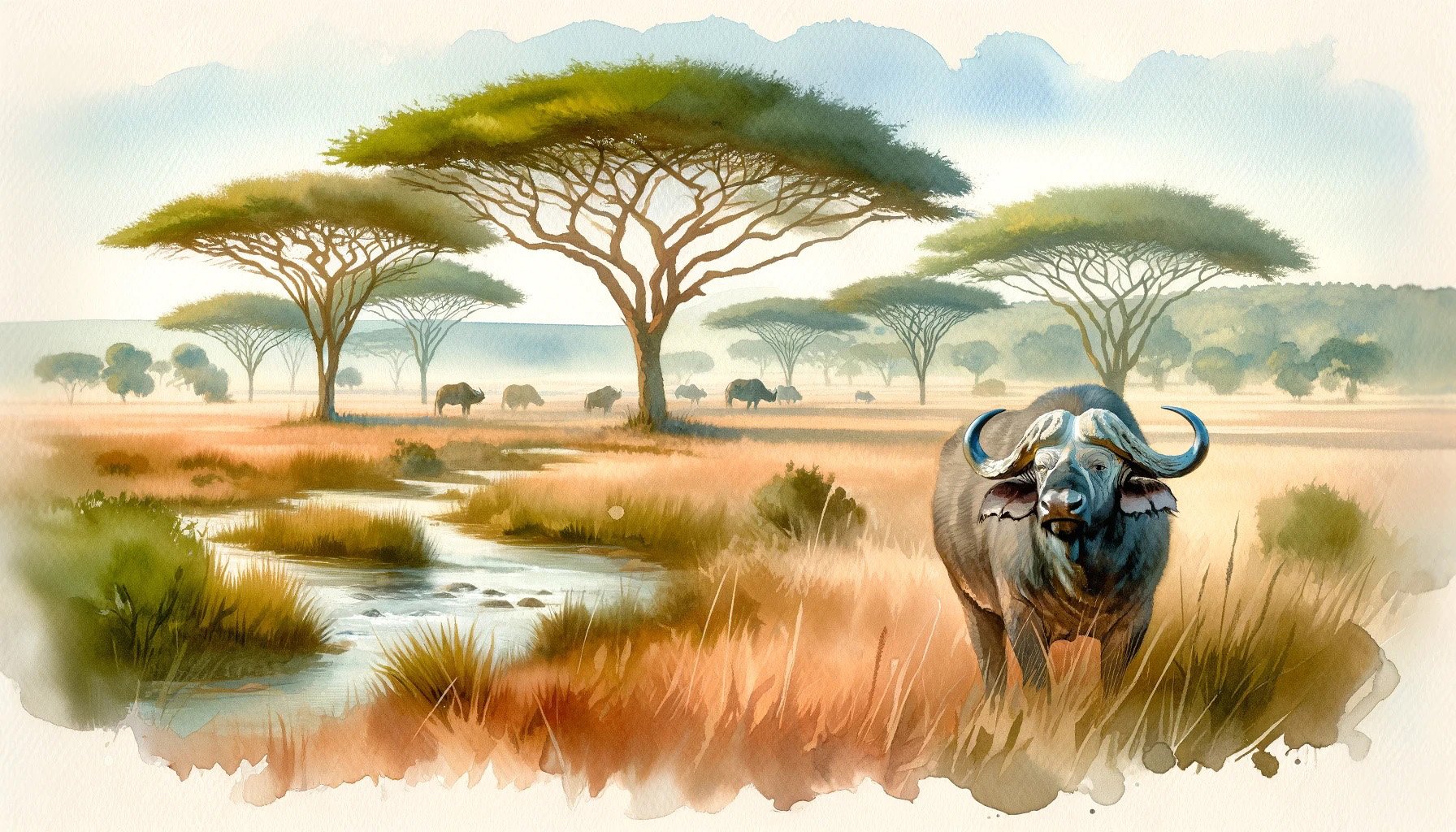
New fossil discoveries at South Africa’s Kromdraai site offer groundbreaking insights into the ancient ecosystems and their role in shaping human evolution, highlighting the interplay between hominins and various bovid species.
In the sprawling savannas of South Africa’s Cradle of Humankind, the Kromdraai archaeological site has unveiled a new discovery that significantly enhances our understanding of the ecosystems that influenced human evolution.
Researchers have unearthed a collection of fossilized bovids, revealing the presence of previously unknown species that once roamed these ancient grasslands alongside our hominin ancestors. This significant finding, detailed in a study published in Quaternary Science Reviews, not only highlights the biodiversity of the Plio-Pleistocene era but also offers unprecedented insights into the environmental conditions that influenced the development of early human species.
Among the notable discoveries is an unknown medium-sized buffalo species, underscoring the complexity of ancient ecosystems and the pivotal role these environments played in shaping the evolutionary pathways of hominins like Paranthropus robustus and early Homo species. “Paleontology often conjures images of dinosaurs, but studying modern animals like bovids is crucial too. Bovids are diverse and successful in Africa, offering insights into both ancient and modern ecosystems. Their evolutionary history is intertwined with ours, as they have been a key part of the landscape and human societies since the Miocene, about 23 million years ago,” Dr Raphael Hanon, lead author and a Postdoctoral Researcher at the Evolutionary Studies Institute, University of Witwatersrand, notes.
Insights from the Plio-Pleistocene Era
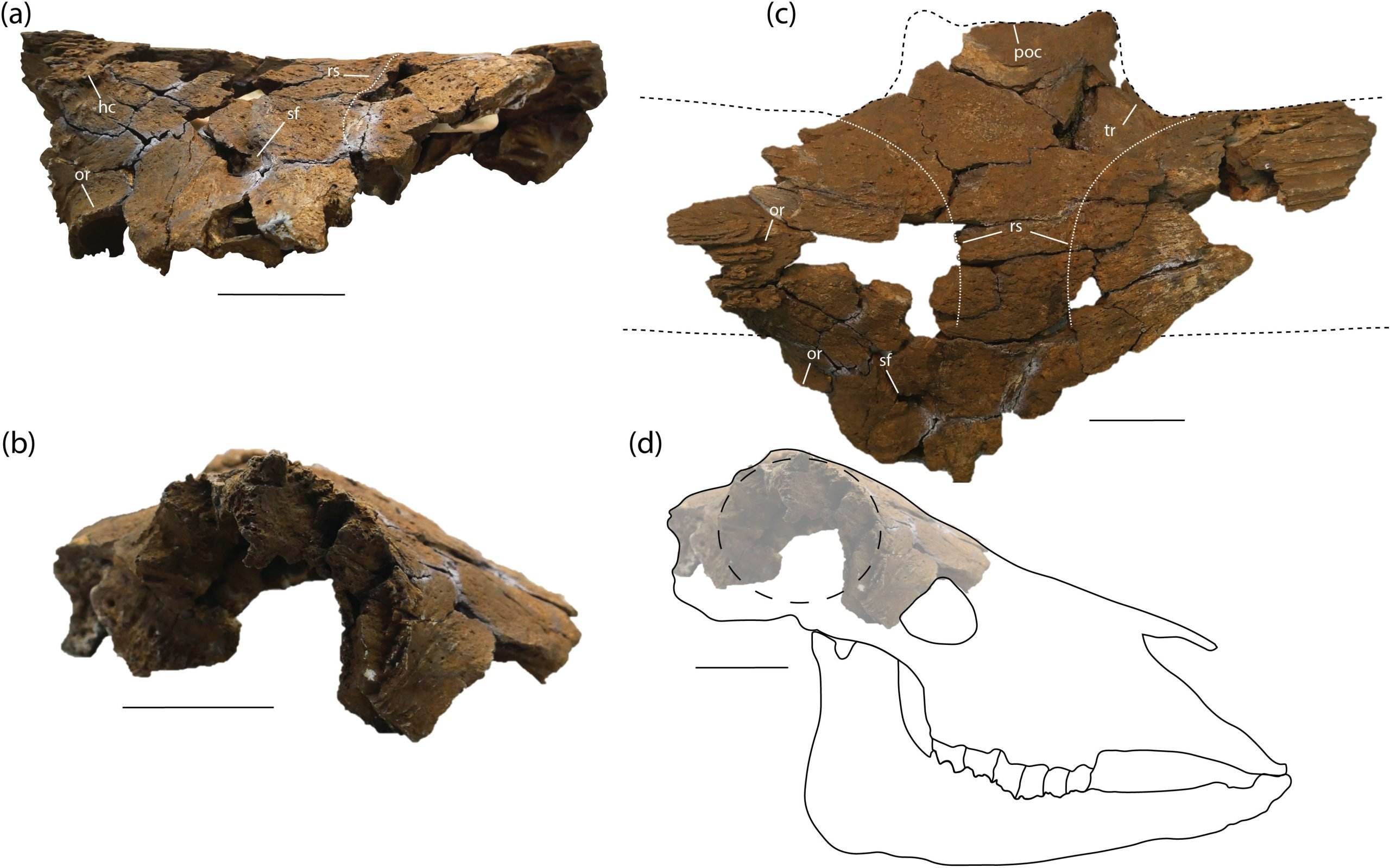
Spearheaded by a collaborative team of researchers from around the globe, this revelation paints a vivid picture of a landscape dominated by expansive grasslands, hinting at the complex interplay of life that thrived in this region during the Plio-Pleistocene era (about 5.3 million years ago). This research marks a significant leap forward in our quest to unravel the mysteries of our planet’s past, providing crucial data for reconstructing the ancient landscapes that were the cradle of humankind. “It is not very common in bovid paleontology to come across a mysterious well-preserved skull. Even if the specimen isn’t complete, the discovery and description of a potential new species of small-sized buffalo is really interesting!” Raphael explains.
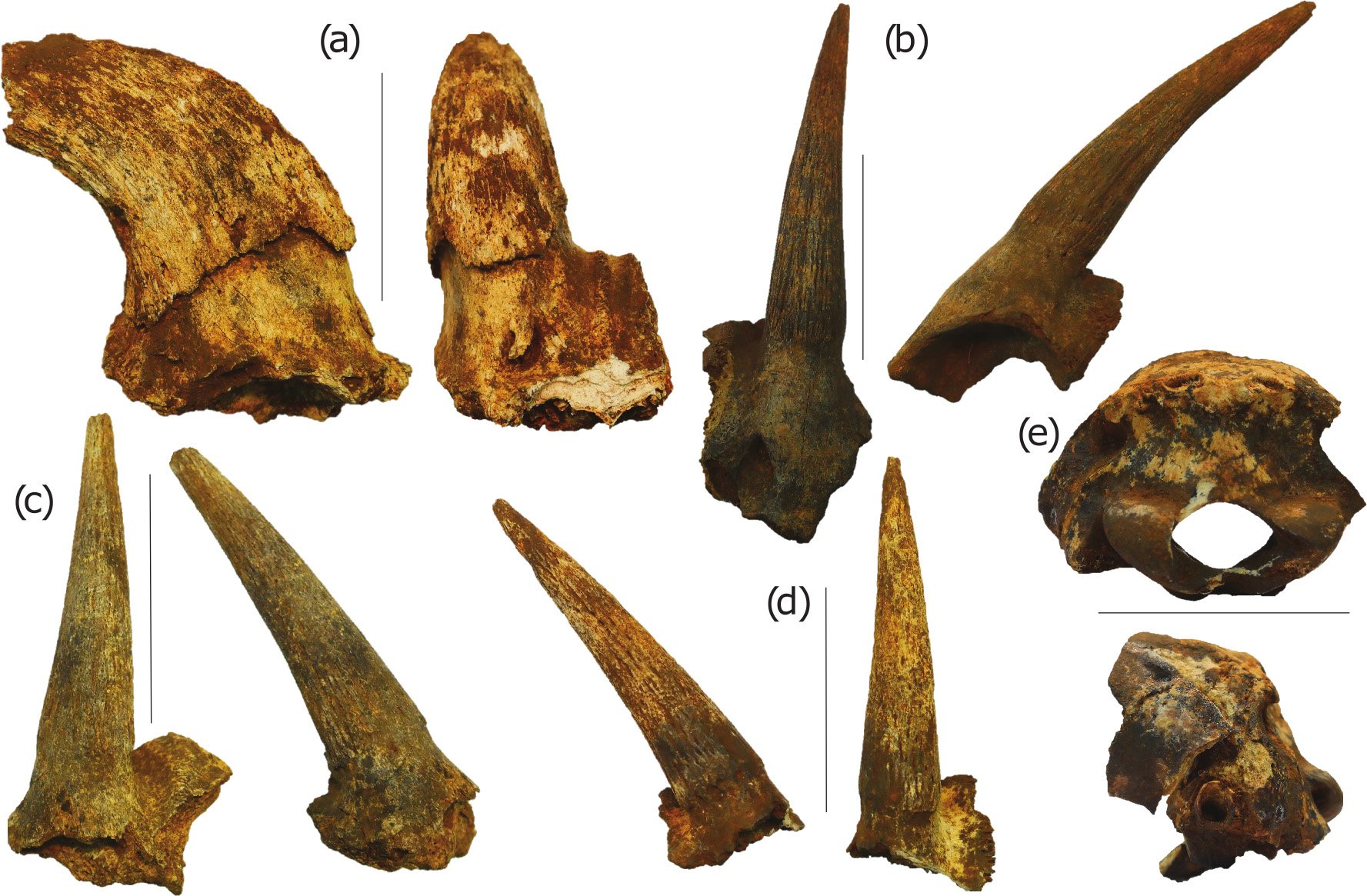
These bovids, members of the family Bovidae, which includes modern-day buffalo, antelopes, and gazelles, serve as a key to unlocking the secrets of the past. Their diversity and abundance at Kromdraai offer a glimpse into the diets and behaviors of both large carnivores and our ancient relatives. As prey, these animals shaped the predatory patterns of the region’s megafauna and, by extension, influenced the survival strategies of hominins such as Paranthropus robustus and early Homo species.
Habitat Preferences and Bovid Diversity
The discovery of extinct species of gazelles such as Gazella gracilior and the presence of a yet-to-be-named buffalo closely related to Syncerus acoelotus indicate a grassland-dominated environment. This finding is corroborated by comparisons with other Plio-Pleistocene sites across South Africa, which suggest that different hominin species were associated with varying habitats.
While Australopithecus appeared to favor woodland and closed-wet environments, early Homo species were found in areas adapted to open and dry conditions. The diverse range of bovids associated with Paranthropus, however, suggests a broad environmental adaptability among these hominins. Raphael explains that this research was somewhat challenging. “One of the biggest challenges was to reconstruct and describe the small buffalo skull (Syncerus sp.) to identify it,” he says.
“The skull was discovered as dozens of small broken bone pieces and Jean-Baptiste Fourvel and myself spent hours on it to be able to refit most of the pieces together so we would be able to tell what kind of animal it was. Even after refitting all the pieces, it was very fragile – therefore difficult to manipulate and identify. The fossil record of the African buffalo is scarce, especially in South Africa, so it was not easy to find relevant information that could help us identify the skull,” he explains.
The significance of these findings extends beyond the mere identification of ancient animals. The bovid assemblages of Kromdraai, with their mix of older Plio-Pleistocene and younger Pleistocene taxa, offer a window into the changing landscapes of ancient Africa. These changes, recorded in the bones and teeth of the bovids, reflect the dynamic nature of our planet’s ecosystems and the adaptability of life in the face of shifting climates and habitats.
Moreover, the study of these fossils provides a chronological marker for the site, with the biochronology indicating that Kromdraai Unit P accumulated between 2.9 and 1.8 million years ago. This range is crucial for understanding the timeline of human evolution in the region, offering potential insights into the appearance of Paranthropus robustus and other significant species in southern Africa.
The Kromdraai site continues to be a testament to the richness of our planet’s past, inviting scientists and enthusiasts alike to ponder the intricate connections between the earth’s history and our origins. Raphael is excited to extend his scientific research further. “I will continue to work on bovid paleontology and taxonomy in the future. I hope to be able to conduct a more detailed analysis of specific taxa such as the buffalos or the gazelles in South Africa. Plenty of palaeontological and archaeological sites have yielded a huge amount of bovid fossil material that is just waiting to be studied,” he says.
Reference: “New fossil Bovidae (Mammalia: Artiodactyla) from Kromdraai Unit P, South Africa and their implication for biochronology and hominin palaeoecology” by Raphaël Hanon, Jean-Baptiste Fourvel, Recognise Sambo, Nompumelelo Maringa, Christine Steininger, Bernhard Zipfel and José Braga, 26 March 2024, Quaternary Science Reviews.
DOI: 10.1016/j.quascirev.2024.108621
The study was funded by the Genus-DSI-NRF Centre of Excellence in Palaeosciences.
Never miss a breakthrough: Join the SciTechDaily newsletter.
Follow us on Google and Google News.
1 Comment
So many new answers……so many new questions…..so much more to learn and explore