
Close Menu
    Facebook X (Twitter) Instagram
    SciTechDaily
    • Biology
    • Chemistry
    • Earth
    • Health
    • Physics
    • Science
    • Space
    • Technology
    Facebook X (Twitter) Pinterest YouTube RSS
    SciTechDaily
    Home»Science»Ant Poison Paralyzes Prey from a Distance
    Science

    Ant Poison Paralyzes Prey from a Distance

    By SciTechDailyDecember 16, 2011No Comments2 Mins Read
    Facebook Twitter Pinterest Telegram LinkedIn WhatsApp Email Reddit
    Share
    Facebook Twitter LinkedIn Pinterest Telegram Email Reddit
    Ant Poison Paralyzes Prey From A Distance
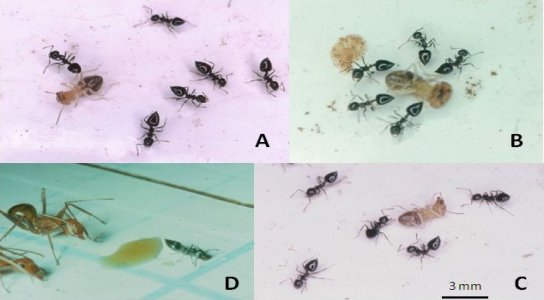
    African ant species Crematogaster striatula have venom so potent that it  can kill at a distance.

    Ant-nest invaders are in for a shock when they mess with the African ant species Crematogaster striatula. These ants have venom so potent that it kills termites. This deadly chemical can kill at a distance when a group of ants approach the termite with their backsides pointed at it.

    It comes from the Dufour gland, located near the worker ants’ stingers. The chemicals will paralyze and kill termites and also attract other ants for reinforcements. The ants use the chemicals the same way to repel alien ants. This research could lead to some natural insecticides that would not harm us for once.

    The research showed that this chemical was more deadly to termites than to other ants. That may be due to exposure since invader ants normally run away. The termites, however, more often than not, stand their ground. When cornered, the ants were able to poison the termites from a distance of 0.2-to-0.4 inches (5-to-10 millimeters). The thin skin of the termite is also a factor that makes them more sensitive to absorbing the poison.

    In this study, an ant went up against a termite, shot its deadly chemical, and emitted chemicals to call on nearby ants. The termite died within 10 minutes after being poisoned. One ant approached, watching for the termite’s leg movements to slow. When it did, all of the ants approached to bring it back to their nest.

    Never miss a breakthrough: Join the SciTechDaily newsletter.
    Follow us on Google and Google News.

    Africa Ants Termites
    Share. Facebook Twitter Pinterest LinkedIn Email Reddit

    Related Articles

    Urgent Action Is Needed: Life-Threatening Pollution Found in Malawi’s Solar Battery Waste

    Why Did She Scream? Scientists Unveil New Insights Into Mysterious 2,500-Year-Old Screaming Mummy

    Harnessing Nature’s Genius: Scientists Uncover Secret Mechanics of Fire Ant Rafts

    95% Success Rate: Scientists Develop New, More Effective, and Non-Toxic Way To Kill Termites

    Scientists Discover Ghostly New Species 80 Feet Underground

    Master of Disguise: The Ant-Mimicking Spider’s Survival Strategy

    Tree-Top Triumph: Rare Ant Colony Found in North Carolina

    Unraveling Africa’s Fairy Circle Mystery – Researchers Identify True Source

    Scientists Discover That Australian Honeypot Ant Honey Possesses Unique Anti-Microbial Properties

    Leave A Reply Cancel Reply

    • Facebook
    • Twitter
    • Pinterest
    • YouTube

    Don't Miss a Discovery

    Subscribe for the Latest in Science & Tech!

    Trending News

    Your Blood Pressure Reading Could Be Wrong Because of One Simple Mistake

    Astronomers Stunned by Ancient Galaxy With No Spin

    Physicists May Be on the Verge of Discovering “New Physics” at CERN

    Scientists Solve 320-Million-Year Mystery of Reptile Skin Armor

    Scientists Say This Daily Walking Habit May Be the Secret to Keeping Weight Off After Dieting

    New Therapy Rewires the Brain To Restore Joy in Depression Patients

    Giant Squid Detected off Western Australia in Stunning Deep-Sea Discovery

    Popular Sugar-Free Sweetener Linked to Liver Disease, Study Warns

    Follow SciTechDaily
    • Facebook
    • Twitter
    • YouTube
    • Pinterest
    • Newsletter
    • RSS
    SciTech News
    • Biology News
    • Chemistry News
    • Earth News
    • Health News
    • Physics News
    • Science News
    • Space News
    • Technology News
    Recent Posts
    • Fur Seals’ Hearts Suddenly Spike Hours After Returning to Land
    • Scientists Say Cognitive Decline Isn’t Inevitable — Your Brain Can Improve at Any Age
    • This Weird Sea Creature May Have Rewritten Life’s Genetic Rulebook
    • The Hidden Types of Dementia Most People Have Never Heard Of
    • Scientists Discover Why Alcohol Prevents the Liver From Healing, Even After You Quit
    Copyright © 1998 - 2026 SciTechDaily. All Rights Reserved.
    • Science News
    • About
    • Contact
    • Editorial Board
    • Privacy Policy
    • Terms of Use

    Type above and press Enter to search. Press Esc to cancel.