
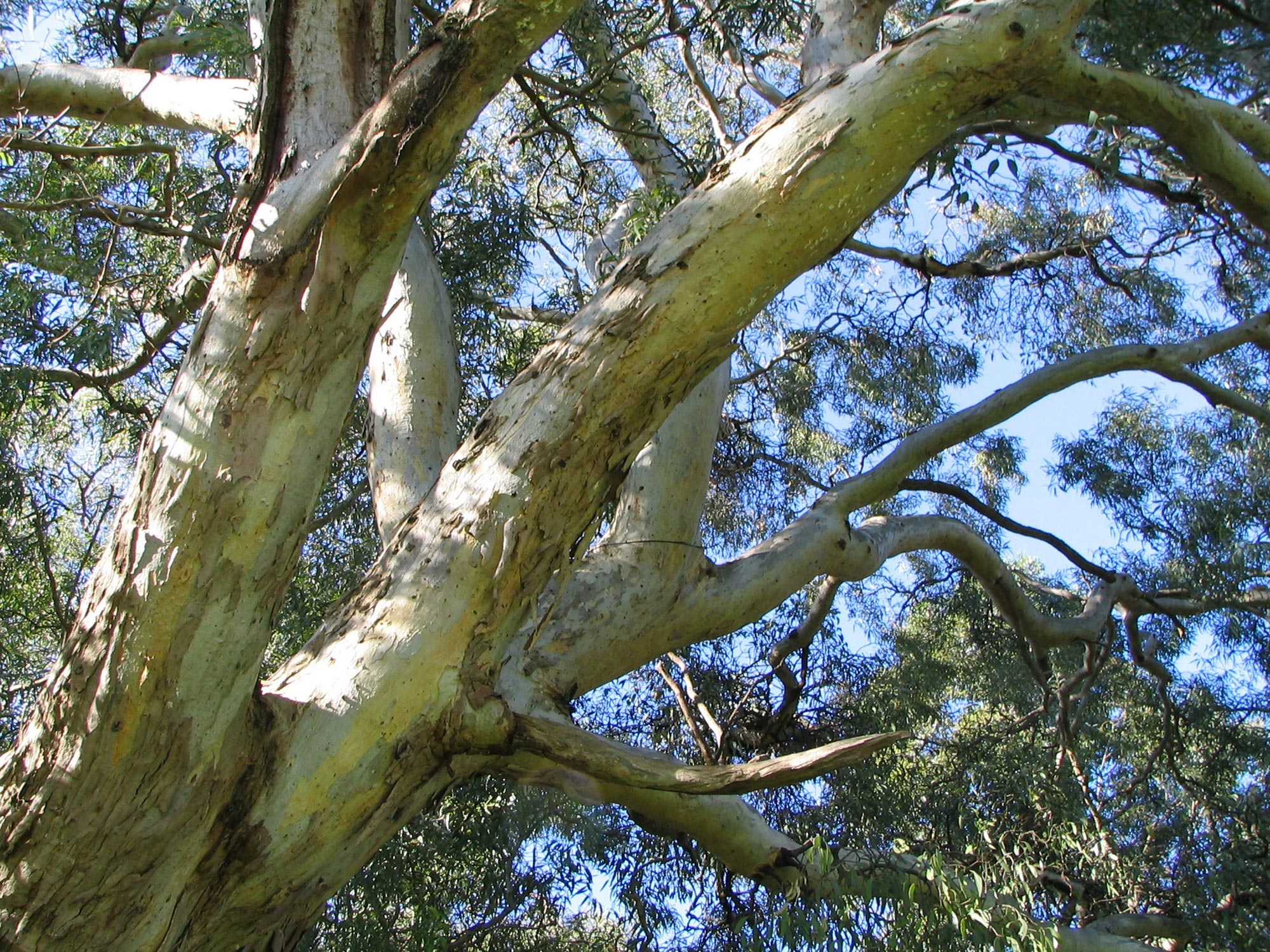
Pinocembrin, derived from eucalyptus trees, has shown potential in treating lung fibrosis by improving lung function and reducing inflammation in sheep. The promising results have paved the way for upcoming human trials.
University of Melbourne-led research has shown the flavonoid pinocembrin, derived from Australian eucalyptus trees, has strong anti-inflammatory properties and could be safe and effective at treating lung fibrosis in sheep, a large animal model for human lung disease.
Pinocembrin’s Anti-Inflammatory and Anti-Fibrotic Effects
Pinocembrin, a flavonoid found in several different types of trees including pine trees and eucalyptus, has been reported to have antioxidant, anti-inflammatory, anti-microbial, and anti-cancer properties.
Researchers from the University of Melbourne, Monash University, Swinburne University of Technology, and industry partner Gretals Australia, set out to test the anti-inflammatory and anti-fibrosis properties of pinocembrin in 10 sheep, to see whether the compound could be effective at treating lung fibrosis.
In the study, published recently in PLOS One, the fibrosis was induced in two localized lung segments in each of the sheep. One of the segments was treated with 7mg of pinocembrin once weekly for four weeks, while the other segment was left untreated.
Co-lead author on the study, Dr. Habamu Derseh, from the Melbourne Veterinary School in the Faculty of Veterinary and Agricultural Sciences at the University of Melbourne said the results were “striking.”
“We found that pinocembrin improved lung function, attenuated lung inflammation, and decreased overall pathology scores compared to damaged lungs that were untreated,” Dr. Derseh said.
“We saw striking anti-inflammatory effects and modest anti-fibrotic remodeling after four weeks of administering pinocembrin.”
Significant Reductions in Inflammatory Cells
Co-lead author Professor Ken Snibson, also from the Melbourne Veterinary School, explained there was a 50 percent reduction in certain inflammatory cells in the lungs.
“In lung fluid samples, inflammatory cells called neutrophils dropped from 7.4 percent of total cells to 3.7 percent in the pinocembrin-treated bleomycin-injured lung segments.”
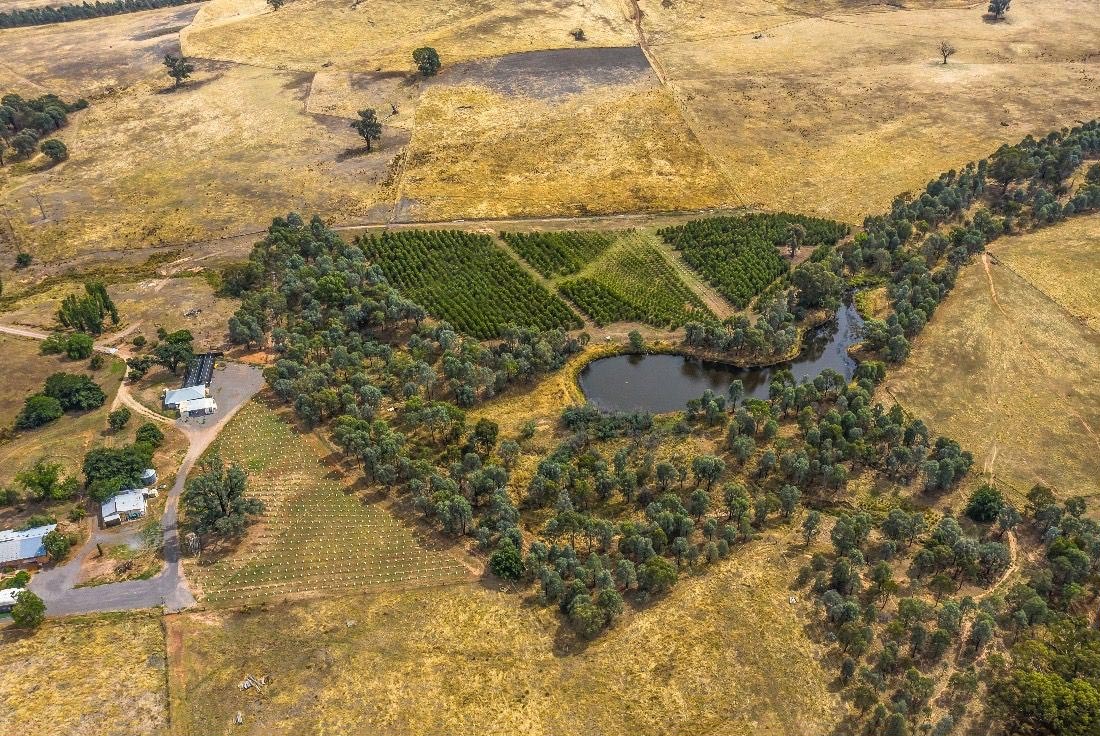
The chemical for this trial was isolated from the leaves of eucalyptus saplings at the University of Melbourne’s Dookie campus by Dr. Jason Goodger, from the School of BioSciences at the University of Melbourne.
Gretals Australia CEO and study co-author Alistair Cumming said this was a Victorian biotechnology success story in the making, made possible thanks to the collective expertise of forestry experts, plant biochemists, and medical researchers working with industry and with government support.
“This started with an ARC Linkage Grant between Gretals Australia and Professor Ian Woodrow (School of Ecosystem and Forest Sciences) and Dr. Goodger to identify and isolate pinocembrin from native eucalyptus trees, and now we have progressed to the stage where we are preparing for human trials in 2022,” Mr. Cumming said.
In humans, pulmonary fibrosis involves scarring and thickening of lung tissue with lung transplantation the only known cure.
Reference: “The efficacy and safety of pinocembrin in a sheep model of bleomycin-induced pulmonary fibrosis” by Habtamu B. Derseh, Jason Q. D. Goodger, Jean-Pierre Y. Scheerlinck, Chrishan S. Samuel, Ian E. Woodrow, Enzo A. Palombo, Alistair Cumming and Ken Snibson, 2 December 2021, PLOS One.
DOI: 10.1371/journal.pone.0260719
Never miss a breakthrough: Join the SciTechDaily newsletter.
Follow us on Google and Google News.