
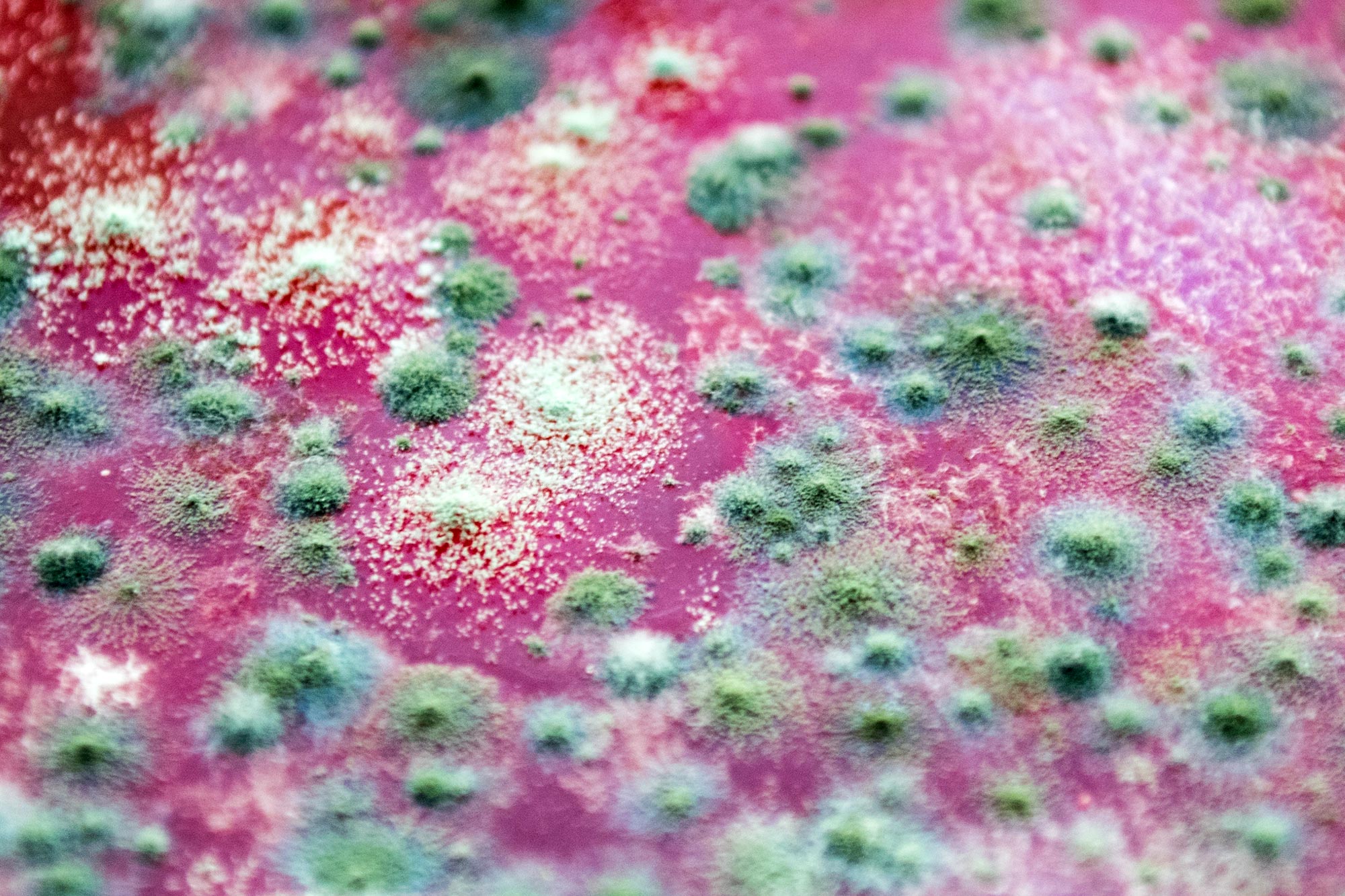
Fungicides used in agriculture have been linked to an increase in resistance to antifungal drugs in both humans and animals.
Fungal infections are on the rise, and two UC Davis infectious disease experts, Dr. George Thompson and Dr. Angel Desai, are sounding the alarm. In a recent commentary published in the New England Journal of Medicine, they warn that new agricultural pesticides designed to kill harmful fungi might be making it harder to treat dangerous fungal infections in people and animals.
Fungi already cause serious health and economic problems around the world. While antifungal agents are essential tools in both medicine and agriculture, overuse or poorly coordinated development of these compounds could lead to fungi evolving resistance. This means that life-saving treatments for humans might stop working.
Thompson and Desai are urging the global community to adopt a “One Health” approach to developing, testing and using agents to fight pathogens like fungi and bacteria.
“Antimicrobial resistant pathogens are a constant reminder for us to use agents judiciously,” Thompson said. “We have learned that the widespread use of antibiotics for livestock resulted in the rapid development of resistance to antibacterials. We have similar concerns regarding the use of antifungals in the environment.”
Thompson is the article’s lead author. He is a professor at the UC Davis School of Medicine in the Department of Internal Medicine, Division of Infectious Diseases, and the Department of Medical Microbiology and Immunology.
A One Health approach proposes a more holistic view to health. It emphasizes how changes in one area — like human activity, animal health, or the environment — can have ripple effects across all three.
About antifungal resistance
Changes in the climate and the wind patterns can help spread pathogens like fungi. Also, human travelers, migrating animals, and the movement of contaminated items can carry pathogens to new areas.
In the last few decades, there has been a rapid increase in fungus types that cause severe infections in humans. One example of a difficult-to-treat fungus is Candida auris (C. auris).
“Fungi have similar cellular machinery to that of humans. This is why medications that kill fungi like C. auris often have side effects for people. With few antifungals to choose from during clinical care, preventing resistance is of paramount importance,” Thompson explained.
Coordinated pesticide development and use
Resistance to treatments is highly linked to the amount of each agent used, the authors wrote. They called for coordinated global regulation to slow the development of resistance to new antimicrobial agents.
“There is a need for a shared antimicrobial approval process that includes a thorough assessment of potential impacts on the environment and human and animal health. This is especially true before any new large-scale environmental and agricultural pesticide use,” Desai said. She is an associate professor in the Department of Internal Medicine.
Their report also noted the foundation of The Interagency Drug and Pesticide Resistance and Efficacy Workgroup, a new entity under The U.S. Environmental Protection Agency. It is tasked with providing input on upcoming compounds proposed for registration, including potential effects on medical practice. The authors said similar efforts are needed on a global scale.
They noted that shared decision-making among national and global regulatory agencies would be cost-effective. It might help avoid the more expensive and riskier prospects of the rapid spread of resistant pathogens.
Reference: “Addressing Antifungal Drug Resistance — A “One Health–One World” Challenge” by George R. ThompsonIII and Angel N. Desai, 11 June 2025, New England Journal of Medicine.
DOI: 10.1056/NEJMp2416548
Never miss a breakthrough: Join the SciTechDaily newsletter.
Follow us on Google and Google News.
2 Comments
Go to the university of michigan and ask the slanty eyed chinese gooks about fungus in the food supply smh
This is true but our farmers are not ready to adopt other technology to reduce pesticide consumption