
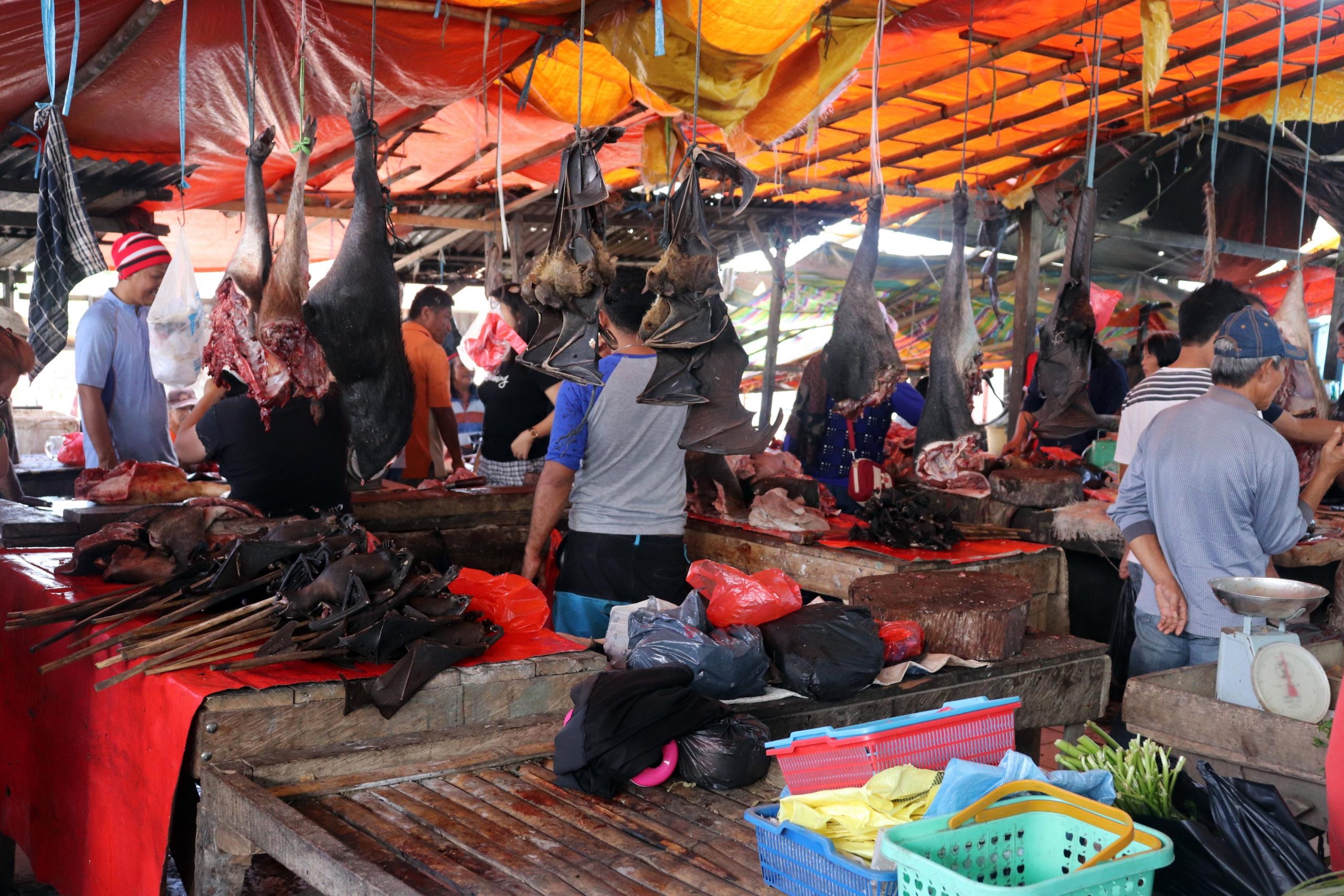
The same processes that threaten wildlife increase our risk of spillover.
As COVID-19 spreads across the globe, a common question is, can infectious diseases be connected to environmental change? Yes, indicates a study published today from the University of California, Davis’ One Health Institute.
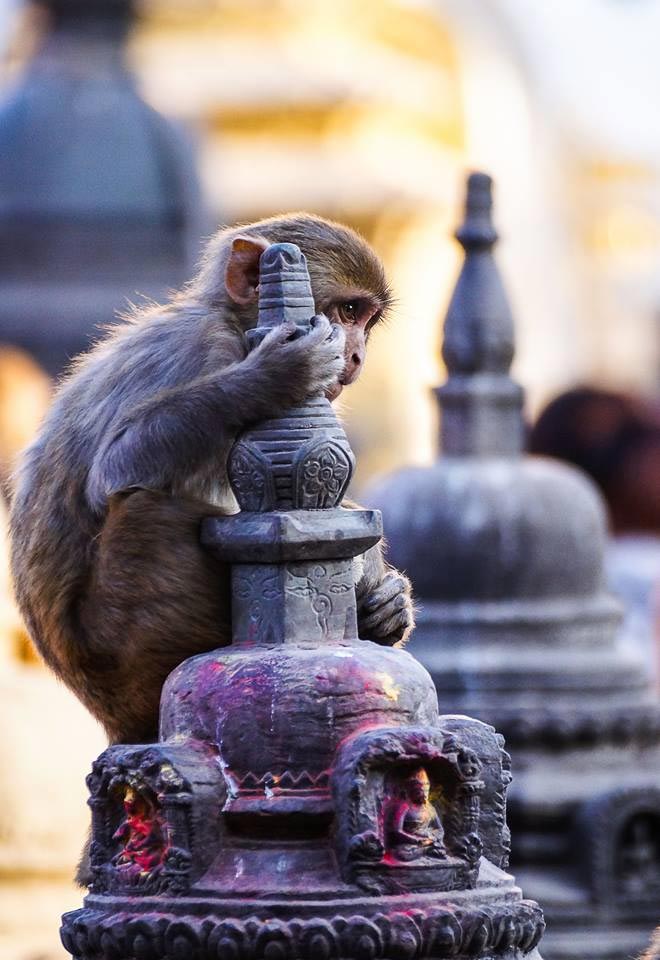
Exploitation of wildlife by humans through hunting, trade, habitat degradation, and urbanization facilitates close contact between wildlife and humans, which increases the risk of virus spillover, found a study published in the journal Proceedings of the Royal Society B. Many of these same activities also drive wildlife population declines and the risk of extinction.
The study provides new evidence for assessing spillover risk in animal species and highlights how the processes that create wildlife population declines also enable the transmission of animal viruses to humans.
“Spillover of viruses from animals is a direct result of our actions involving wildlife and their habitat,” said lead author Christine Kreuder Johnson, project director of USAID PREDICT and director of the EpiCenter for Disease Dynamics at the One Health Institute, a program of the UC Davis School of Veterinary Medicine. “The consequence is they’re sharing their viruses with us. These actions simultaneously threaten species’ survival and increase the risk of spillover. In an unfortunate convergence of many factors, this brings about the kind of mess we’re in now.”
The Common and the Rare
For the study, the scientists assembled a large dataset of the 142 known viruses that spill over from animals to humans and the species that have been implicated as potential hosts. Using the IUCN Red List of Threatened Species, they examined patterns in those species’ abundance, extinction risks, and underlying causes for species declines.
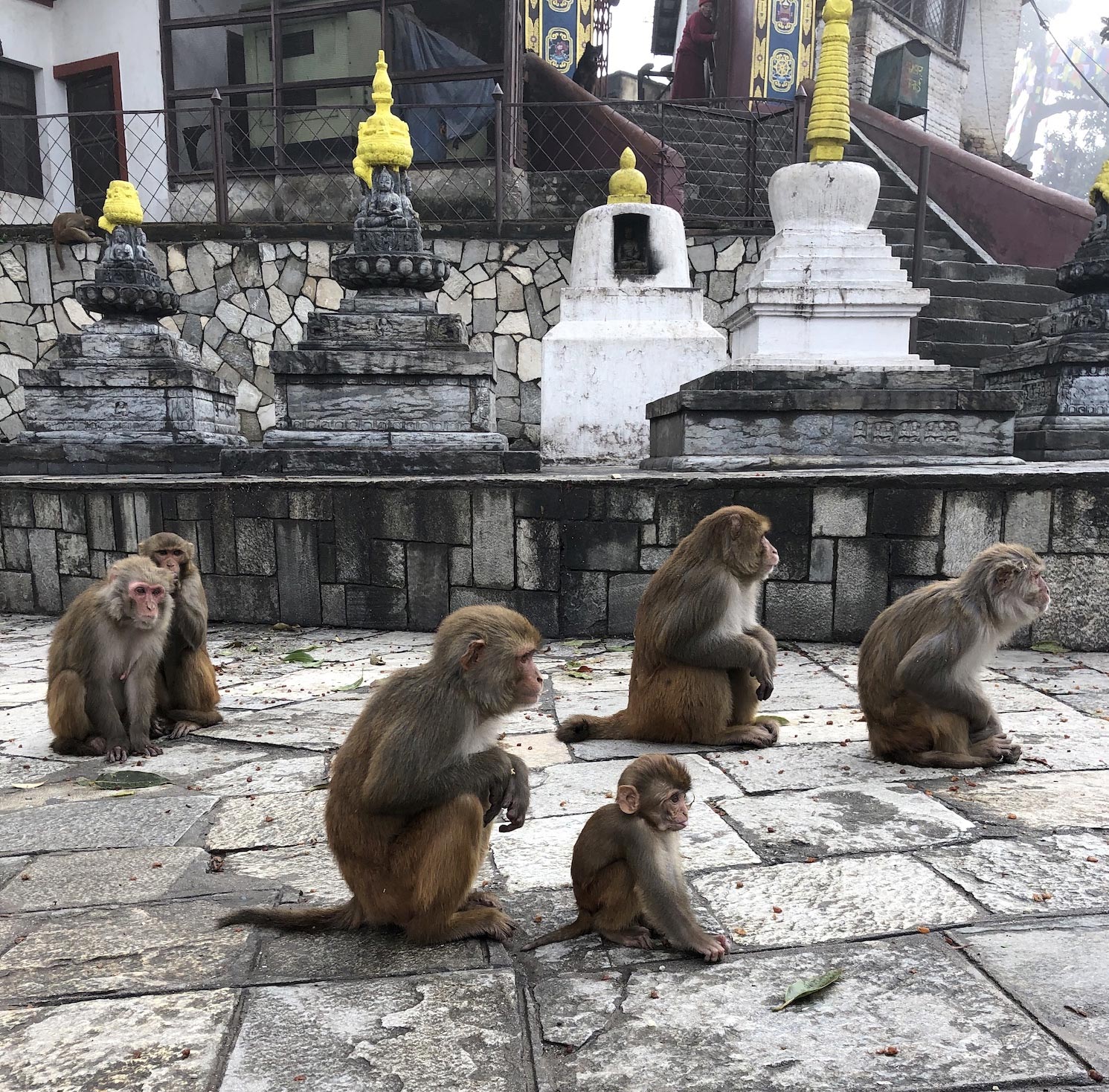
The data show clear trends in spillover risk that highlight how people have interacted with animals throughout history.
Among the findings:
- Domesticated animals, including livestock, have shared the highest number of viruses with humans, with eight times more zoonotic viruses compared to wild mammalian species. This is likely a result of our frequent close interactions with these species for centuries.
- Wild animals that have increased in abundance and adapted well to human-dominated environments also share more viruses with people. These include some rodent, bat, and primate species that live among people, near our homes, and around our farms and crops, making them high risk for ongoing transmission of viruses to people.
- At the other end of the spectrum are threatened and endangered species. These are animals whose population declines were connected to hunting, wildlife trade, and decreases in habitat quality. These species were predicted to host twice as many zoonotic viruses compared to threatened species that had populations decreasing for other reasons.
Threatened and endangered species also tend to be highly managed and directly monitored by humans trying to bring about their population recovery, which also puts them into greater contact with people. Bats repeatedly have been implicated as a source of “high consequence” pathogens, including SARS, Nipah virus, Marburg virus and ebolaviruses, the study notes.
“We need to be really attentive to how we interact with wildlife and the activities that bring humans and wildlife together,” Johnson said. “We obviously don’t want pandemics of this scale. We need to find ways to co-exist safely with wildlife, as they have no shortages of viruses to give us.”
Reference: “Global shifts in mammalian population trends reveal key predictors of virus spillover risk” by Christine K. Johnson, Peta L. Hitchens, Pranav S. Pandit, Julie Rushmore, Tierra Smiley Evans, Cristin C. W. Young and Megan M. Doyle, 7 April 2020, Proceedings of the Royal Society B.
DOI: 10.1098/rspb.2019.2736
Study co-authors include Peta Hitchens of the University of Melbourne Veterinary Clinic and Hospital, and Pranav Pandit, Julie Rushmore, Tierra Smiley Evans, Cristin Weekley Young and Megan Doyle of the UC Davis One Health Institute’s EpiCenter for Disease Dynamics.
The study was supported by funding through the USAID Emerging Pandemic Threat PREDICT program and the National Institute of Health.
Never miss a breakthrough: Join the SciTechDaily newsletter.
Follow us on Google and Google News.
2 Comments
Humans are the threat to all animal life, that is the certainty. We can’t even go a day without warring upon each other. The planet is being polluted beyond repair. Humans are worse than any virus, in my opinion.
I agree Windy but as I read all these articles on animals and the virus, I see that the true parasite “humanity” will decide to get rid of animals rather than stop breeding like unchecked pathogens.