
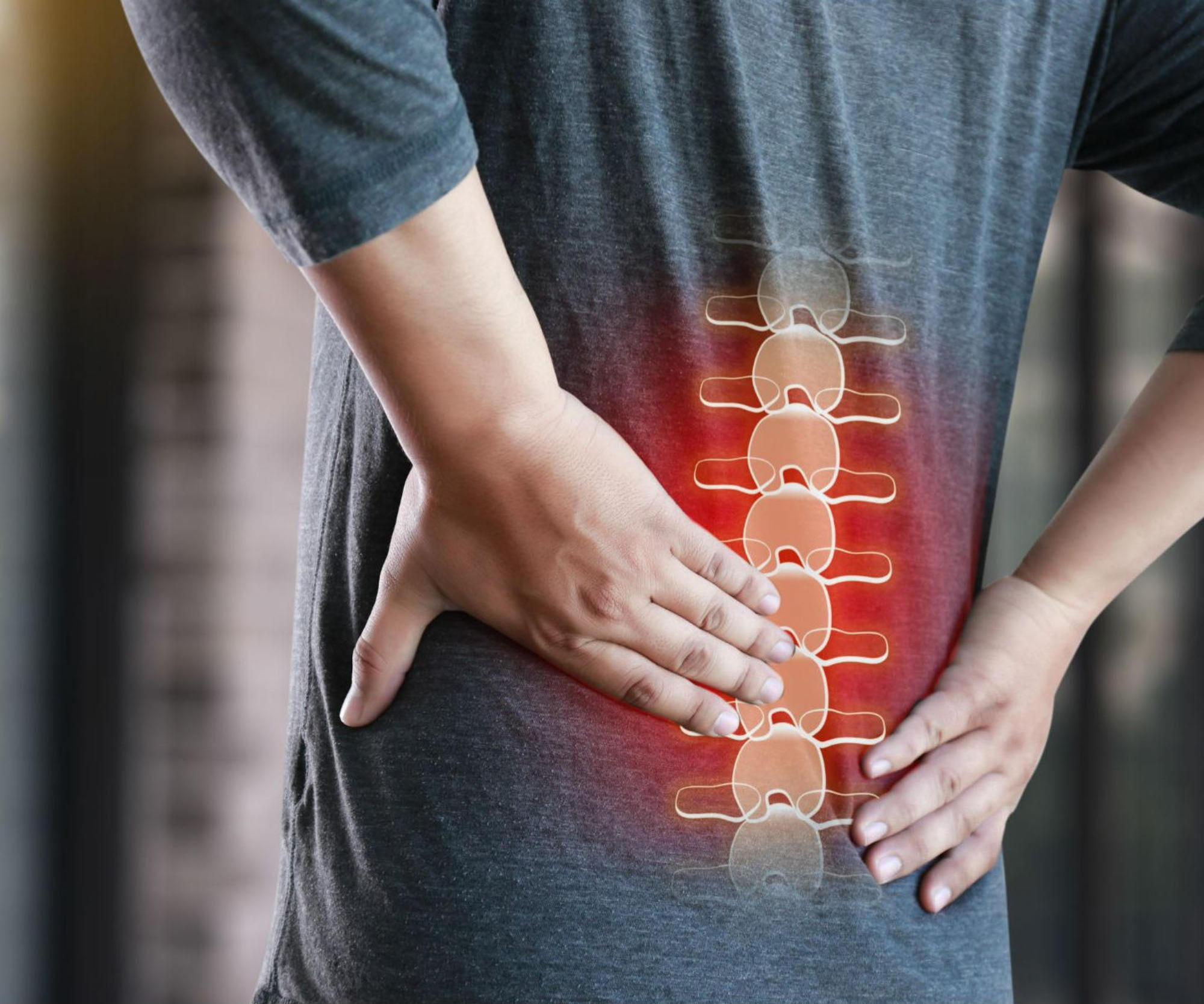
A University of Sydney study suggests that integrating lifestyle support into chronic low back pain treatment can significantly reduce disability and improve quality of life.
Low back pain is a leading cause of disability worldwide, and common treatments like medication often fail to provide long-term relief. However, researchers at the University of Sydney’s Centre for Rural Health have identified a promising approach. Their study, published in JAMA Network Open, found that incorporating lifestyle support into back pain treatment can reduce disability and improve quality of life.
The randomized controlled trial involved 346 participants from across Australia, all experiencing chronic low back pain and at least one lifestyle risk factor—such as obesity, poor diet, physical inactivity, or smoking. Participants were randomly assigned to one of two groups: the “Healthy Lifestyle Program (HeLP)” or standard guideline-based physiotherapy care for low back pain management.
The HeLP participants received support from physiotherapists, dietitians, and telephone health coaches who helped them work out which lifestyle habits might be influencing their back pain, such as weight, inactivity, poor diet, poor sleep, smoking, or excessive alcohol use. They were then provided evidence-based advice over a six-month period to help address the lifestyle challenge.
Results: Significant Benefits of Lifestyle-Integrated Care
The approach showed several benefits compared to standard care including reduced disability, with participants scoring an average of 1.3 points lower on the Roland Morris Disability Questionnaire (higher scores indicate greater disability). HeLP participants also lost an average of 1.6kg more than the control group.
Chief Investigator Associate Professor Chris Williams explained that the findings challenge traditional views of back pain management:
“Resolving back pain needs to focus on more than the back. Our bodies are not like machines, we are more like ecosystems where lots of factors interact and determine how we work and feel. Back pain is no different. So, when someone has back pain that doesn’t get better, they should expect to get comprehensive care about a range of health factors, not just a focus on what’s happening in their spine. We should shout this message from rooftops.”
Rethinking Traditional Back Pain Treatments
“Increasing numbers of studies have shown that pathologies like bulging discs and joint degeneration are rarely the cause of long-term back pain,” said Associate Professor Williams. “The problem is, few people are told this, and even fewer are given support to focus on the things that influence long-term pain and disability. Too many people are referred for surgery or prescribed medications that don’t help—and may even lead to more harm.”
The study underscores the need for a shift in the treatment of back pain care, away from pills and procedures, and towards addressing the lifestyle factors that can make all the difference.
Lead author and University of Sydney Senior Research Officer Dr. Emma Mudd emphasized the real-world impact the program could have.
“Many people with long-term back pain tell us they feel abandoned, often being referred for high cost and ineffective treatments without being offered recommended treatments that promote self-management,” Dr. Mudd said.
“By shifting the focus to include lifestyle changes and providing simple, supportive interventions, patients feel empowered to take control of their pain. This approach not only improves their symptoms but also enhances their overall quality of life.”
The researchers believe that lifestyle-integrated care, like the HeLP program, could benefit patients beyond pain management, potentially reducing risks for other chronic diseases. However, Dr. Mudd noted that global guidelines have yet to fully embrace this approach:
“Our research could influence future updates to back pain guidelines. Patients valued the holistic support, and the outcomes speak for themselves.”
“Clinicians treating back pain should consider how they integrate lifestyle support into their day-to-day care. There doesn’t appear to be a right or a wrong way to do this, as long as the patient feels they are being heard, and they are part of the decision making,” said Associate Professor Williams.
Reference: “Healthy Lifestyle Care vs Guideline-Based Care for Low Back Pain: A Randomized Clinical Trial” by Emma Mudd, Simon R. E. Davidson, Steven J. Kamper, Priscilla Viana da Silva, Connor Gleadhill, Rebecca Kate Hodder, Robin Haskins, Bruce Donald, Christopher M. Williams, Healthy Lifestyle Program (HeLP) for Chronic Low Back Pain Trial working group, Hopin Lee, Damien Smith, John Wiggers, Karen Gillham, Alix Hall, Christopher Oldmeadow, Erin Nolan, Emma-Leigh Simpson, Martin O’Neill and Catherine Groves, 10 January 2025, JAMA Network Open.
DOI: 10.1001/jamanetworkopen.2024.53807
Never miss a breakthrough: Join the SciTechDaily newsletter.
Follow us on Google and Google News.
2 Comments
Thank you for this excellent article It was very helpful and informative.
What a hokey article!
Common sense would dictate that you search for and deal with the CAUSE of a problem, which is what this “lifestyle support” means, BEFORE treating the problem with drugs or surgery. If that isn’t being done by the doctors, if they are simply capitulating to patients request for pain drugs because they refuse to adjust their lifestyles, then they are mistreating the patient and should be reprimanded or lose their license to practice.