
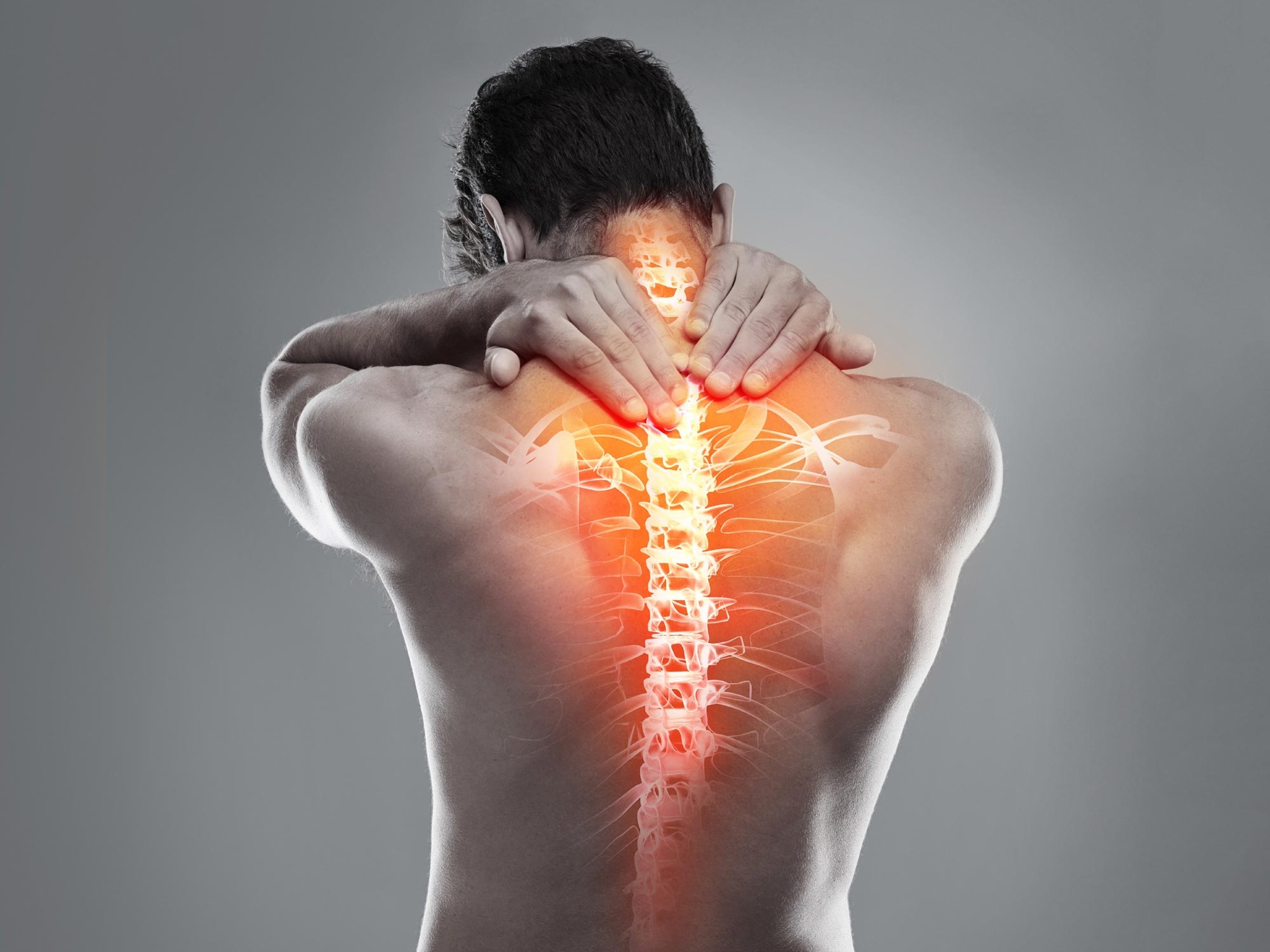
Australian researchers discovered that training the brain to manage emotions can reduce chronic pain, offering a promising new therapy.
A groundbreaking study from UNSW Sydney and Neuroscience Research Australia (NeuRA) has found that the way our brains handle emotions could be the missing key to treating chronic pain.
Led by Professor Sylvia Gustin and Dr. Nell Norman-Nott, the research was part of a clinical trial conducted at NeuRA’s Centre for Pain IMPACT. The results, now published in JAMA Network Open, show that improving emotional processing in the brain can significantly reduce the experience of chronic pain.
“By changing how we manage emotions, it is possible to change the experience of pain itself,” Prof. Gustin says. “This is not just a temporary relief but a potential long-term improvement in quality of life for those affected by chronic pain.”
To explore this, the researchers developed a new digital health treatment called Pain and Emotion Therapy. This innovative approach helps retrain the brain to better handle emotions. The goal is to reduce the intensity of negative emotional reactions and strengthen the ability to experience positive emotions.
The trial took place from March 2023 to September 2024 and focused on the experiences of 89 people with chronic pain. The authors say the results could lead to new ways of treating chronic pain, emphasizing the profound impact of emotional health on physical wellbeing.
The online therapy, made available through the trial, is the first of its kind, delivered through eight group-based therapist-guided sessions by video conference across Australia. Participants also used an app and handbook for self-learning. The control group continued their usual treatment.
Prof. Gustin says those who received the new treatment reported better emotional regulation as well as pain reduction equal to a 10-point decrease on a 100-point scale for pain intensity within a six-month follow-up.
“This shows not only a clinical improvement, but one that makes a noticeable difference in the daily lives of the people affected,” she says.
Understanding chronic pain
Chronic pain, defined as pain lasting longer than three months, affects around 30% of people globally. The economic costs are estimated to be higher than that of heart disease, cancer, and diabetes combined.
Declining mental health is also widespread, with up to 80% of people with chronic pain experiencing depression and anxiety. In addition, suicide rates are two to three times higher than those of the general population.
“A key factor in disease progression is the inability to regulate negative emotions,” Prof. Gustin says. “This is disrupted by the impact of persistent pain on the brain’s emotional circuitry. The resulting emotion dysregulation is an ill-understood and undertreated aspect of chronic pain, which we addressed in this trial.”
Study participant Jabez Allies has had chronic back pain for 10 years. She says chronic pain affects her emotions.
“It makes me feel more worried, moody, and frustrated, which in turn affects my pain. The more negative emotions I have, the worse my pain is, and vice versa,” she says.
Prof. Gustin says this cycle of worsening pain and increasing negative emotions is a common presentation.
“It shows us that chronic pain really does have a considerable effect on how people feel and the level of pain they experience.”
A boost to traditional treatments
Dr. Norman Nott says that in the past 50–60 years, the model of chronic pain has shifted focus.
“We’ve gone from purely medical and biological approaches to a more holistic treatment model that includes addressing social and psychological experiences,” Dr. Norman Nott says.
She says that while prescription and non-prescription pain medications continue to play an important role in treatment, they have limitations.
“I’m thinking particularly of side effects and diminishing efficacy over time. Opioids, specifically, present considerable issues with dependency and declining effectiveness.”
She says, “Though psychological therapies come with few side effects, we know there are still improvements needed, particularly to address the key mental health concerns of people with chronic pain, such as identifying and expressing emotions, and calming down emotional reactiveness.
“The focus on training for emotional regulation appears to be the missing piece of the jigsaw puzzle of chronic pain treatment.
“This is why we created this therapy – to focus on emotion processing by improving how people manage their emotions.”
Richard Beaumont is a participant who has had cancer pain and chronic lower back pain for 11 years. He says he frequently gets pain that reaches an eight or nine out of 10.
“After receiving Pain and Emotion Therapy, I can bring this right down to a four or five just by calming the farm,” he says.
Targeting the emotional brain
“Previous research shows us that the brain can be trained to identify negative emotions and regulate them,” Prof. Gustin says. “With this trial, we can now see that engaging emotion regulation skills can reduce the intensity of pain and improve several other factors such as depression, anxiety,y and sleep problems.”
Dr Norman-Nott says this new therapy works by teaching participants that we need emotions in our lives.
“Often when we live with chronic pain for many years, negative emotions get pushed down and positive emotions become harder to identify,” Dr Norman-Nott says.
“We focus on helping to identify and bring up those negative emotions so that they can be acknowledged and resolved – while also realizing the potential positive aspects of life and setting goals for the future.”
Accessible treatment for all
The accessibility of psychological treatment for chronic pain is a key point of governmental concern.
The progression and management of the disease are further aggravated by long wait times and limited healthcare services outside of capital cities.
“Our online treatment delivery reduced barriers by making it accessible to those who struggle with mobility, social anxiety, or physical exhaustion from travelling to in-person appointments,” Dr Norman-Nott says.
“It enabled them to participate from every state in Australia, including many from remote and regional locations.
“Participants attended the online sessions from their homes, or wherever it was comfortable for them, so they could train their emotion regulation skills when it suited them via the customized app and workbook.”
The next step for rolling out Pain and Emotion Therapy is a larger clinical trial supported by the Medical Research Future Fund, due to start in 2026.
The researchers are now calling for participants to register their interest in the trial.
“The results we’ve seen so far are a big improvement in our understanding of chronic pain, showing how important it is to treat both the body and emotions together,” says Prof. Gustin.
Reference: “Online Dialectical Behavioral Therapy for Emotion Dysregulation in People With Chronic Pain: A Randomized Clinical Trial” by Nell Norman-Nott, Nancy E. Briggs, Negin Hesam-Shariati, Chelsey R. Wilks, Jessica Schroeder, Ashish D. Diwan, Jina Suh, Jill M. Newby, Toby Newton-John, Yann Quidé, James H. McAuley and Sylvia M. Gustin, 6 May 2025, JAMA Network Open.
DOI: 10.1001/jamanetworkopen.2025.6908
Never miss a breakthrough: Join the SciTechDaily newsletter.
Follow us on Google and Google News.