
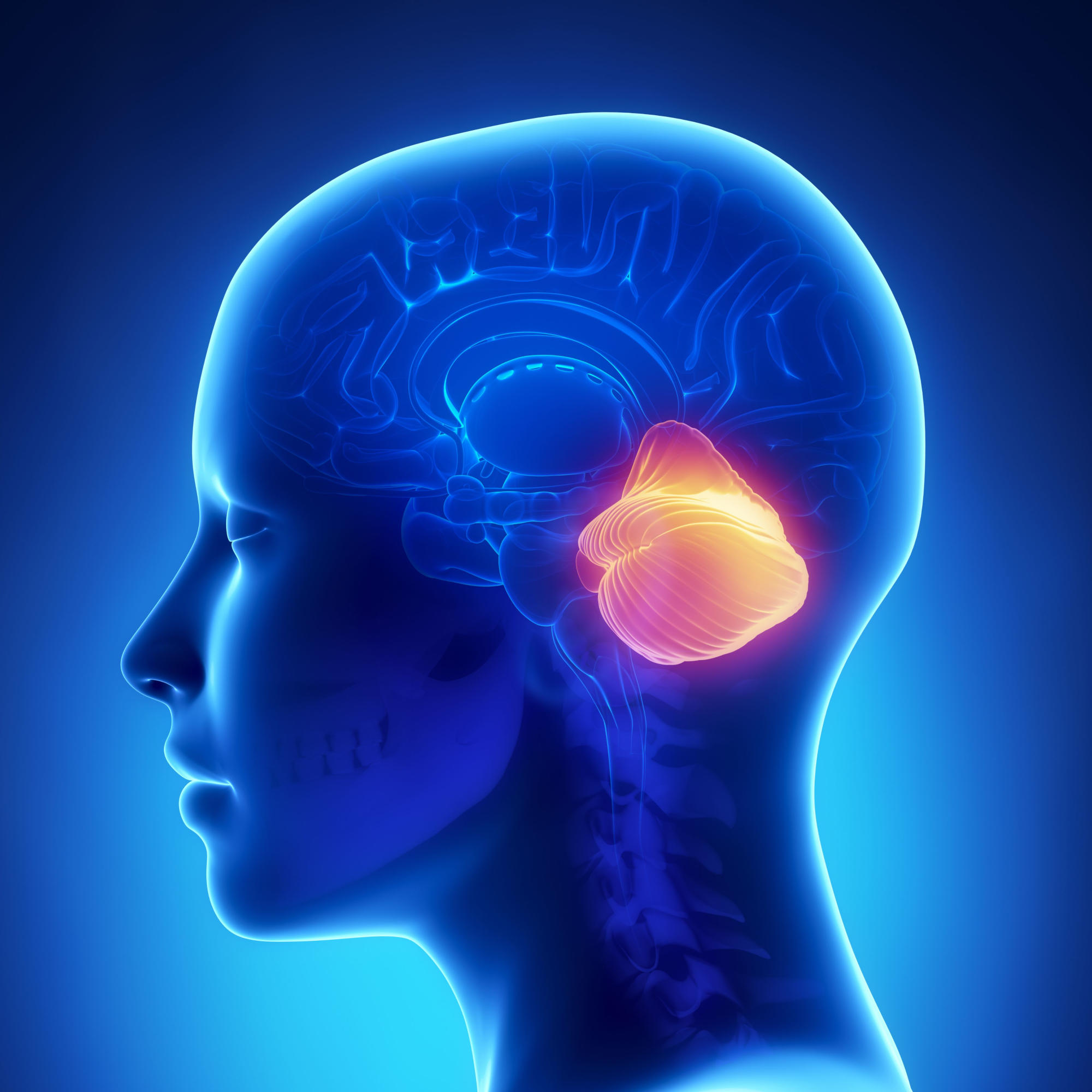
Recent research has revealed the cerebellum’s significant role in both motor coordination and social-cognitive processes, challenging the traditional focus on the cerebrum.
In a recent study published in Nature Reviews Neuroscience, Professor Frank Van Overwalle, from the Brain, Body, and Cognition research group at Vrije Universiteit Brussel (VUB), highlights the underappreciated role of the cerebellum in both motor functions and social-cognitive processes. His research supports a growing trend in neuroscience, which has historically concentrated more on the cerebrum.
For decades, the cerebellum was primarily associated with motor coordination.
“People with cerebellar abnormalities often experience motor issues,” Van Overwalle explains. “For example, they struggle to smoothly touch their nose with a finger. These difficulties highlight the cerebellum’s essential role in refining motor movements.”
Expanding Beyond Motor Functions
However, Van Overwalle’s research extends beyond motor functions, exploring the cerebellum’s involvement in social and cognitive abilities. His findings reveal that abnormalities in the cerebellum not only lead to motor deficits but are also linked to emotional and behavioral disorders. He references research on individuals with autism, demonstrating how non-invasive brain stimulation techniques like magnetic stimulation can improve social task performance.
“We’ve seen improvements in the sequence of cognitive tasks in people with autism through magnetic stimulation,” says Van Overwalle. “We’re now testing more complex tasks to see if these effects can be further enhanced, with the ultimate goal of developing practical treatments for people with autism.”
A notable breakthrough is the use of transcranial electrical stimulation (tES), a more affordable and accessible technique compared to magnetic stimulation. While the effects of tES are still limited, the research group is committed to further development, seeing its potential for wide-scale application in the future.
This research offers a fresh perspective on the cerebellum’s role and paves the way for new treatments for psychiatric and neurological conditions, such as autism spectrum disorders. “Our hope is to refine these techniques further to improve social and cognitive functions in people with autism,” concludes Van Overwalle.
Reference: “Social and emotional learning in the cerebellum” by Frank Van Overwalle, 21 October 2024, Nature Reviews Neuroscience.
DOI: 10.1038/s41583-024-00871-5
Never miss a breakthrough: Join the SciTechDaily newsletter.
Follow us on Google and Google News.
2 Comments
Come out with a guaranteed PILL that WORKS and my son will be first in line. Living with an individual with autism is tough and, at times, very depressing.
Tell me more about the author? Where are these studies being performed and on what spectrum? What are the result’s. Show me the data?