
Close Menu
    Facebook X (Twitter) Instagram
    SciTechDaily
    • Biology
    • Chemistry
    • Earth
    • Health
    • Physics
    • Science
    • Space
    • Technology
    Facebook X (Twitter) Pinterest YouTube RSS
    SciTechDaily
    Home»Science»Bedbugs are Successful Because of Inbreeding
    Science

    Bedbugs are Successful Because of Inbreeding

    By SciTechDailyDecember 19, 20113 Comments1 Min Read
    Facebook Twitter Pinterest Telegram LinkedIn WhatsApp Email Reddit
    Share
    Facebook Twitter LinkedIn Pinterest Telegram Email Reddit
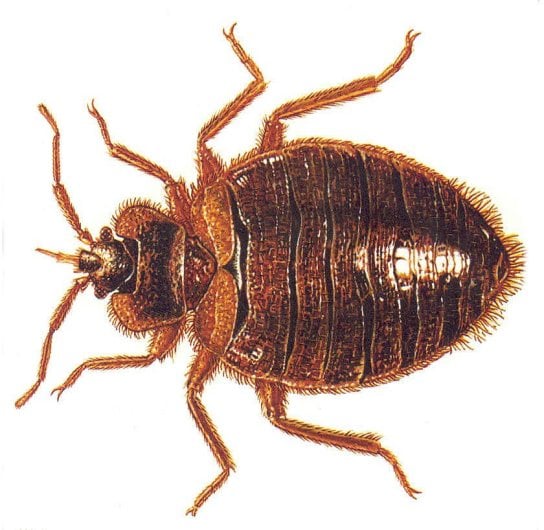
    Bedbugs Are Successful Because Of Inbreeding
    Unlike most species, where inbreeding can result in hidden genetic defects, bedbugs are exceptions to this rule.

    Inbreeding isn’t generally considered a good trait in any offspring, but bedbugs and a few other insects are pretty good at it.

    Coby Schal at North Carolina State University (NCSU) studied the genetic diversity of bedbugs in US buildings. Interestingly, the diversity is so low that sometimes an entire building’s infestation can stem from one pregnant female.

    Normally inbreeding leads to genetic defects hidden in the recessive genes of the parents. Bedbugs, along with cockroaches are the exception to the rule. Schal believes that some inbred populations may already be on their 70th generation. If that’s true, you can bet that many are far further along.

    That puts a damper on using inbreeding as a weakness to kill them, but we already have some good common sense ways to avoid infestations anyway, like keeping your home clean and clutter-free. So it turns out, the vacuum cleaner may still be the best defense.

    Never miss a breakthrough: Join the SciTechDaily newsletter.
    Follow us on Google and Google News.

    Bedbugs North Carolina State University
    Share. Facebook Twitter Pinterest LinkedIn Email Reddit

    Related Articles

    This Shape-Shifting Polymer Lantern Moves Like It’s Alive

    “Dueling Dinosaurs” Fossil Solves One of Paleontology’s Biggest Debates

    Roaches Are Making You Sick, and Getting Rid of Them Could Clean Your Air

    Scientists Just Found the Oldest Dome-Head Dinosaur Ever

    Genetic Breakthrough Uncovers the Andean Origins of the Irish Potato Famine Pathogen

    Global Blueberry Crisis: Devastating Fungus Rapidly Spreading Across the Globe

    Ancient DNA Reveals Secrets of Potato Pathogen Wars

    Scientists Discover Unusual New Dinosaur Species That Lived Underground

    Innovation in Metalworking: Welding Metal Foam Without Melting Its Bubbles

    3 Comments

    1. Bizz the bed bug guy on December 20, 2011 11:28 am

      The fact that they share this impressive, if not creepy, trait with cockroaches tells us all we need to know about bed bugs in general… they are survivors, and they are here to stay!

      Reply
      • Santa Fe Springs pest exterminator on February 17, 2012 4:50 am

        Bed bugs are obligatory hematophagous (bloodsucking) insects. Most species feed on humans only when other prey are unavailable.[13][14][15] Bed bugs are attracted to their hosts primarily by carbon dioxide, secondarily by warmth, and also by certain chemicals. A bed bug pierces the skin of its host with what is called a stylet fascicle. This is a unit composed of the maxillae and mandibles which have been modified into elongate shapes from a basic, ancestral style. The right and left maxillary stylets are connected at their midline and a section at the centerline forms a large food canal and a smaller salivary canal. The entire maxillary and mandibular bundle penetrates the skin. The tips of the right and left maxillary stylets are not the same: the right is hook-like and curved, the left straight. The right and left mandibular stylets extend along the outer sides of their respective maxillary stylets and do not reach anywhere near the tip of the fused maxillary stylets. The stylets are retained in a groove in the labium and during feeding they are freed from the groove as the jointed labium is bent or folded out of the way: its tip never enters the wound. The mandibular stylet tips have small teeth and through alternately moving these stylets back and forth, the insect cuts a path through tissue for the maxillary bundle to reach an appropriate sized blood vessel. Feeding by sucking for about three to five minutes or more, the bug then withdraws the stylet bundle from the feeding position and retracts it back into the labial groove, folds the entire unit back under the head, and returns to its hiding place.[4] It takes between five to ten minutes for a bed bug to become completely engorged with blood.”

        Reply
    2. Weddings on April 27, 2020 1:30 pm

      Bed bugs haven’t been the problem lately that they have been in the recent past.

      Reply
    Leave A Reply Cancel Reply

    • Facebook
    • Twitter
    • Pinterest
    • YouTube

    Don't Miss a Discovery

    Subscribe for the Latest in Science & Tech!

    Trending News

    Artificial Sweeteners May Harm Future Generations, Study Suggests

    Splashdown! NASA Artemis II Returns From Record-Breaking Moon Mission

    What If Consciousness Exists Beyond Your Brain

    Scientists Finally Crack the 100-Million-Year Evolutionary Mystery of Squid and Cuttlefish

    Beyond “Safe Levels”: Study Challenges What We Know About Pesticides and Cancer

    Researchers Have Found a Dietary Compound That Increases Longevity

    Scientists Baffled by Bizarre “Living Fossil” From 275 Million Years Ago

    Your IQ at 23 Could Predict Your Wealth at 27, Study Finds

    Follow SciTechDaily
    • Facebook
    • Twitter
    • YouTube
    • Pinterest
    • Newsletter
    • RSS
    SciTech News
    • Biology News
    • Chemistry News
    • Earth News
    • Health News
    • Physics News
    • Science News
    • Space News
    • Technology News
    Recent Posts
    • “Asian Flush” May Be a Hidden Trigger for Deadly Heart Damage
    • AI Could Detect Early Signs of Alzheimer’s in Under a Minute – Far Before Traditional Tests
    • What if Dark Matter Has Two Forms? Bold New Hypothesis Could Explain a Cosmic Mystery
    • Researchers Expose Hidden Chemistry of “Ore-Forming” Elements in Biology
    • Geologists Reveal the Americas Collided Earlier Than We Thought
    Copyright © 1998 - 2026 SciTechDaily. All Rights Reserved.
    • Science News
    • About
    • Contact
    • Editorial Board
    • Privacy Policy
    • Terms of Use

    Type above and press Enter to search. Press Esc to cancel.