
Close Menu
    Facebook X (Twitter) Instagram
    SciTechDaily
    • Biology
    • Chemistry
    • Earth
    • Health
    • Physics
    • Science
    • Space
    • Technology
    Facebook X (Twitter) Pinterest YouTube RSS
    SciTechDaily
    Home»Space»Russia’s Mars Probe will Come Down in January
    Space

    Russia’s Mars Probe will Come Down in January

    By SciTechDailyDecember 19, 2011No Comments2 Mins Read
    Facebook Twitter Pinterest Telegram LinkedIn WhatsApp Email Reddit
    Share
    Facebook Twitter LinkedIn Pinterest Telegram Email Reddit
    Russia's Mars Probe Will Come Down In January
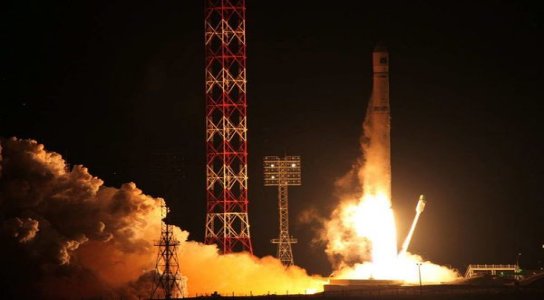
    The Russian Phobos-Ground spacecraft, initially bound for a Martian moon, is now stuck in Earth’s orbit and will crash down next month.

    After losing contact back in November, the Russian Space Agency admits failure. The Russian Phobos-Ground spacecraft, which was to be headed for a moon of Mars and is now stuck in Earth’s orbit, will come crashing down next month. The toxic fuel and radioactive material on board is cause for concern, but according to the Russian Space Agency, there will be no danger of contamination. We hope they are correct.

    We can expect 20 to 30 fragments to survive the fall and hit Earth’s surface, with a total weight of up to 200 kilograms (440 pounds.) The agency says that it will come down between January 6 and January 19. A few days before, they will be able to calculate roughly where the fragments will land. This was the first time that they have officially acknowledged that the $170-million craft has been lost and will come down.

    They have tried unsuccessfully to veer it away from Earth’s orbit and toward its target, but to no avail and so it will come back down, observing Newton’s Law. Phobos-Ground weighs 13.2 metric tons (14.6 tons) with 11 metric tons (12 tons) accounting for the toxic fuel that they are sure will all burn up on re-entry, safely away from us.

    Never miss a breakthrough: Join the SciTechDaily newsletter.
    Follow us on Google and Google News.

    Mars Russia Spacecraft
    Share. Facebook Twitter Pinterest LinkedIn Email Reddit

    Related Articles

    From Earth to Mars in Two Years? NASA’s Nuclear Solution

    HiRISE Images Show Old NASA Mars Lander

    NASA’s Mars Science Laboratory Spacecraft Changes Trajectory

    Orion Mockup Takes Final Splash Test

    NASA Plans Trajectory Maneuver for Mars Science Laboratory Spacecraft

    NASA Probe Takes Close-Up Photos of Giant Vesta Asteroid

    NASA’s Voyager 1 in “Cosmic Purgatory”

    The Mars Rover Curiosity Planetary Protection Snafu

    NASA Curiosity Heads to Mars

    Leave A Reply Cancel Reply

    • Facebook
    • Twitter
    • Pinterest
    • YouTube

    Don't Miss a Discovery

    Subscribe for the Latest in Science & Tech!

    Trending News

    Could Low Vitamin D Be Making Your Pain Worse?

    Scientists Discover Once-Weekly Workout That Melts Belly Fat Surprisingly Effectively

    Scientists Just Tested a Thruster Powerful Enough for Human Missions to Mars

    Doctors Say Your Ice Pack Might Be Making Injuries Worse

    Scientists Discover 43-Foot Sea Reptile Twice the Size of a Great White Shark

    Bees and Birds Are Drinking Alcohol From Flowers

    Scientists Discover How Obesity May Trigger Alzheimer’s Disease

    Scientists Confirm Alcohol Causes Widespread Health Damage

    Follow SciTechDaily
    • Facebook
    • Twitter
    • YouTube
    • Pinterest
    • Newsletter
    • RSS
    SciTech News
    • Biology News
    • Chemistry News
    • Earth News
    • Health News
    • Physics News
    • Science News
    • Space News
    • Technology News
    Recent Posts
    • Simple Family Routines May Be the Secret to a Smoother Start at School
    • Brain Study Overturns Long-Held Beliefs About How Humans Learn Speech
    • Ancient Goose Fossil Challenges Long-Held Theories About New Zealand Birds
    • A Tiny Bright-Blue Octopus Found in the Galápagos Is Completely New to Science
    • Scientists Stop Pancreatic Cancer Before It Starts in Landmark Preclinical Study
    Copyright © 1998 - 2026 SciTechDaily. All Rights Reserved.
    • Science News
    • About
    • Contact
    • Editorial Board
    • Privacy Policy
    • Terms of Use

    Type above and press Enter to search. Press Esc to cancel.