
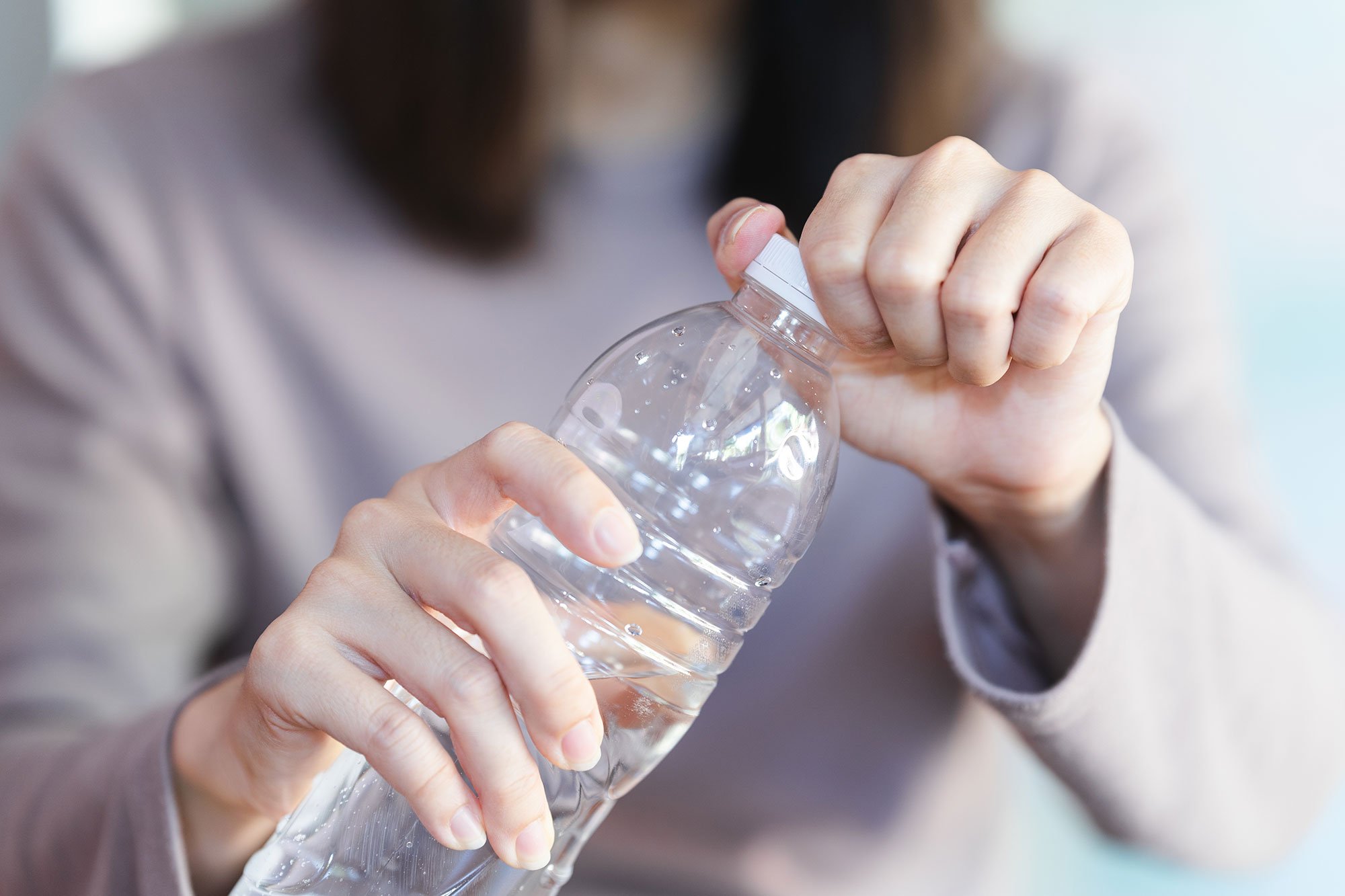
Researchers in Guatemala discovered that the water sources people consider safest may harbor the greatest contamination, while less-trusted sources can be cleaner than expected.
A research team led by Washington State University has reported that many drinking water sources in Guatemala that people consider clean and reliable may actually contain harmful bacteria.
The study focused on the Western Highlands of Guatemala, where scientists compared local beliefs about water safety with laboratory results. Most residents viewed large refillable jugs of bottled water as the safest option, yet this source showed the highest rate of coliform contamination among the 11 types of water tested. Coliform bacteria are commonly used as an indicator of fecal contamination. The research was published in the Journal of Water and Health.
“We found there is a clear disconnect between what people believe about water safety and what’s actually happening in their homes, and that can have major public health implications,” said Dr. Brooke Ramay, lead author and assistant research professor in the WSU College of Veterinary Medicine’s Paul G. Allen School for Global Health.
Globally, unsafe drinking water continues to pose a serious health challenge. More than 4 billion people lack access to safely managed water, and fecal contamination contributes to millions of cases of diarrheal illness each year, particularly among young children. Contaminated water is also increasingly linked to the spread of bacteria that resist many common antibiotics.
“Understanding how people view water safety is key to improving public health,” Ramay said. “When people believe their water is safe, they don’t take extra precautions, but when they see a risk, they change their behavior.”
Methods and Bacteria Tested
To better understand the issue, Ramay’s group surveyed 60 households, including 30 in urban areas and 30 in rural communities. They collected drinking water samples from bottled, piped, well, spring, and filtered sources. The samples were examined for coliforms, Escherichia coli, and bacteria that produce extended-spectrum beta-lactamase (ESBL) or carbapenem-resistant Enterobacterales (CRE).
These bacteria can withstand many widely used antibiotics and are known for causing infections that are difficult to treat. Although ESBL- and CRE-producing organisms can live harmlessly in the human digestive system, they can cause severe infections if they move into the bloodstream or urinary tract.
Despite bottled water being perceived as the safest, it was six times more likely to test positive for coliforms than other sources. Only 17% of bottled water samples collected in the study met World Health Organization standards for safe drinking water.
Many households in Guatemala rely on bottled water as their main source of drinking water. The jugs are typically filled at local purification plants or neighborhood refill stations, where water is treated before being sealed and delivered to homes and businesses.
“The problem isn’t usually with how the water is bottled – it’s what happens afterward,” Ramay said. “These jugs can be stored improperly, and dispensers aren’t cleaned regularly, and we think this can create ideal conditions for bacteria to grow.”
Contamination Across Water Sources
Across all water sources tested, researchers found coliform bacteria in 90% of samples, E. coli in 55% and ESBL in 30%. CRE, a particularly concerning form of antimicrobial-resistant bacteria, were rare but detected in some samples of piped household water. Finding these organisms in drinking water is especially concerning because they can spread antibiotic resistance, even without causing illness.
Despite being ranked lower in perceived safety, water from protected municipal wells – which are sealed, chlorinated, and maintained community sources – had the lowest on-site contamination rates, with no samples testing positive for coliforms or no detectable E. coli, ESBL, or CRE bacteria.
When municipal water was piped into homes, however, more than 65% of samples were contaminated with coliforms, while 28% had E. coli (28%), 11% ESBL, and 11% CRE (11%).
The study also revealed how cultural beliefs influence behavior. People who trust their water source are less likely to boil or treat it, or in the case of bottled water, to clean dispensers.
“Our results suggest that beliefs about water safety may actually contribute to contamination because people don’t take the same hygienic steps with sources they trust that they might with other, less trusted sources,” Ramay said.
Reference: “Comparing cultural perceptions of drinking water safety with water quality in urban and rural Guatemalan communities” by Brooke M. Ramay, Carmen Castillo, Paulina Garzaro, Natalie Fahsen, Lucas Santos, Andrea Gomez, Juan Carlos Romero, Joyce Lu, Celia Cordón-Rosales, Douglas R. Call and Mark A. Caudell, 6 September 2025, Journal of Water and Health.
DOI: 10.2166/wh.2025.056
Never miss a breakthrough: Join the SciTechDaily newsletter.
Follow us on Google and Google News.
1 Comment
Al least no micro plastics