
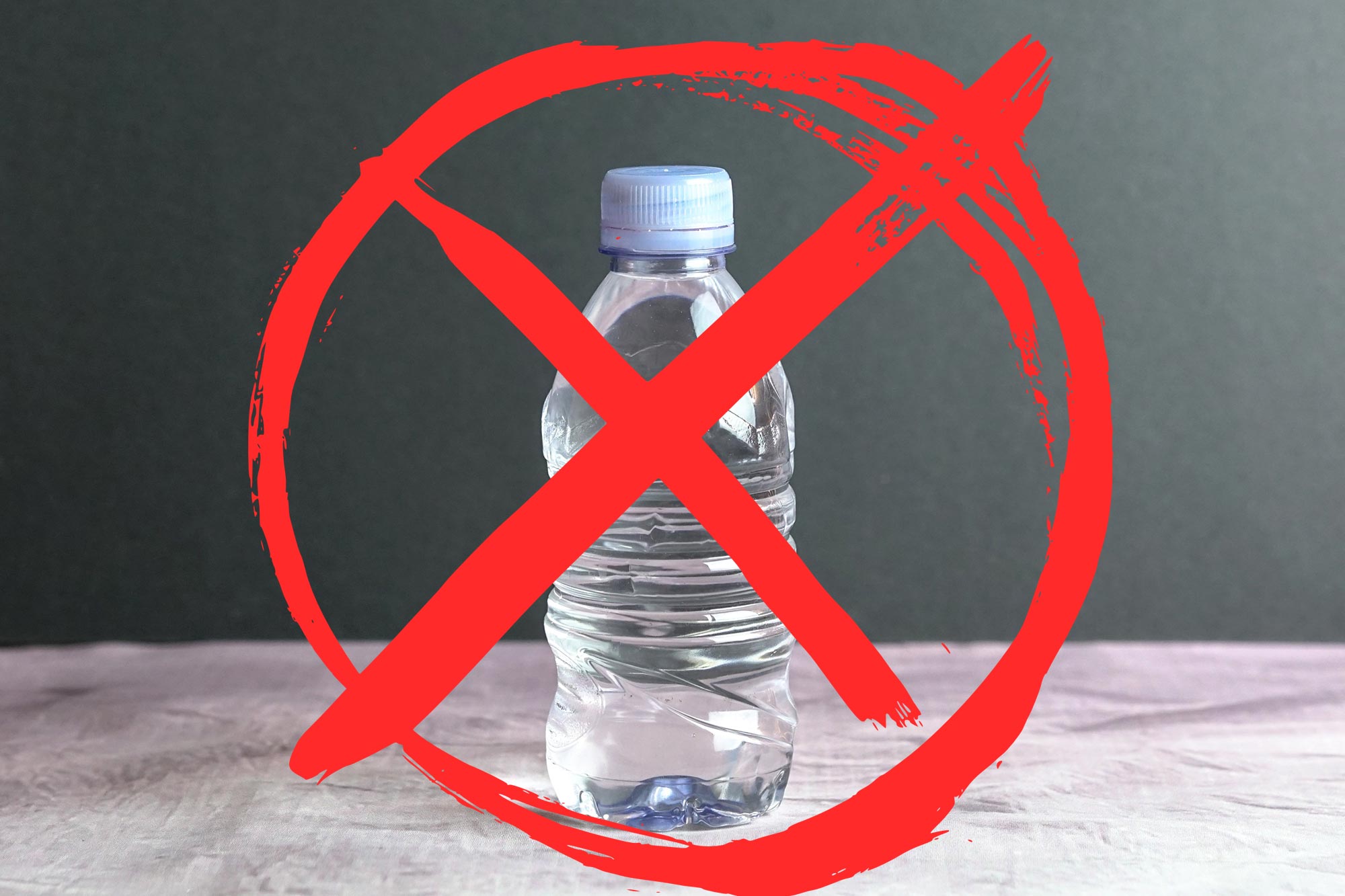
Recent research indicates that sunlight-exposed plastic water bottles release harmful VOCs, necessitating safer materials and stricter regulations.
A recent study explores the health hazards associated with volatile organic compounds (VOCs) emitted from plastic water bottles when they are exposed to sunlight. The research thoroughly investigated the types and toxicity of VOCs released under ultraviolet-A (UV-A) and solar irradiation, highlighting the importance of improved storage methods to guarantee the safety of drinking water.
Plastic water bottles are ubiquitous due to their convenience, yet they harbor potential risks. Sunlight exposure can lead these containers to degrade and emit volatile organic compounds (VOCs), which are potentially detrimental to human health. The booming bottled water market underscores the urgency for safer alternatives. In response to these concerns, there is a pressing need for in-depth research into more secure materials and production methods for water containers.
New Insights from Recent Research
Fresh insights into how sunlight can transform plastic water bottles into sources of air pollution are provided in new research by the Guangdong Key Laboratory of Environmental Pollution and Health, Jinan University, which was recently published in the journal Eco-Environment & Health.
The scientists analyzed the VOCs released from six types of plastic water bottles subjected to UV-A and sunlight. Results showed that all tested bottles emitted a complex mixture of alkanes, alkenes, alcohols, aldehydes, and acids, with significant variations in VOC composition and concentration among the bottles. Notably, highly toxic VOCs, including carcinogens like n-hexadecane, were identified, highlighting serious health risks. Prolonged exposure scenarios indicated an increased concentration of VOCs, pointing to a growing cumulative risk.
Research Findings and Implications
Dr. Huase Ou, the lead researcher, remarked, “Our findings provide compelling evidence that plastic bottles, when exposed to sunlight, can release toxic compounds that pose health risks. Consumers need to be aware of these risks, especially in environments where bottled water is exposed to sunlight for prolonged periods.”
This study not only casts light on the chemical stability of polyethylene terephthalate (PET) bottles but also carries significant implications for public health and safety regulations. Understanding the conditions under which these VOCs are released can guide the improvement of manufacturing practices and material selection for bottled water containers. Furthermore, it underscores the need for enhanced consumer awareness and stricter industry regulations to reduce exposure to these potentially harmful compounds.
Reference: “Characterizing the photodegradation-induced release of volatile organic compounds from bottled water containers” by Ruijuan Liu, Zhianqi Liao, Jing Zheng, Xinni Wu, Zongyi Tan and Huase Ou, 8 February 2024, Eco-Environment & Health.
DOI: 10.1016/j.eehl.2024.01.005
This project is supported by the National Natural Science Foundation of China (Grant No. 42377373) and Southern Marine Science and Engineering Guangdong Laboratory (Zhuhai) (No. SML2021SP208).
Never miss a breakthrough: Join the SciTechDaily newsletter.
Follow us on Google and Google News.
2 Comments
No, they’re not safe. But then again, in this advanced technological world – what is?
Quoting the conclusion of the paper; “Considering the average weight of a container (approximately 20 g), the amount of VOCs volatilized from a single container was only a few nanograms. Consequently, even after long-term exposure, opening and consuming water from a bottled container poses minimal health risks to humans.”
So don’t worry about dying just because you drank from a water bottle that you left out in the sun on a hot day. (Although you probably should avoid that in the future.) This article is right that we should look into more safe materials and that VOCS are dangerous, but not at least mentioning this conclusion is misrepresenting the paper.