
Close Menu
    Facebook X (Twitter) Instagram
    SciTechDaily
    • Biology
    • Chemistry
    • Earth
    • Health
    • Physics
    • Science
    • Space
    • Technology
    Facebook X (Twitter) Pinterest YouTube RSS
    SciTechDaily
    Home»Biology»Brain Development Continues Far Beyond Birth, Study Finds
    Biology

    Brain Development Continues Far Beyond Birth, Study Finds

    By University of PittsburghNovember 20, 2024No Comments3 Mins Read
    Facebook Twitter Pinterest Telegram LinkedIn WhatsApp Email Reddit
    Share
    Facebook Twitter LinkedIn Pinterest Telegram Email Reddit
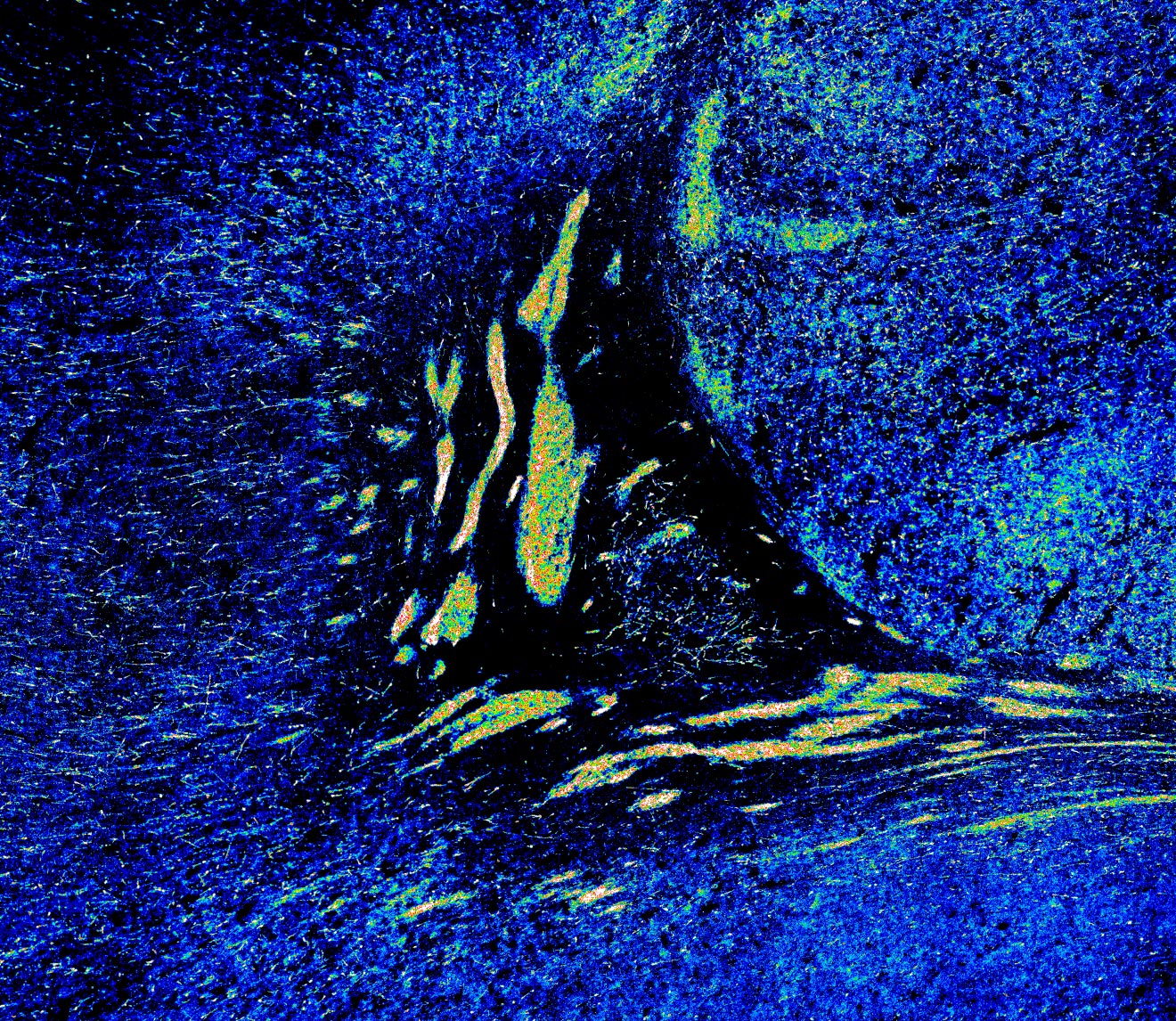
    Neuronal Migration and Recruitment Continue Postnatally in Humans
    Large chains of migrating cells forming braided streams break down into a shower of young migrating neurons that continue to integrate into the entorhinal cortex and neighboring regions until 2-3 years of age. Credit: Lab of Shawn Sorrell/Pitt

    New research shows the brain continues developing post-birth, with significant neuron migration in the entorhinal cortex enhancing learning and memory capabilities.

    The human brain continues to develop long after birth, much longer than previously thought, according to research led by Shawn Sorrells, an assistant professor of neuroscience at the Kenneth P. Dietrich School of Arts and Sciences. Sorrells’s findings, published in the journal Nature, shed light on key processes that shape critical brain functions like learning, memory, and spatial navigation.

    Neuronal Migration in the Entorhinal Cortex

    The study reveals that a specific group of inhibitory neurons in the entorhinal cortex (EC)—a region of the brain vital for forming memories—continues to migrate and establish connections from birth through toddlerhood. This extensive postnatal neuronal migration may drive critical periods of neuroplasticity, during which the brain is highly adaptable and responsive to changes.

    Additionally, the research suggests a link between this prolonged migration and the vulnerability of EC neurons to neurodegeneration. Previous studies have shown that these same neurons are among the first affected in Alzheimer’s disease, offering a potential explanation for their susceptibility.

    Insights From Brain Sample Analysis

    By analyzing brain samples that were provided, in part, by the epilepsy tissue bank at UPMC Children ’s Hospital and the Neuropathology Department at UPMC Presbyterian Hospital, Sorrells’ research team was first to show that, unlike what was previously thought, neuronal migration of such scale and duration is extensive within regions that control thoughts and emotions. The discovery offers an explanation for how the human brain makes billions of new neurons over a very short time span through a mechanism that allows neurons to continue arriving after birth.

    Surprising Findings on Neuronal Recruitment

    “It is generally thought that the brain is done recruiting neurons by the time an individual is born,” said Sorrells. “We were incredibly excited to learn that not only does large-scale neuronal migration continue into specific brain regions, but that this process also continues into ages when children are crawling and beginning to walk.”

    Reference: “Protracted neuronal recruitment in the temporal lobes of young children” by Marcos Assis Nascimento, Sean Biagiotti, Vicente Herranz-Pérez, Samara Santiago, Raymund Bueno, Chun J. Ye, Taylor J. Abel, Zhuangzhi Zhang, Juan S. Rubio-Moll, Arnold R. Kriegstein, Zhengang Yang, Jose Manuel Garcia-Verdugo, Eric J. Huang, Arturo Alvarez-Buylla and Shawn F. Sorrells, 20 December 2023, Nature.
    DOI: 10.1038/s41586-023-06981-x

    Never miss a breakthrough: Join the SciTechDaily newsletter.
    Follow us on Google and Google News.

    Alzheimer's Disease Brain Neuroscience University of Pittsburgh
    Share. Facebook Twitter Pinterest LinkedIn Email Reddit

    Related Articles

    Evidence of Sleep-Dependent Brain Activity in Clearing Toxic Proteins and Preventing Alzheimer’s Disease

    NIH Study Provides an Atlas to Pinpoint Neurons Involved in Neurodegenerative Diseases

    Researchers Discover Crucial Step in Formation of Deadly Brain Diseases

    Improved Understanding of Blood-Brain Barrier Health Has Implications for a Variety of Neurological Diseases

    Brain Pacemaker Implanted to Treat Alzheimer’s

    Researchers Use FDDNP–PET Scanning to Predict Cognitive Decline

    FDA Approved Drug Reverses Alzheimer’s Symptoms in Mice

    Scientists Create Brain Cells from Skin Cells

    Alzheimer’s Spreads Throughout the Brain by Jumping From Neuron to Neuron

    Leave A Reply Cancel Reply

    • Facebook
    • Twitter
    • Pinterest
    • YouTube

    Don't Miss a Discovery

    Subscribe for the Latest in Science & Tech!

    Trending News

    AI Could Detect Early Signs of Alzheimer’s in Under a Minute – Far Before Traditional Tests

    What if Dark Matter Has Two Forms? Bold New Hypothesis Could Explain a Cosmic Mystery

    This Metal Melts in Your Hand – and Scientists Just Discovered Something Strange

    Beef vs. Chicken: Surprising Results From New Prediabetes Study

    Alzheimer’s Breakthrough: Scientists Discover Key Protein May Prevent Toxic Protein Clumps in the Brain

    Quantum Reality Gets Stranger: Physicists Put a Lump of Metal in Two Places at Once

    Scientists May Have Found the Key to Jupiter and Saturn’s Moon Mystery

    Scientists Uncover Brain Changes That Link Pain to Depression

    Follow SciTechDaily
    • Facebook
    • Twitter
    • YouTube
    • Pinterest
    • Newsletter
    • RSS
    SciTech News
    • Biology News
    • Chemistry News
    • Earth News
    • Health News
    • Physics News
    • Science News
    • Space News
    • Technology News
    Recent Posts
    • Living With Roommates Might Be Changing Your Gut Microbiome Without You Knowing
    • Simple and Cheap Blood Test Could Detect Cancer and Other Diseases Before Symptoms Appear
    • Century-Old Cleaning Chemical Linked to 500% Increased Risk of Parkinson’s Disease
    • What if Your Memories Never Happened? Physicists Take a New Look at the Boltzmann Brain Paradox
    • Students Found an Ancient Star That Shouldn’t Be in the Milky Way
    Copyright © 1998 - 2026 SciTechDaily. All Rights Reserved.
    • Science News
    • About
    • Contact
    • Editorial Board
    • Privacy Policy
    • Terms of Use

    Type above and press Enter to search. Press Esc to cancel.