
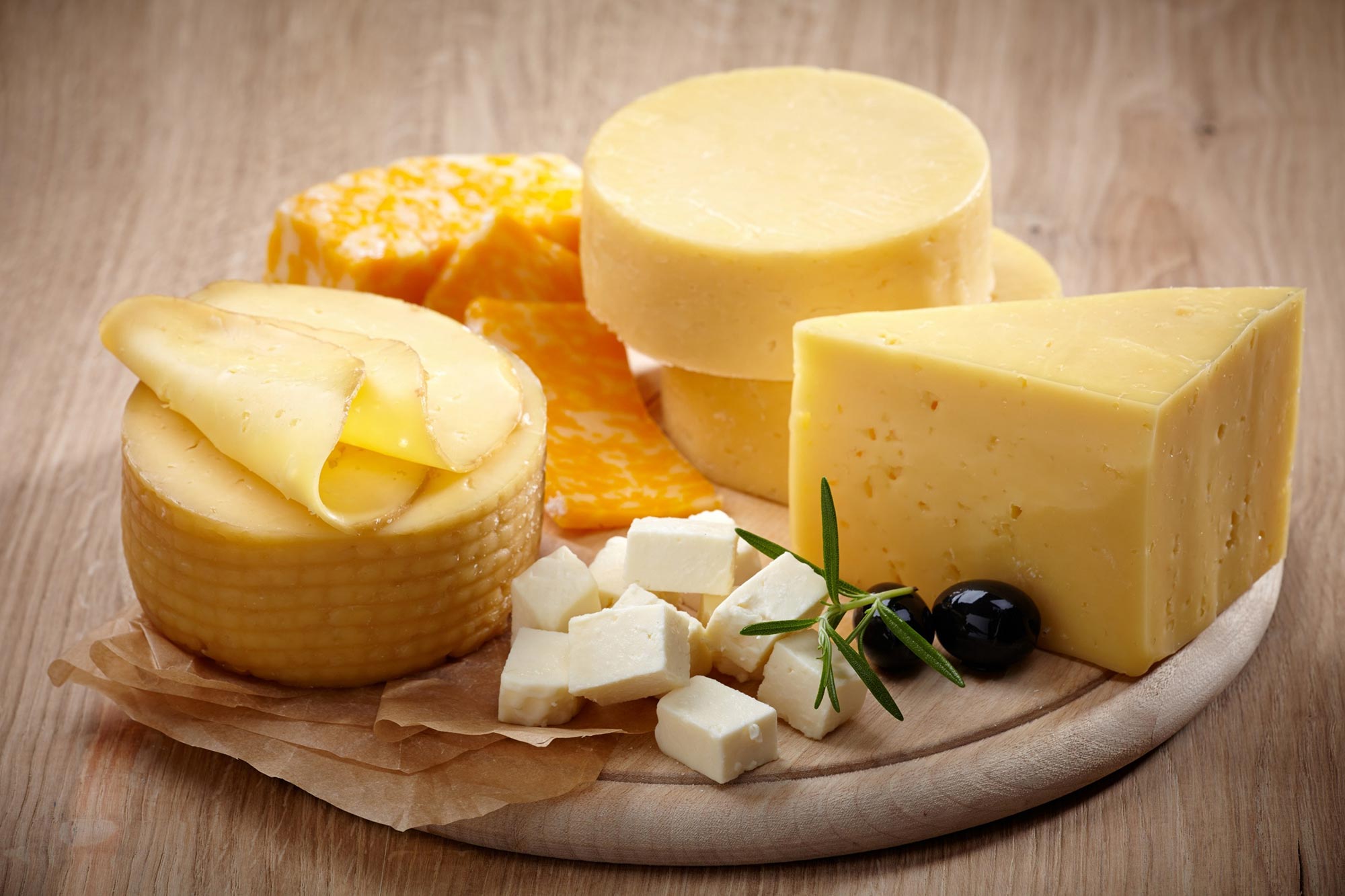
Higher intake of full-fat cheese and cream was linked to lower dementia risk in a large Swedish study, but the evidence points to healthy dietary patterns rather than dairy as a protective factor.
A long-running Swedish study has found that middle-aged and older adults who ate higher amounts of full-fat cheese and cream had a lower risk of developing dementia. While the results may sound encouraging, researchers stress that they should be interpreted with caution.
The study tracked 27,670 people over a 25-year period, during which 3,208 participants were diagnosed with dementia. Among individuals without a known genetic risk for Alzheimer’s disease, consuming more than 50 grams of full-fat cheese each day was associated with a 13%–17% lower risk of Alzheimer’s. This association was not observed in participants who carried genetic risk factors for the disease.
Higher intake of full-fat cream showed a similar pattern. People who consumed more than 20 grams per day had a 16%–24% lower overall risk of dementia. In contrast, the researchers found no meaningful links between dementia risk and consumption of low-fat or high-fat milk, fermented or non-fermented milk, or low-fat cream.
A surprising signal in dairy research
These findings are notable given longstanding public health advice to choose low-fat dairy to reduce cardiovascular risk. This matters because heart disease and dementia share many risk factors, including high blood pressure, diabetes, and obesity.
When evidence from previous studies is combined, analyses suggest that cheese consumption may also be linked to a lower risk of heart disease, and that full-fat dairy does not necessarily increase cardiovascular risk. Several other studies have explored whether similar patterns apply to brain health, but the results are mixed.
Evidence overall suggests that studies conducted in Asian populations are more likely to report benefits of dairy consumption for cognitive health, while many European studies do not. One possible explanation is that average dairy intake tends to be much lower in Asian countries, meaning modest consumption may have different effects than higher intakes.
For example, one Japanese study reported a reduced dementia risk among people who ate cheese, but overall consumption levels were very low and the research was sponsored by a cheese producer. In contrast, another Japanese study funded by government grants found no protective effect of cheese.
Some long-term European studies have also reported benefits. In a Finnish study of 2,497 middle-aged men followed for 22 years, cheese was the only food associated with a lower dementia risk, reduced by 28%.
Diet patterns, not dairy alone
Consumption of milk and processed red meat was linked to poorer performance on cognitive tests, while fish consumption was associated with better outcomes. A large UK study following nearly 250,000 people found that eating fish two to four times a week, fruit daily, and cheese once a week was associated with lower dementia risk.
However, these studies have important limitations. What people eat is usually self-reported, and changes in memory can affect both eating habits and how accurately people remember what they have eaten. To deal with this, the Swedish researchers took two extra steps.
First, they excluded anyone who already had dementia when the study began. Then they repeated the same calculations after removing people who went on to develop dementia within the first ten years of the study. This did not mean starting the study again or recruiting new participants. It simply meant re-checking the results using a smaller group of people who remained dementia-free for longer.
The reason for doing this is that the early stages of dementia can subtly change behavior long before diagnosis. People may eat differently, lose appetite, or struggle to recall their usual diet. By focusing on participants who stayed cognitively healthy for many years, the researchers reduced the chance that these early changes were influencing the results.
Another important question is whether substitution played a role. Some of the apparent benefits may reflect replacing red or processed meat with cheese or cream, rather than an effect of dairy itself. Supporting this idea, the Swedish study found no association between full-fat dairy and dementia risk among participants whose diets remained stable over five years.
Lifestyle context explains much of the effect
Most importantly, foods should not be considered in isolation. Dietary patterns matter more than individual ingredients. Diets such as the Mediterranean diet, which is consistently associated with lower risks of both dementia and heart disease, include cheese alongside vegetables, fish, whole grains, and fruit.
In the Swedish study, people who consumed more full-fat cheese and cream were also more educated, less likely to be overweight, and had lower rates of conditions linked to dementia, including heart disease, stroke, high blood pressure, and diabetes. All of these factors independently reduce dementia risk.
This suggests that higher cheese intake tended to occur within healthier overall lifestyles, rather than alongside excess calorie consumption or poor metabolic health.
Overall, the evidence does not support the idea that full-fat dairy causes dementia, nor that fermented milk products reliably protect against it. Full-fat cheese contains several nutrients relevant to brain health, including fat-soluble vitamins A, D, and K2, as well as vitamin B12, folate, iodine, zinc, and selenium. These nutrients play roles in neurological function and may help support cognitive health.
That said, the data do not justify eating large amounts of cheese or cream as protective foods against dementia or heart disease. The most consistent message remains that balanced diets, moderation, and overall lifestyle matter far more than any single item on the cheese board.
Reference: “High- and Low-Fat Dairy Consumption and Long-Term Risk of DementiaEvidence From a 25-Year Prospective Cohort Study” by Yufeng Du, Yan Borné, Jessica Samuelsson, Isabelle Glans, Xiaobin Hu, Katarina Nägga, Sebastian Palmqvist, Oskar Hansson and Emily Sonestedt, 17 December 2025, Neurology.
DOI: 10.1212/WNL.0000000000214343
Adapted from an article originally published in The Conversation.
Disclosure: Eef Hogervorst has receives funding from grants investigating food and dementia such as Alzheimer’s Research UK, The Newton Trust/British Council and from Merck to investigate the role of omega 3 and folate to prevent dementia. She also acted as advisor on dementia, lifestyle and hormones for UK (NICE) and European (ESHRE) boards and is frequently invited to give public and scientific lectures on these topics
Never miss a breakthrough: Join the SciTechDaily newsletter.
Follow us on Google and Google News.
1 Comment
You still publish utter crap !! Why are you allowed to do this ?? Mindless ,,heartless scum,,and you lot get paid ?? You should be in padded cells ✌️👌