
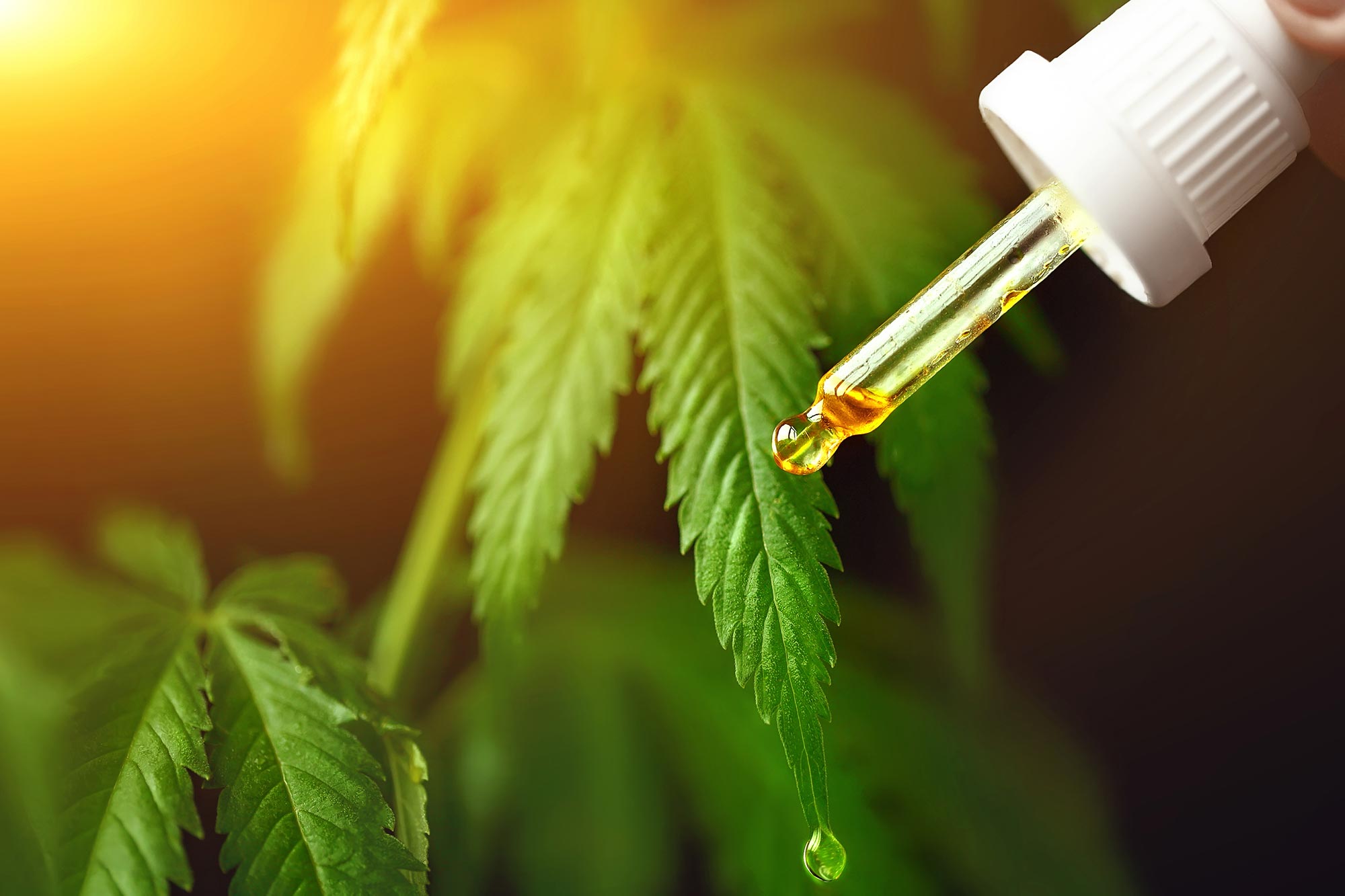
CBD and CBG may help the liver recharge and clean itself—offering a promising new plant-based strategy against fatty liver disease.
Scientists have found that two non-intoxicating compounds from cannabis, CBD and CBG, may help reduce fat buildup in the liver while improving overall metabolic health. The research shows that these compounds support the liver in two key ways. They help create an additional energy reserve inside liver cells and restore the activity of cellular systems that break down and remove harmful waste. Together, these effects point to a promising plant-based strategy for addressing one of the world’s most widespread chronic liver conditions.
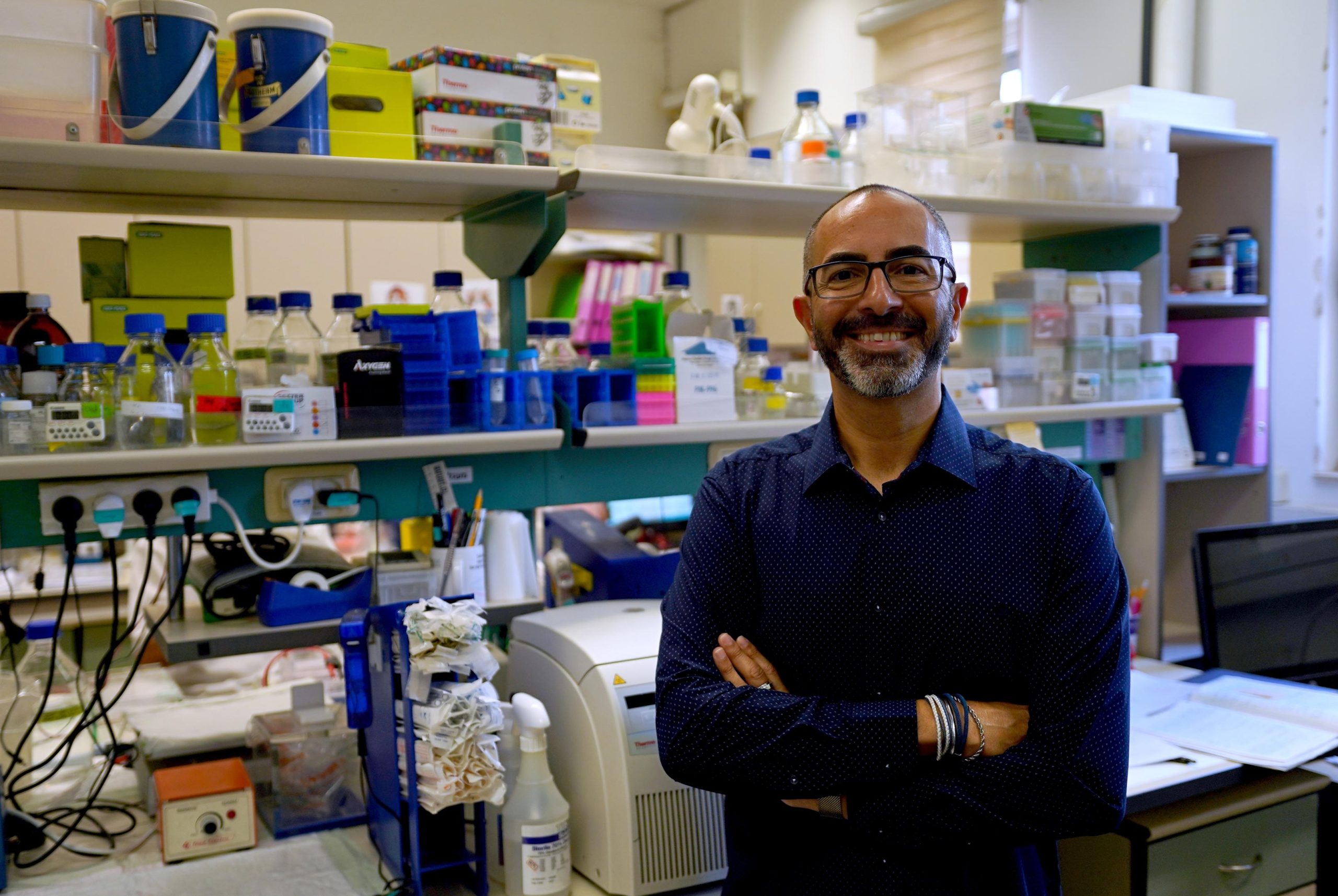
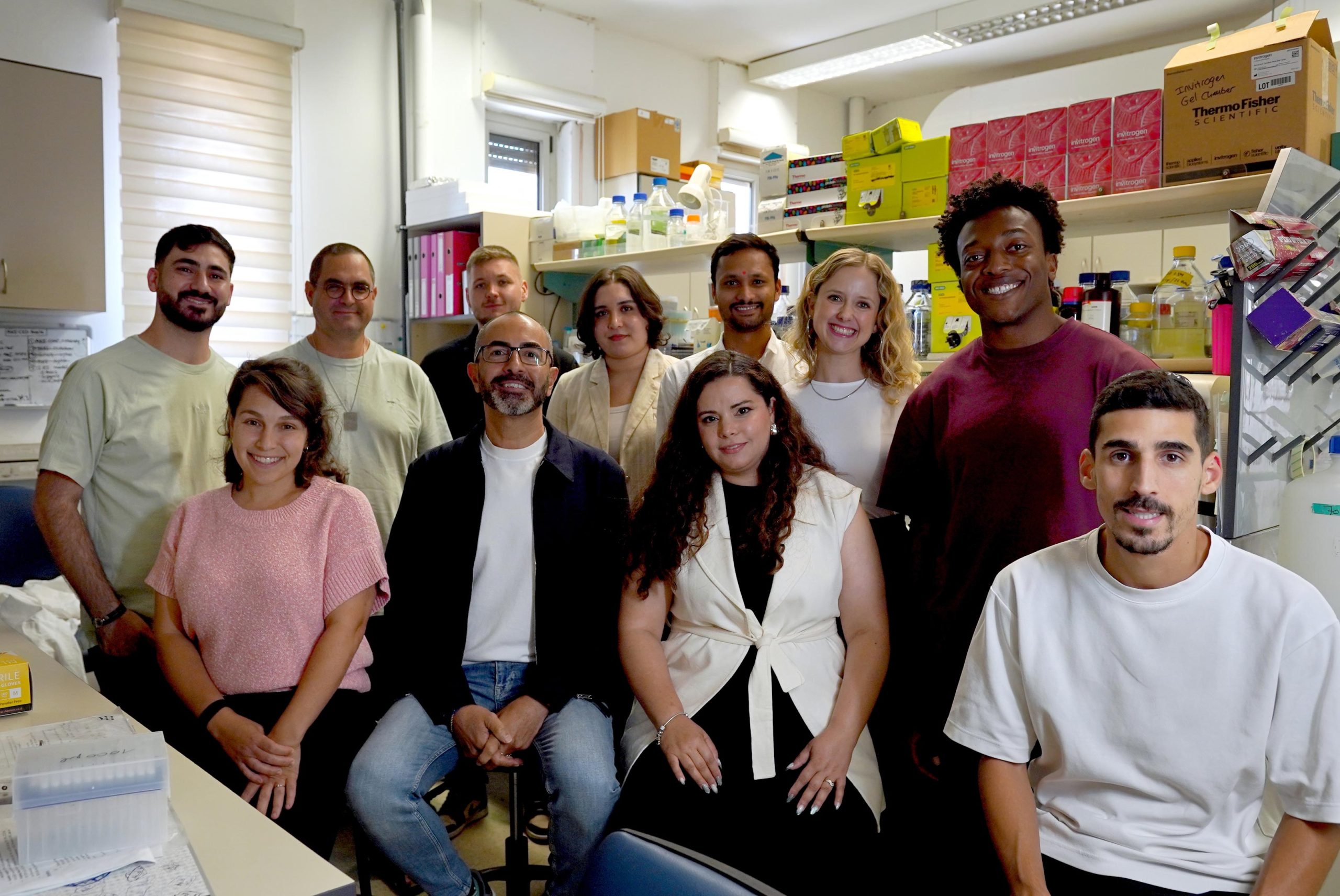
The research was led by Prof. Joseph (Yossi) Tam, Dr. Liad Hinden, the PhD student Radka Kočvarová, and Tam’s team at the School of Pharmacy at the Faculty of Medicine of the Hebrew University of Jerusalem. Their findings suggest that Cannabidiol (CBD) and Cannabigerol (CBG), which do not produce a high, could help treat fatty liver disease by improving how the liver regulates energy and maintains cellular balance.
Fatty Liver Disease Is a Growing Global Health Problem
Metabolically-dysfunction-associated steatotic liver disease (MASLD) is currently the most common chronic liver condition worldwide. About one-third of adults are affected. The disease is strongly associated with obesity, high blood pressure, and insulin resistance.
Lifestyle changes such as improved diet and regular exercise are often recommended to manage MASLD. However, maintaining these changes over time can be difficult. At the same time, only a limited number of medications are available to treat the condition. As a result, researchers are actively searching for new therapeutic approaches.
How CBD and CBG Help the Liver Manage Energy
Using advanced analytical tools, the researchers discovered that CBD and CBG do more than simply lower fat levels in the liver. The compounds trigger internal changes that help the liver operate more efficiently through a process known as “metabolic remodeling.”
One of the most notable findings involved the liver’s energy system. The study showed that these cannabis compounds raise levels of phosphocreatine, a molecule that functions like a reserve energy source. This backup supply helps liver cells maintain healthy function when the body is under metabolic stress, such as during a high-fat diet. Scientists note that the liver normally does not rely heavily on this type of energy buffering, making this finding particularly significant.

Restoring the Liver’s Cellular Cleanup Systems
The study also revealed that CBD and CBG reactivate cathepsins. These enzymes operate within lysosomes, which serve as the cell’s recycling centers. Cathepsins help break down unwanted materials so the cell can dispose of them properly.
When the activity of these enzymes is restored, liver cells are better able to clear harmful fats and other metabolic waste. The researchers observed substantial reductions in damaging lipid molecules, including triglycerides and ceramides. Ceramides are especially concerning because they are closely linked to insulin resistance and inflammation in the liver.
Differences Between CBD and CBG
Although both compounds showed beneficial effects, the study found that each one influenced metabolic health slightly differently. Both CBD and CBG helped stabilize blood sugar levels and improved the body’s ability to manage glucose.
However, CBG produced stronger improvements in several metabolic markers. It significantly reduced body fat mass and enhanced insulin sensitivity more effectively than CBD. The compound also showed a greater ability to lower total cholesterol and levels of “bad” LDL cholesterol.
“Our findings identify a new mechanism by which CBD and CBG enhance hepatic energy and lysosomal function,” says Prof. Joseph Tam. “This dual metabolic remodeling contributes to improved liver lipid handling and highlights these compounds as promising therapeutic agents for MASLD.”
A Promising Plant-Based Direction for Metabolic Disease Research
Although the findings are encouraging, the researchers emphasize that additional studies are needed before these results can be applied directly to human patients. More work will help clarify how these compounds might be used safely and effectively in medical treatments.
Even so, the research highlights a new direction in the search for therapies for metabolic diseases. By targeting the ways cells manage energy and eliminate waste, plant-derived compounds such as CBD and CBG could offer new possibilities for treating fatty liver disease and related conditions.
Reference: “Cannabidiol and cannabigerol ameliorate steatotic liver disease via phosphocreatine buffering and lysosomal restoration” by Radka Kočvarová, Shahar Azar, Bella Agranovich, Ifat Abramovich, Saveliy Kirillov, Alina Nemirovski, Saja Baraghithy, Inbar Plaschkes, Emmanuelle Merquiol, Alexander Rouvinski, Galia Blum, Liad Hinden and Joseph Tam, 5 March 2026, British Journal of Pharmacology.
DOI: 10.1111/bph.70387
Never miss a breakthrough: Join the SciTechDaily newsletter.
Follow us on Google and Google News.
4 Comments
Does anyone know how much we need for for it to work properly
Thanks for the reach
No. This is only a single study that does NOT prove anything and is not even recommending its use. That’s not to say it isn’t true or that it is this sort of research is done to provide evidence that more research is seriously needed. We’re on our own to determine those details and until nore research is finally available any risk or benefit is ours to find.
Reference: “Cannabidiol and Cannabigerol Ameliorate Steatotic Liver Disease via Phosphocreatine Buffering and Lysosomal Restoration” 5 March 2026, British Journal of Pharmacology.
DOI: 10.1111/bph.70387
Look up the reference and it should have the report on how much was used and the test results