
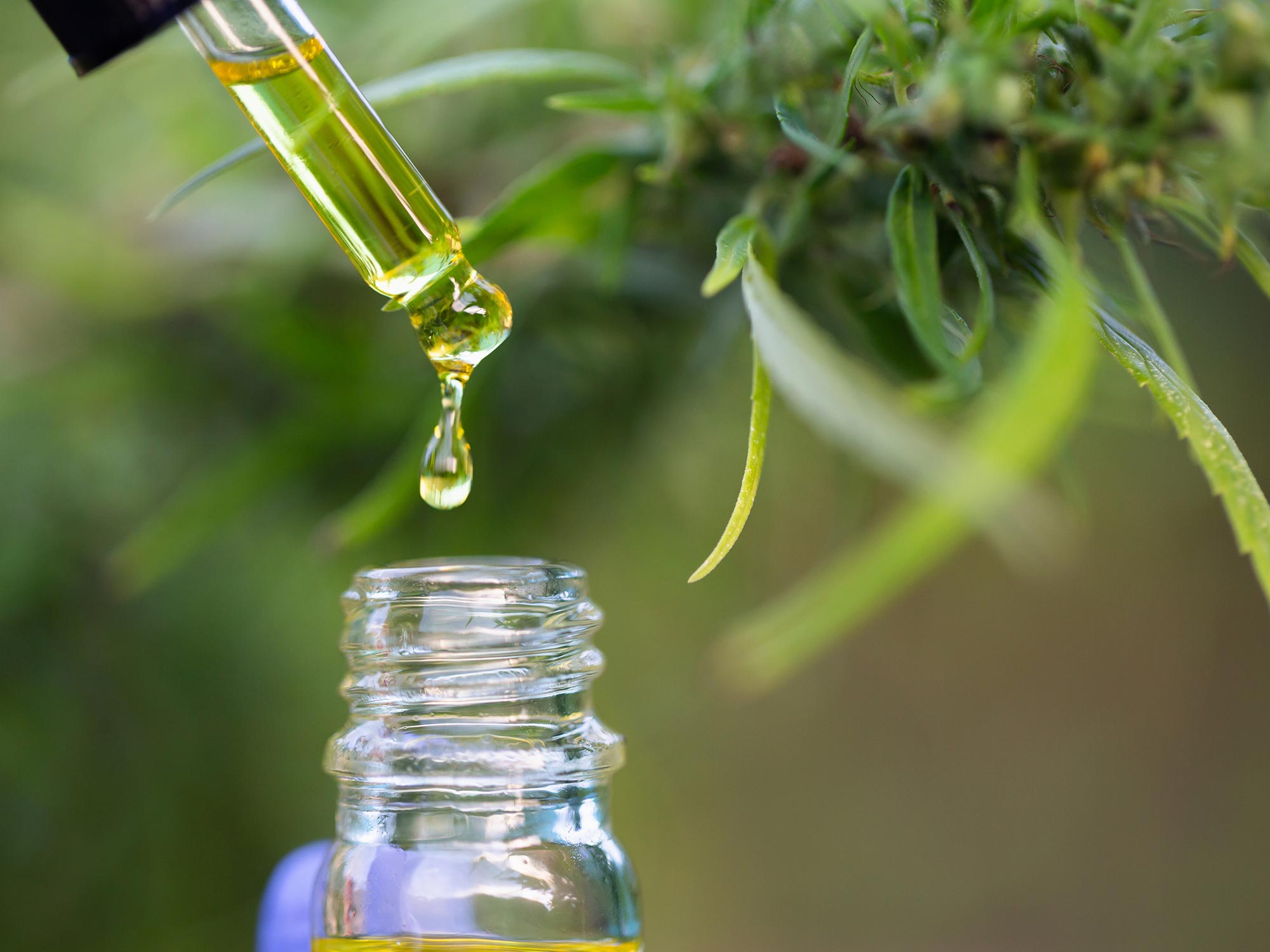
Australian researchers have developed a clever way to supercharge the effects of cannabidiol (CBD), a compound used to treat neurological conditions like epilepsy and multiple sclerosis.
By creating a phospholipid complex that boosts CBD’s water solubility and absorption, they’ve made it possible for patients to get more consistent benefits from smaller doses. This new formulation not only dissolves better and absorbs faster but also stays stable under various conditions, making it a game-changer for the future of CBD-based treatments and beyond.
Boosting CBD’s Potential
Researchers at the University of South Australia have developed a new way to make cannabidiol (CBD) more effective for treating epilepsy, multiple sclerosis, and other neurodegenerative disorders.
CBD is a non-psychoactive compound derived from the cannabis plant. It’s commonly prescribed for its pain-relieving, anti-inflammatory, and neuroprotective properties. However, its medical use has been limited because CBD does not dissolve well in water and is poorly absorbed by the body when taken orally.
To overcome this, the UniSA team created a phospholipid complex, a type of fat molecule that contains phosphorus. This innovation improved CBD’s water solubility by up to six times and significantly enhanced its absorption in the digestive tract.
Stronger, More Consistent Effects
According to lead researcher Professor Sanjay Garg, the advance could allow patients to achieve better results with lower doses of CBD. The findings were published in the International Journal of Molecular Sciences.
Currently, only a small fraction of orally ingested CBD reaches the bloodstream, limiting its therapeutic effects.
“For this reason, a number of different formulations have been explored, including the production of synthetic CBD, self-emulsifying delivery systems, and encapsulating CBD in gelatine matrix pellets, but all of them have only resulted in minor improvements in bioavailability,” Prof Garg says.
Dramatic Uptake Improvements
His research team identified the optimal phospholipid composition to form nanosized CBD-PLC particles. Compared to pure CBD, the phospholipid complex improved dissolution rates from 0% to 67.1% within three hours, demonstrating a significant enhancement in drug release.
In cellular uptake studies, CBD-PLC exhibited 32.7% higher permeability than unmodified CBD, ensuring greater absorption through the intestinal wall.
Another critical advantage of this new delivery system is its stability. Traditional CBD formulations degrade over time when exposed to heat, light, or oxygen, reducing potency and shelf life.
Reliable Over Time
However, testing over 12 months showed that CBD-PLC retained its performance under varied storage conditions, making it a more reliable option for pharmaceutical applications.
The study’s first author, UniSA PhD candidate Thabata Muta, says the discovery has significant implications for the future of CBD-based therapeutics.
“Improved bioavailability means that lower doses can achieve the same therapeutic effect, potentially reducing side effects and making treatment more cost-effective,” Thabata says.
A Broader Breakthrough
The research team believes that this innovation could be applied beyond CBD, providing a blueprint for enhancing the absorption of other poorly water-soluble drugs.
With the global CBD market projected to grow from USD 7.59 billion in 2023 to USD 202.45 billion by 2032, the findings of this study come at a crucial time, according to the study authors.
Next Step: Real-World Testing
The team is now exploring opportunities for commercialization and clinical trials to validate their new formulation.
Reference: “Optimising Cannabidiol Delivery: Improving Water Solubility and Permeability Through Phospholipid Complexation” by Thabata Muta, Riya Khetan, Yunmei Song and Sanjay Garg, 13 March 2025, International Journal of Molecular Sciences.
DOI: 10.3390/ijms26062647
The study was supported by a PhD scholarship jointly funded by the University of South Australia, MedTEC Pharma, and the SA Government’s Industry Doctoral Training Centre program.
Never miss a breakthrough: Join the SciTechDaily newsletter.
Follow us on Google and Google News.