
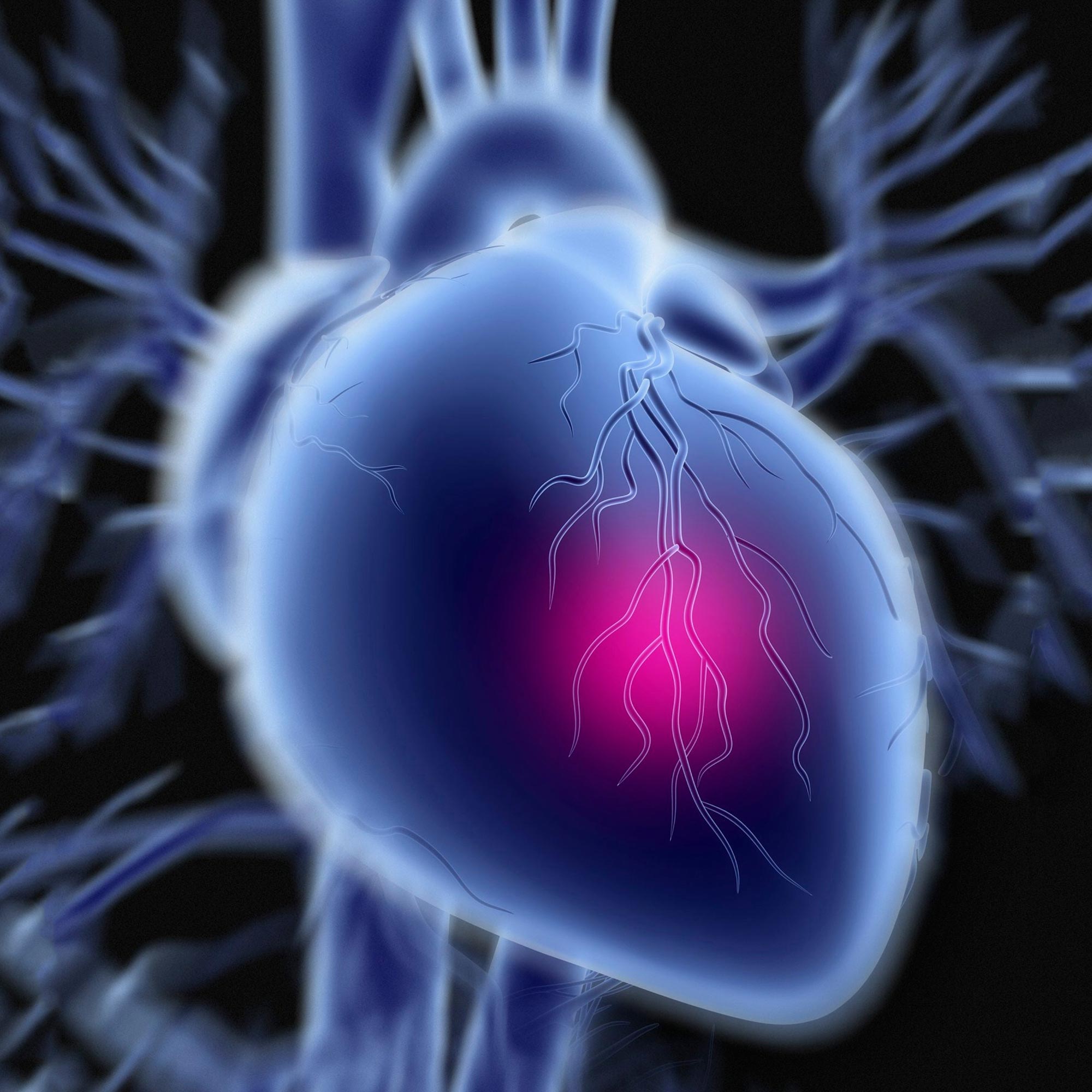
A Japanese research team found that the oxidized form of glutathione (GSSG) may protect heart tissue by modifying a key protein, potentially offering a novel therapeutic approach for ischemic heart failure.
A new study by researchers in Japan suggests that the mitochondria, often called the powerhouse of the cell, could be a key target for therapies aimed at mitigating or reversing heart failure.
In experiments using mice and human heart cell lines, the researchers discovered that a molecular marker typically associated with cellular damage may actually have a protective role in the heart, particularly during heart failure. Their findings, published in Nature Communications, identify a specific protein modification that helps safeguard heart tissue in low-oxygen conditions, such as those following a heart attack.
“The primary role of myocardial mitochondria is to sustain high energy production while maintaining intracellular redox balance,” said first author Akiyuki Nishimura, project associate professor in the Division of Cardiocirculatory Signaling at the National Institute for Physiological Sciences (NIPS), one of the National Institutes of Natural Sciences (NINS), in Japan. “Oxidative stress due to the accumulation of reactive oxygen species (ROS) and ROS-derived electrophiles is believed to exacerbate the prognosis of ischemic, or low-oxygen, heart diseases.

Mitochondria typically power the cell and help maintain homeostasis by balancing life-sustaining — and potentially ending — oxidation-reduction (redox) reactions. These involve transferring electrons, with the oxidized molecule losing electrons and the reduced one gaining electrons. An imbalance in this exchange can increase oxidative stress, which can lead to cellular damage.
Investigating the Role of GSSG in Heart Protection
“Oxidative stress caused by increased reactive oxygen species production is a key feature of ischemic heart disease and is believed to be involved in the development and progression of heart failure,” Nishimura said. “Therefore, several clinical studies targeting oxidative stress have been performed to improve the outcome of heart failure patients but most of them have failed.”
Rates of oxidative stress are indicated by levels of GSSG, the oxidized form of glutathione (GSH), an antioxidant that helps the body repair damage. In health, there should be much more GSH than GSSG. The lower the ratio between the two molecules, the more GSSG, the more likely there is lasting oxidative damage in the body.
However, Nishimura said, specific studies to investigate if the obvious answer of increasing GSH would improve outcomes have failed.
In this study, the researchers analyzed whether GSSG might be the solution. They found that after heart damage caused by low-oxygen, GSSG modified a sulfur-containing amino acid on a protein called Drp1, protecting mitochondrial function. This protects the heart, the researchers said, because mitochondria can become dysregulated and cause further damage, including heart failure, without enough oxygen.
“These findings prove the breakthrough therapeutic potential of GSSG for ischemic chronic heart failure,” Nishimura said, noting that the team next plans to investigate whether sulfur-based redox reactions have principal roles in disease progression in other organ systems beyond the cardiovascular system.
Reference: “Polysulfur-based bulking of dynamin-related protein 1 prevents ischemic sulfide catabolism and heart failure in mice” by Akiyuki Nishimura, Seiryo Ogata, Xiaokang Tang, Kowit Hengphasatporn, Keitaro Umezawa, Makoto Sanbo, Masumi Hirabayashi, Yuri Kato, Yuko Ibuki, Yoshito Kumagai, Kenta Kobayashi, Yasunari Kanda, Yasuteru Urano, Yasuteru Shigeta, Takaaki Akaike and Motohiro Nishida, 2 January 2025, Nature Communications.
DOI: 10.1038/s41467-024-55661-5
Funding: Japan Science and Technology Agency, the Japan Society for the Promotion of Science; the Ministry of Education, Culture, Sports, Science and Technology of Japan, the Joint Research of the Exploratory Research Center on Life and Living Systems, Japan Agency for Medical Research and Development, Sumitomo Foundation, Naito Foundation, Smoking Research Foundation
Never miss a breakthrough: Join the SciTechDaily newsletter.
Follow us on Google and Google News.