

Metformin, a long-standing treatment for type 2 diabetes, may work in an unexpected way.
Metformin has been a cornerstone treatment for type 2 diabetes for more than six decades. It is inexpensive, widely prescribed, and generally effective. Yet for all its use, scientists have never fully agreed on how it actually works inside the body. New research now points to an unexpected answer: part of its power may come from the brain.
A study led by researchers at Baylor College of Medicine, published in Science Advances, shows that metformin does more than act on the liver and gut. It also appears to directly influence brain circuits that control blood sugar, opening the door to a new way of thinking about diabetes treatment.
“It’s been widely accepted that metformin lowers blood glucose primarily by reducing glucose output in the liver. Other studies have found that it acts through the gut,” said Dr. Makoto Fukuda, a pathophysiologist at Baylor. “We looked into the brain as it is widely recognized as a key regulator of whole-body glucose metabolism. We investigated whether and how the brain contributes to the anti-diabetic effects of metformin.”
A Hidden Switch in the Brain
The team focused on a protein called Rap1, located in a small but critical brain region known as the ventromedial hypothalamus (VMH). This area helps coordinate how the body balances energy and blood sugar.
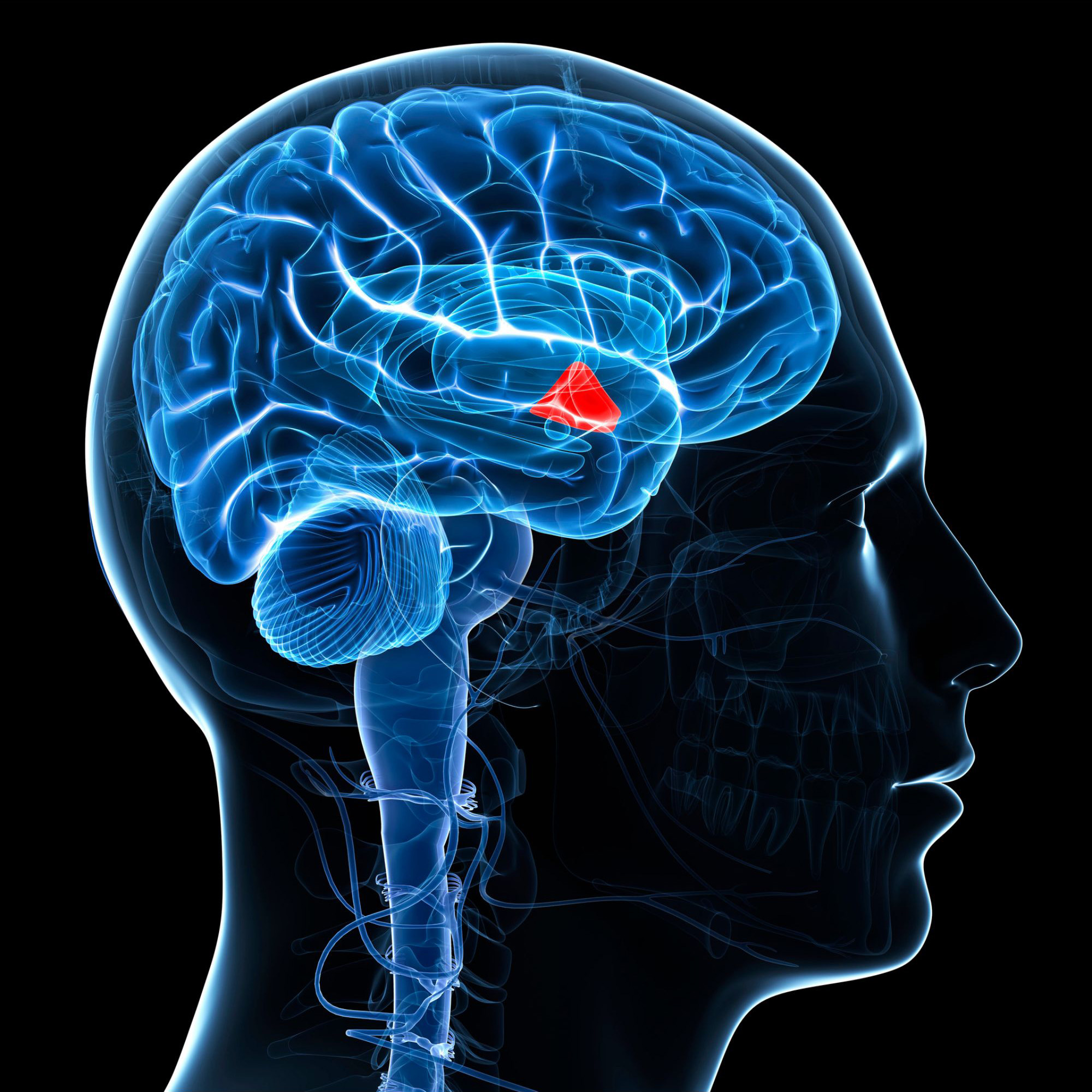
Their experiments suggest that metformin lowers blood sugar by effectively switching off Rap1 in this region.
When researchers engineered mice that lacked Rap1 in the VMH, metformin stopped working. Even when the animals were fed a high-fat diet designed to mimic type 2 diabetes, the drug no longer reduced blood sugar. Other treatments, such as insulin and GLP-1 agonists, still worked, highlighting that metformin relies on a distinct mechanism.
The researchers also tracked where the drug traveled in the body and found evidence that it reaches the VMH.
Tiny Doses, Big Effects
To test just how important the brain pathway is, scientists delivered extremely small amounts of metformin straight into the brains of diabetic mice. The doses were thousands of times lower than what is typically taken by mouth, yet they still produced a significant drop in blood sugar.
That finding suggests the brain is highly sensitive to the drug, far more than organs like the liver, which require higher concentrations to respond.
“We found that while the liver and intestines need high concentrations of the drug to respond, the brain reacts to much lower levels,” Fukuda said.
The Neurons Behind the Effect
The study also identified the specific brain cells involved. A group of neurons known as SF1 neurons became more active when metformin was present.

When scientists recorded electrical signals from these cells, they saw that metformin boosted their activity, but only when Rap1 was intact. Without Rap1, the neurons did not respond, and blood sugar levels remained unchanged. This confirms that Rap1 acts as a key control point that allows metformin to activate these brain cells and influence glucose levels.
Why This Matters
The discovery could transform how doctors and researchers think about diabetes. Most current treatments focus on organs like the pancreas, liver, or gut. Very few target the brain directly.
“This discovery changes how we think about metformin,” Fukuda said. “It’s not just working in the liver or the gut, it’s also acting in the brain.”
If future studies confirm these findings in humans, scientists may be able to design therapies that specifically target this brain pathway. That could lead to treatments that are more precise, require lower doses, and potentially cause fewer side effects.
“These findings open the door to developing new diabetes treatments that directly target this pathway in the brain,” Fukuda said. “In addition, metformin is known for other health benefits, such as slowing brain aging. We plan to investigate whether this same brain Rap1 signaling is responsible for other well-documented effects of the drug on the brain.”
Reference: “Low-dose metformin requires brain Rap1 for its antidiabetic action” by Hsiao-Yun Lin, Weisheng Lu, Yanlin He, Yukiko Fu, Kentaro Kaneko, Peimeng Huang, Ana B. De la Puente-Gomez, Chunmei Wang, Yongjie Yang, Feng Li, Yong Xu and Makoto Fukuda, 30 July 2025, Science Advances.
This work was supported by grants from: National Institutes of Health (R01DK136627, R01DK121970, R01DK093587, R01DK101379, P30-DK079638, R01DK104901, R01DK126655), USDA/ARS (6250-51000-055), American Heart Association (14BGIA20460080, 15POST22500012) and American Diabetes Association (1-17-PDF-138). Further support was provided by the Uehara Memorial Foundation, Takeda Science Foundation, Japan Foundation for Applied Enzymology and the NMR and Drug Metabolism Core at Baylor College of Medicine.
Never miss a breakthrough: Join the SciTechDaily newsletter.
Follow us on Google and Google News.
2 Comments
I wonder if it could potentially help with the treatment of Alzheimer’s
Low doses of oratate lithium is good for the brain.