
Close Menu
    Facebook X (Twitter) Instagram
    SciTechDaily
    • Biology
    • Chemistry
    • Earth
    • Health
    • Physics
    • Science
    • Space
    • Technology
    Facebook X (Twitter) Pinterest YouTube RSS
    SciTechDaily
    Home»Space»Cosmic Tidal Wave: Star Creation in the Tendrils of the Jellyfish Galaxy JW39
    Space

    Cosmic Tidal Wave: Star Creation in the Tendrils of the Jellyfish Galaxy JW39

    By ESA/HubbleMay 21, 2023No Comments3 Mins Read
    Facebook Twitter Pinterest Telegram LinkedIn WhatsApp Email Reddit
    Share
    Facebook Twitter LinkedIn Pinterest Telegram Email Reddit
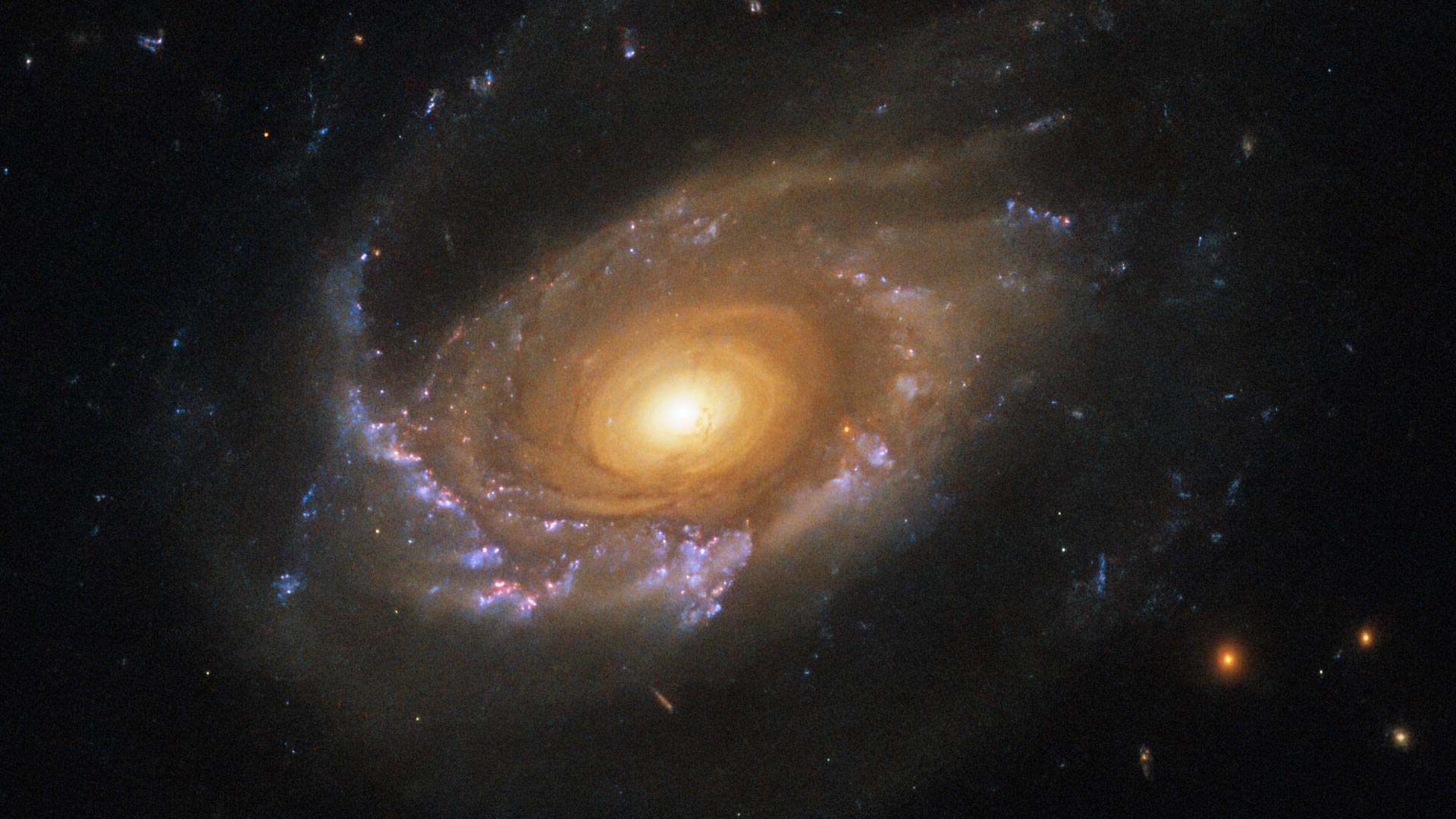
    Jellyfish Galaxy JW39 Crop
    Hubble Space Telescope of the jellyfish galaxy JW39, located more than 900 million light-years away in the constellation Coma Berenices. Despite its serene exterior, JW39 is located within a turbulent galaxy cluster, wherein galaxies are often distorted due to gravitational pulls from larger neighboring galaxies. (Cropped image to show detail.) Credit: ESA/Hubble & NASA, M. Gullieuszik and the GASP team

    The Jellyfish galaxy JW39, located in a hostile galaxy cluster, is exposed to intense gravitational forces and a hot plasma known as the intracluster medium. These conditions strip JW39 of its star-forming gas, creating trailing ribbons of star formation. However, research indicates that star formation in these ‘tentacles’ mirrors that in the main galaxy disc.

    The jellyfish galaxy JW39 hangs serenely in this image from the NASA/ESA Hubble Space Telescope. This galaxy lies over 900 million light-years away in the constellation Coma Berenices, and is one of several jellyfish galaxies that Hubble has been studying over the past two years.

    Despite this jellyfish galaxy’s serene appearance, it is adrift in a ferociously hostile environment; a galaxy cluster. Compared to their more isolated counterparts, the galaxies in galaxy clusters are often distorted by the gravitational pull of larger neighbors, which can twist galaxies into a variety of weird and wonderful shapes. If that was not enough, the space between galaxies in a cluster is also pervaded with a searingly hot plasma known as the intracluster medium. While this plasma is extremely tenuous, galaxies moving through it experience it almost like swimmers fighting against a current, and this interaction can strip galaxies of their star-forming gas.
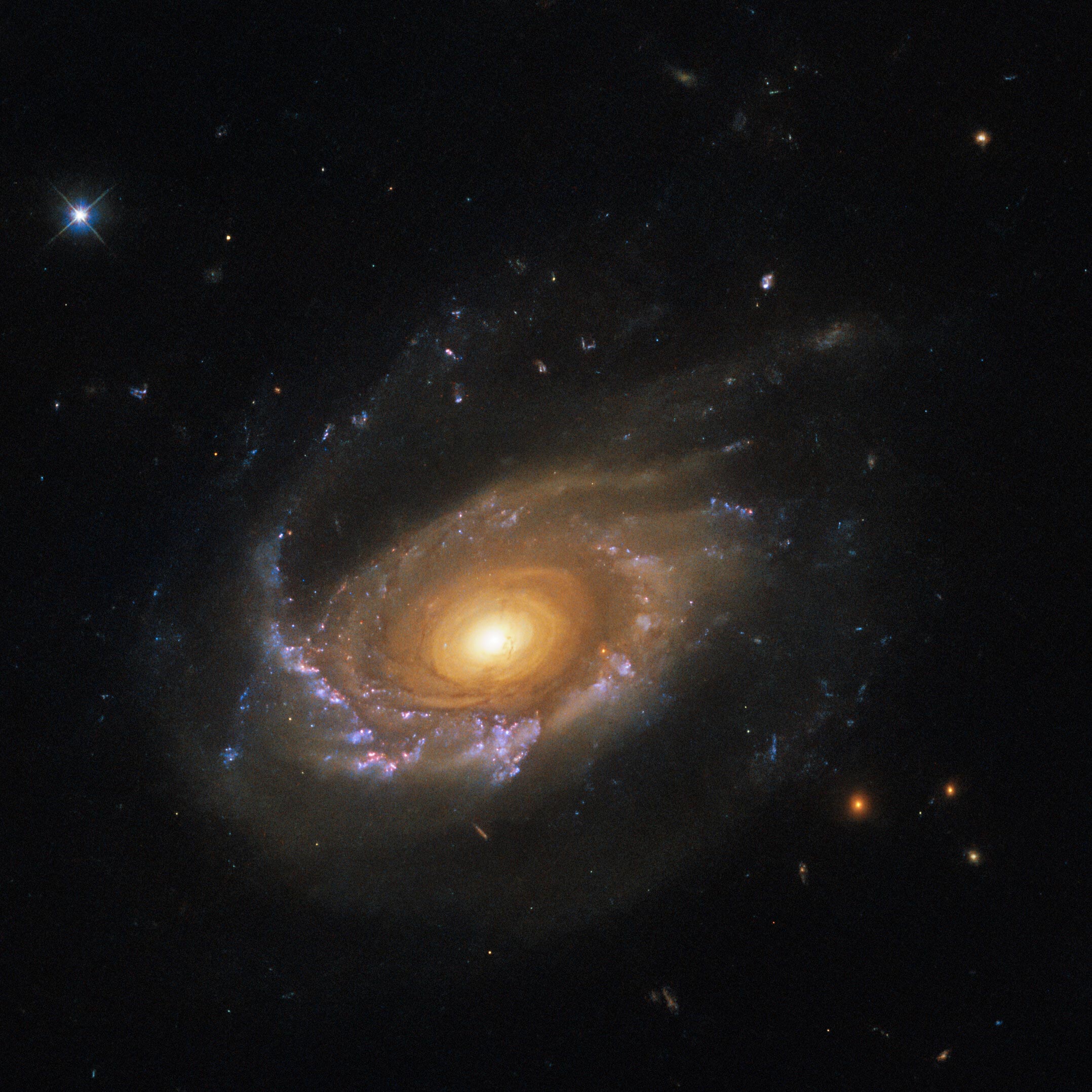
    Jellyfish Galaxy JW39
    Hubble Space Telescope of the jellyfish galaxy JW39. (Full image to show context.) Credit: ESA/Hubble & NASA, M. Gullieuszik and the GASP team

    This interaction between the intracluster medium and the galaxies is called ram-pressure stripping, and is the process responsible for the trailing tendrils of this jellyfish galaxy. As JW39 has moved through the cluster the pressure of the intracluster medium has stripped away gas and dust into long trailing ribbons of star formation that now stretch away from the disc of the galaxy.

    Astronomers using Hubble’s Wide Field Camera 3 studied these trailing tendrils in detail, as they are a particularly extreme environment for star formation. Surprisingly, they found that star formation in the ‘tentacles’ of jellyfish galaxies was not noticeably different from star formation in the galaxy disc.

    Never miss a breakthrough: Join the SciTechDaily newsletter.
    Follow us on Google and Google News.

    Astronomy European Space Agency Hubble Space Telescope Popular
    Share. Facebook Twitter Pinterest LinkedIn Email Reddit

    Related Articles

    Hubble’s Newest Discovery Isn’t a Star, It’s a Window Into the Dark Universe

    Hubble Views Spiral Galaxy NGC 5793

    Hubble Captures the Best Ever Image of the Antennae Galaxies

    Hubble Captures Face-On Image of Messier 61

    Hubble Views an Ongoing Cosmic Collision

    Hubble Views Newborn Stars in Galaxy IC 5052

    New XDF Image, The Deepest-Ever View of the Universe

    Hubble Zooms in on the Center of M4

    Hubble Image of Peculiar Galaxy Pair Arp 116

    Leave A Reply Cancel Reply

    • Facebook
    • Twitter
    • Pinterest
    • YouTube

    Don't Miss a Discovery

    Subscribe for the Latest in Science & Tech!

    Trending News

    Scientists Discover 132-Million-Year-Old Dinosaur Tracks on South Africa’s Coast

    Scientists Uncover the Secret Ingredient Behind the Spark That May Have Started Life on Earth

    Physicists Observe Matter in Two Places at Once in Mind-Bending Quantum Experiment

    Stanford Scientists Discover Hidden Brain Circuit That Fuels Chronic Pain

    New Study Reveals Why Ozempic Works Better for Some People Than Others

    Climate Change Is Altering a Key Greenhouse Gas in a Way Scientists Didn’t Expect

    New Study Suggests Gravitational Waves May Have Created Dark Matter

    Scientists Discover Why the Brain Gets Stuck in Schizophrenia

    Follow SciTechDaily
    • Facebook
    • Twitter
    • YouTube
    • Pinterest
    • Newsletter
    • RSS
    SciTech News
    • Biology News
    • Chemistry News
    • Earth News
    • Health News
    • Physics News
    • Science News
    • Space News
    • Technology News
    Recent Posts
    • 320 Light-Years Away, a Planet Confirms a Fundamental Cosmic Assumption
    • Astronomers Solve Decades-Long Mystery About Saturn’s Spin – “Something Strange Was Happening”
    • Scientists Uncover Strange New State of Matter Inside Uranus and Neptune
    • The Crown Jewel of Dentistry? Breakthrough Tech Could Transform Tooth Repair
    • The Surprising Non-Medical Factor That Determines Cancer Survival
    Copyright © 1998 - 2026 SciTechDaily. All Rights Reserved.
    • Science News
    • About
    • Contact
    • Editorial Board
    • Privacy Policy
    • Terms of Use

    Type above and press Enter to search. Press Esc to cancel.