
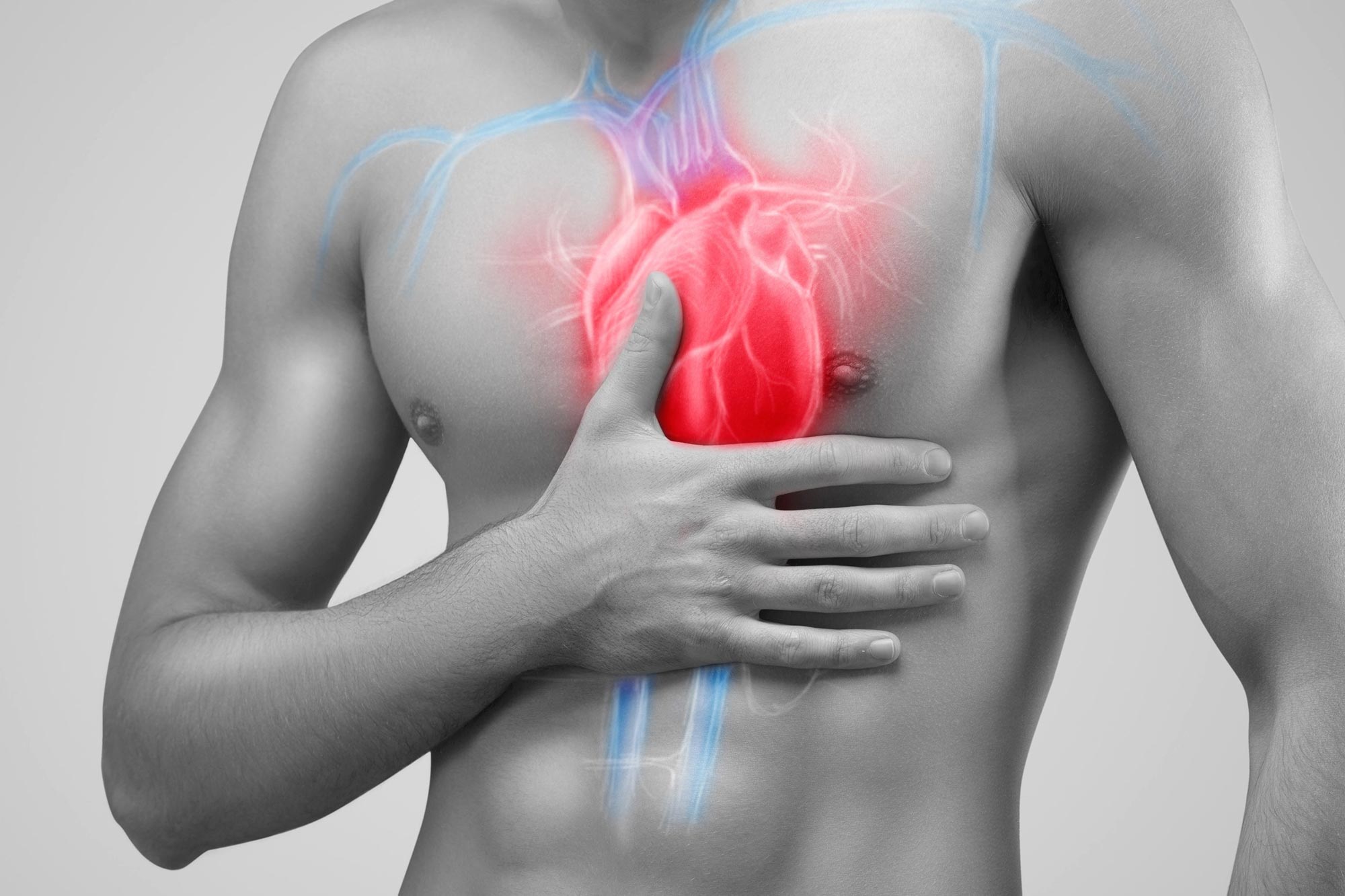
Scientists explored the differences in heart inflammation caused by COVID-19, anti-COVID-19 vaccines, and other viral infections.
Their findings reveal that immune responses vary significantly, with post-COVID-19 myocarditis showing a stronger, more aggressive immune reaction than other types. These insights could lead to more personalized treatments, improving care for patients affected by different forms of heart inflammation.
Heart Inflammation: A Deeper Look at Myocarditis
Heart inflammation, known as myocarditis, can vary depending on its cause. A research team led by Dr. Henrike Maatz at the Max Delbrück Center in Berlin examined the immune response in different types of myocarditis. Their study, published today (February 24) in Nature Cardiovascular Research, compared myocarditis caused by SARS-CoV-2 infection, mRNA vaccines, and non-COVID-19 viral infections. The findings revealed distinct immune signatures for each type.
“We found clear differences in immune activation,” says Maatz, co-lead author. “This knowledge might help to develop new and more personalized therapies that are tailored to specific types of inflammation.”
A Unique Opportunity During the Pandemic
Myocarditis can result from infections, autoimmune disorders, genetic factors, and, in rare cases, vaccination. While COVID-19 primarily affects the respiratory system, it is also known to cause heart damage. In some children and young adults, SARS-CoV-2 infection can trigger multisystem inflammatory syndrome, with myocarditis being a key complication, though this remains uncommon.
The COVID-19 pandemic provided researchers at the Max Delbrück Center, the Berlin Institute of Health at Charité (BIH), and Charité – Universitätsmedizin Berlin with a rare opportunity to study how myocarditis differs at the cellular and molecular levels based on its cause.

Specialized Myocarditis Investigations
The Hübner lab has long had an interest in studying cardiac disease at the single-cell level. They teamed up with Professor Carsten Tschöpe, a cardiologist at the Deutsches Herzzentrum der Charité (DHZC), head of the BIH research group for Immunocardiology and principal investigator at Deutsches Zentrum für Herz-Kreislauf-Forschung(DZHK). His team had been collecting biopsy samples from patients presenting with suspected myocarditis. “At the DHZC, we have a widely recognized Myocarditis Unit, specializing in performing endomyocardial biopsies in selected cases,” says Tschöpe.
“The study program, which was initiated by Charité during the COVID-19 crisis, was integrated into the curriculum and forms part of the PERSONIFY- Program supported by the DZHK. Within this framework, patients with myocarditis undergo highly specific and targeted investigations, ensuring a comprehensive and advanced approach to their clinical and scientific evaluation.”
“We are deeply grateful to the patients for their trust and invaluable contributions and to our specialist heart failure nurses for their essential role in identifying patients, ensuring meticulous data management, careful tissue and blood handling, and overall patient care,” Tschöpe adds.
Distinct Immune Activation and Cell Behavior
Researchers at the Max Delbrück Center performed single-nucleus RNA sequencing (snRNA-seq) on biopsied heart tissue to study gene expression and to create transcriptional profiles of each cell. These profiles served to identify the different cell types of the heart. They examined the molecular changes in each cell, and the abundance of the different cell types in three different sets of myocarditis tissue: COVID-19 positive samples, cases caused by mRNA vaccines, and non-COVID-19 heart inflammation caused by viral infections before the pandemic.
Unexpected Differences in Immune Response
They found that while some gene expression changes were similar across the three groups, there were significant differences in levels of immune cell gene expression. What’s more, transcriptional profiles also showed that immune cells differed in abundance, depending on the cause of the myocarditis.
“Such differences were unexpected,” says Dr. Eric Lindberg, co-lead author of the paper, former postdoc in the Hübner lab, who now heads a research group at the LMU hospital in Munich. The researchers for example found that post-vaccination, CD4 T-cells were more abundant whereas post SARS-CoV-2 infection, CD8 T cells tended to be more dominant. In the non-COVID-19 myocarditis samples, the CD4 to CD8 cell ratio was about 50/50, he adds. Gene expression data suggested that the CD8 T cells in the post-COVID-19 group also appeared to be more aggressive than in non-COVID myocarditis. The researchers also found a small population of T cells present in post-COVID-19 myocarditis that have previously only been observed in the blood of severely sick COVID-19 patients.
“Together, these findings suggest a stronger immune response in post-COVID-19 myocarditis compared to pre-pandemic forms of myocarditis, while the myocardial inflammation appeared to be milder in post-vaccination,” says Professor Norbert Hübner of the Max Delbrück Center and Charite – Universitätsmedizin Berlin, corresponding author on the paper and a principal investigator at the DZHK. Although the sample size from patients with post-vaccination myocarditis was small, the results are in line with other studies of post-vaccination myocarditis, Hübner adds.
Implications for Treatment and Future Therapies
Being able to differentiate between inflammation caused by different kinds of infections and vaccination paves the way to improve treatment tailored to specific types of inflammation, says Maatz. Based on the research, one could develop new therapies to control the side effects of vaccines, for example, she adds.
Also, biopsy samples of the heart are generally tiny – they are no larger than a pinhead. It was a challenge to get the snRNA-seq technique to work using such minute amounts of tissue, Maatz says. “But I think the resolution and depth of insight we were able to generate really shows the power of this method – perhaps in the future also in a diagnostic setting.”
Reference: “The cellular and molecular cardiac tissue responses in human inflammatory cardiomyopathies after SARS-CoV-2 infection and COVID-19 vaccination” by Henrike Maatz, Eric L. Lindberg, Eleonora Adami, Natalia López-Anguita, Alvaro Perdomo-Sabogal, Lucía Cocera Ortega, Giannino Patone, Daniel Reichart, Anna Myronova, Sabine Schmidt, Ahmed Elsanhoury, Oliver Klein, Uwe Kühl, Emanuel Wyler, Markus Landthaler, Schayan Yousefian, Simon Haas, Florian Kurth, Sarah A. Teichmann, Gavin Y. Oudit, Hendrik Milting, Michela Noseda, Jonathan G. Seidman, Christine E. Seidman, Bettina Heidecker, Leif E. Sander, Birgit Sawitzki, Karin Klingel, Patrick Doeblin, Sebastian Kelle, Sophie Van Linthout, Norbert Hubner and Carsten Tschöpe, 24 February 2025, Nature Cardiovascular Research.
DOI: 10.1038/s44161-025-00612-6
Never miss a breakthrough: Join the SciTechDaily newsletter.
Follow us on Google and Google News.
3 Comments
At least they’re finally acknowledging SOME sideffects from the COVID vaccines. Up until now the narrative was that they were “safe and effective”, even though everybody knew they weren’t, and everything negative about them had been supposed in the media.
It’s still a long way to go to the full revelation, but what a difference an election makes, amirite.
“Suppressed”, not “supposed”… Autocomplete strikes again.
Safe and effective for a significantly large number of people. If Covid-19 vaccination inhibits the spread of the disease, as do N95 masks, then that’s a social (and economic) benefit. Yes, I know that anything of social benefit in the USA is run by communists seeking to overthrow Mom’s apple pie. That goes without saying.