
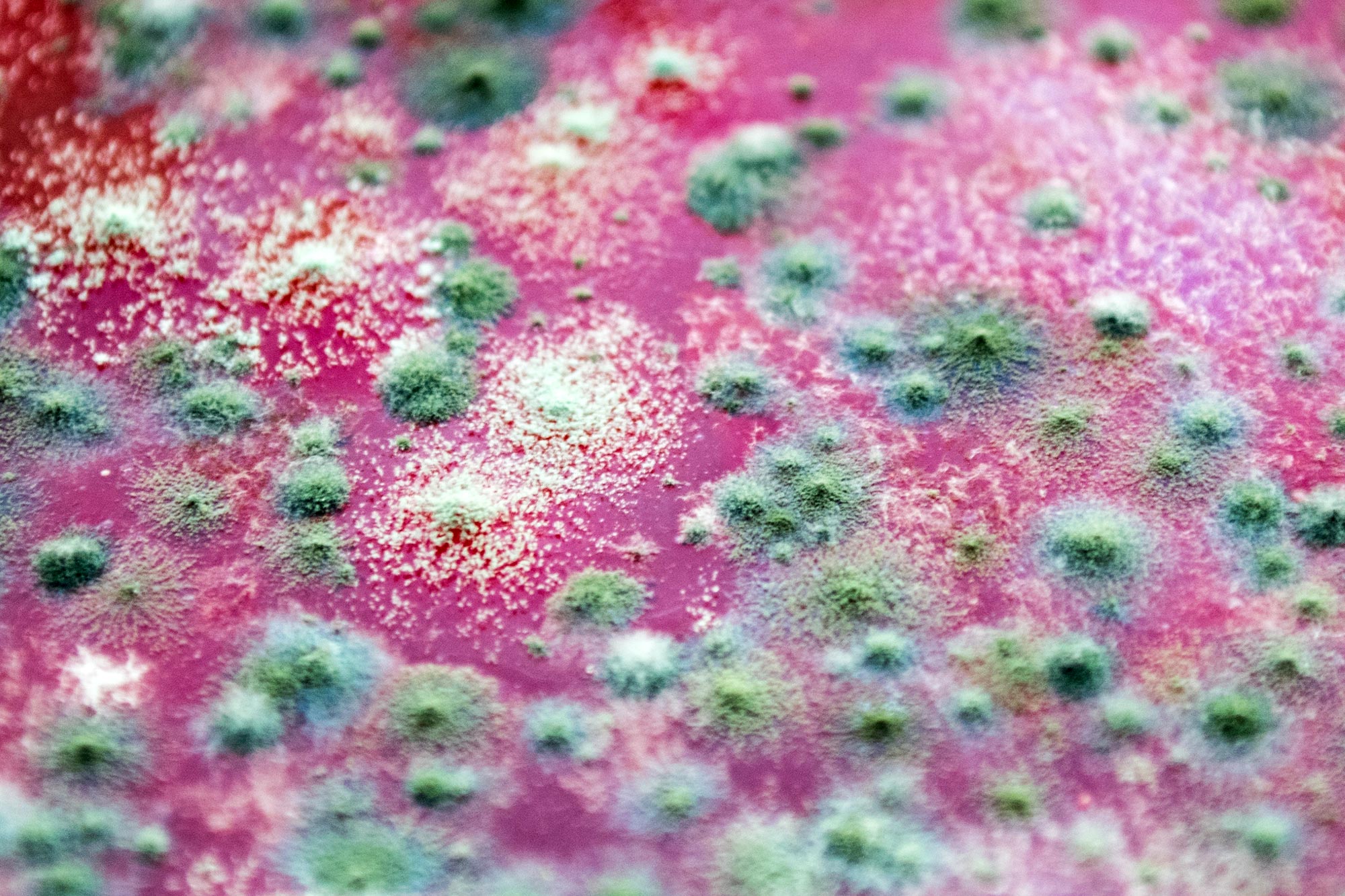
The World Health Organization has identified Aspergillus fumigatus as a critical public health threat due to its potential lethality to immunocompromised individuals.
The soil and compost you bring home from the hardware store might carry hidden dangers, a recent University of Georgia study suggests. Researchers found significant concentrations of multidrug-resistant fungi in commercial soil products and flower bulbs.
“People don’t think of tulips as deadly, but they could be.” Marin Brewer
Aspergillus fumigatus, a common fungus found in soil, can be particularly hazardous to human health when inhaled. This risk is especially severe for individuals with weakened immune systems, who could face a mortality rate close to 100% if infected by a multi-drug resistant strain of the fungus.
“People don’t think of tulips as deadly, but they could be,” said Marin Brewer, lead author of the study and a professor in UGA’s College of Agricultural and Environmental Sciences. “Gardening is a nice, stress-relieving hobby,” Brewer said. “But I’m nervous for people who may not be aware that working with compost and flower bulbs could pose a risk to their health.”
Those people include individuals with chronic obstructive pulmonary disease (also known as COPD), cystic fibrosis, Type 2 diabetes, HIV/AIDS and even COVID-19. Cancer patients and anyone taking immunosuppressant drugs are also vulnerable.
And research shows more people are at risk of developing fungal infections than before.
Aspergillus fumigatus poses a critical public health threat
The World Health Organization recently named Aspergillus fumigatus as one of the most critical fungal threats facing the world. Aspergillus fumigatus infects more than 2 million people annually worldwide.
Aspergillosis, the disease caused by the fungus, is one of the most frequent causes of death in immunocompromised patients. About eight out of every 10 invasive aspergillosis patients die, according to a recent study. Although less common, the fungus can even pose a threat to individuals with healthy immune systems.
The fungus can create clumps in the lungs called aspergillomas. While some healthy individuals may clear the infection on their own with minimal to no symptoms, other aspergilloma patients require antifungal medications or surgery to stop the infection from spreading. The problem is that the treatments for human patients rely on the same mechanisms to fight the fungi as those used in agricultural settings. And they’re becoming less effective.
Multidrug-resistant fungi found in soil, manure-based compost, flower bulbs
The researchers sampled products including compost, soil, flower bulbs, and a variety of food products sold at big box retail stores from 2019 through 2021. The study found more than 500 strains of Aspergillus fumigatus in the products, which included an assortment of different brands. Of the 525 samples, 90% were found in flower bulbs, soil, compost, and peanuts.
Most of the drug-resistant strains of fungi were found in soil, compost made from manure, and flower bulbs, including daffodils, dahlias, gladioli, and tulips.
“We found dozens of strains of resistant fungi in just 1 gram of compost,” Brewer said. “Based on our findings, there could be tens of thousands of potentially resistant strains in one bag of compost.”
How can gardeners keep themselves safe from fungus?
People are infected with Aspergillus fumigatus by inhaling the fungi’s spores.
The researchers highly recommend individuals with compromised immune systems take precautions when gardening and discuss the potential risks with their physicians. Devoted gardeners can also wear N-95 masks to provide some protection.
The agricultural industry is working to address the problem, but in the meantime, Brewer said she personally won’t be planting flower bulbs. And she’ll probably pass on using commercial compost too.
Reference: “Azole resistance mechanisms and population structure of the human pathogen Aspergillus fumigatus on retail plant products” by Caroline Wang, Natalie Miller, Douglas Vines, Paul M. Severns, Michelle Momany and Marin T. Brewer, 23 April 2024, Applied and Environmental Microbiology.
DOI: 10.1128/aem.02056-23
Never miss a breakthrough: Join the SciTechDaily newsletter.
Follow us on Google and Google News.
4 Comments
OK Klaxon, we get the picture – everyone walk around in N95 masks and make the immune system even weaker. TRUST evolution! TRUST nature!
Shan: unless you are severely immune compromised and live on the edge daily as thousands of us do, articles and research like this is a matter of life and death. Leukemia is in my genes, nature is not going to protect me from what natures own fungus….your ignorance does not serve humanity well.
This article doesn’t even have a real bonafide author. Real researchers want credit for their work!
Where’s fauci ? And, what did he know and when did he know it ?