
Close Menu
    Facebook X (Twitter) Instagram
    SciTechDaily
    • Biology
    • Chemistry
    • Earth
    • Health
    • Physics
    • Science
    • Space
    • Technology
    Facebook X (Twitter) Pinterest YouTube RSS
    SciTechDaily
    Home»Biology»Darwin’s Forgotten Legacy: Chronobiology and the Hidden Rhythms of Nature
    Biology

    Darwin’s Forgotten Legacy: Chronobiology and the Hidden Rhythms of Nature

    By PNAS NexusOctober 9, 2024No Comments2 Mins Read
    Facebook Twitter Pinterest Telegram LinkedIn WhatsApp Email Reddit
    Share
    Facebook Twitter LinkedIn Pinterest Telegram Email Reddit
    Darwin and Biological Rhythms
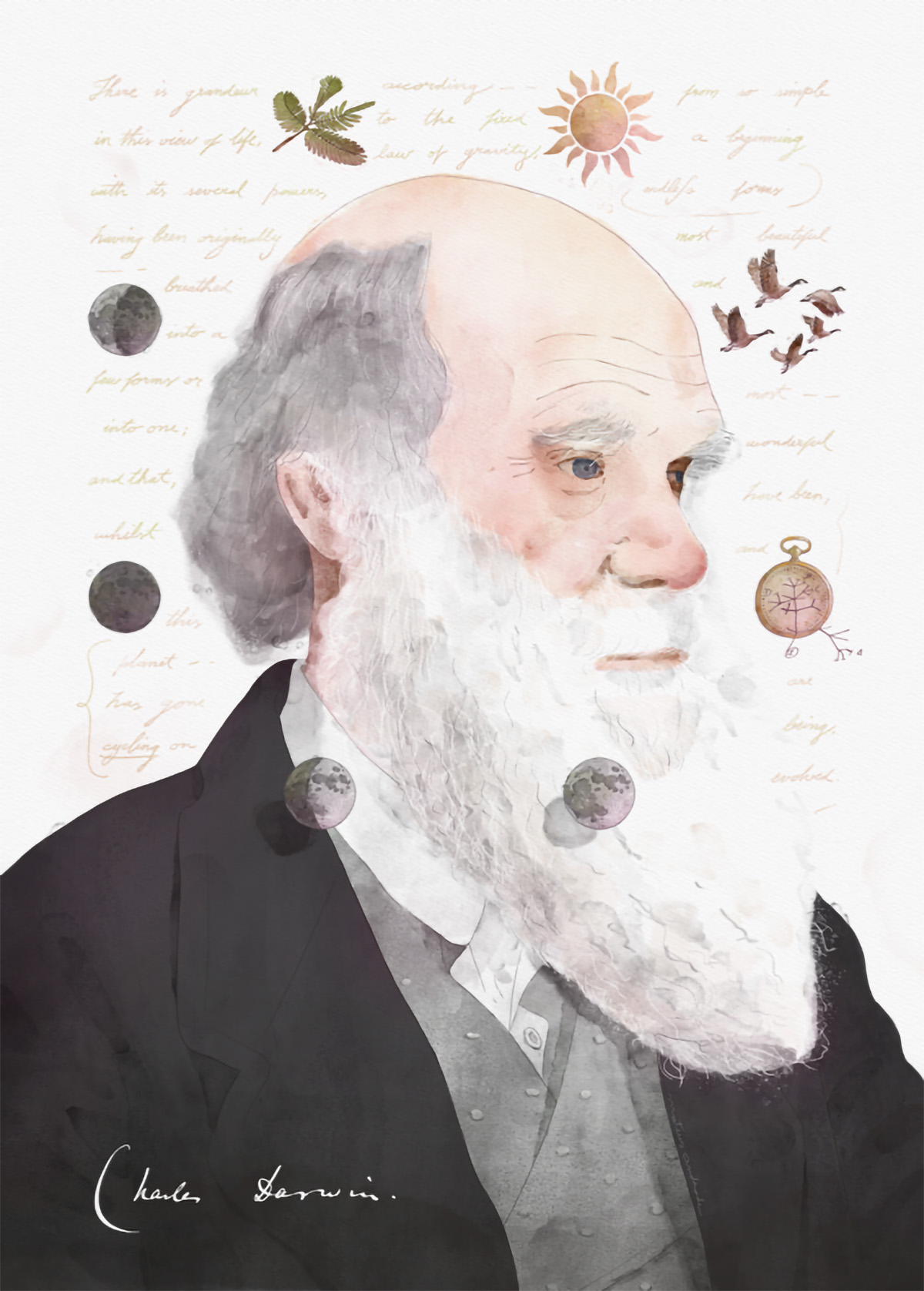
    Watercolor illustration of Charles Darwin. Darwin studied biological rhythms in various organisms and across different time scales, from meticulous descriptions to speculative and experimental investigations. Credit: Mateus Andrade

    Darwin studied biological rhythms in plants and animals, recognizing their adaptive value. His work, explored today as part of chronobiology, examined daily and seasonal cycles, contributing to our understanding of nature’s temporal patterns.

    A thorough examination of Darwin’s writings reveals a profound interest in cyclical events in nature. Rhythmic phenomena, now studied in the field of chronobiology, have been a focus of scientific inquiry since at least the 18th century.

    In a perspective, Tiago Gomes de Andrade and Andrew D. Beale examined the writings and work of Charles Darwin to explore and share the eminent naturalist’s deep fascination with biological rhythms.

    Darwin’s work on the “sleep movements” in plants, published in 1880 with his son Francis is well known. This work examined the daily cycle of opening and closing of leaves. But as far back as 1838, Darwin was taking notes on whether plants that close their leaves in response to touch might also show daily rhythms.

    Observations of Biological Rhythms Throughout His Career

    Throughout his career, he took note of seasonal and daily biological rhythms, including diurnal and nocturnal habits in animals, seasonal migrations, cyclical changes associated with reproduction, hibernation patterns, and tidal rhythms, among other temporal patterns.

    Darwin recognized the heritability and adaptive nature of many of these rhythms, from the timing of mating seasons to correspond with peak vigor to the evening timing of plant perfume release to communicate with nocturnal pollinators.

    According to the authors, Darwin’s observations and experiments show a profound engagement in what is now termed chronobiology.

    Reference: “Darwin and the biological rhythms” by Tiago G de Andrade and Andrew D Beale, 27 August 2024, PNAS Nexus.
    DOI: 10.1093/pnasnexus/pgae318

    Never miss a breakthrough: Join the SciTechDaily newsletter.
    Follow us on Google and Google News.

    Charles Darwin Chronobiology
    Share. Facebook Twitter Pinterest LinkedIn Email Reddit

    Related Articles

    Decoding Evolution: Landmark Study Sheds Light on Darwin’s Iconic Finches

    Darwin’s Paradox of Coral Reefs Solved – Scientists Unravel Age-Old Mystery

    What Would Darwin Discover Today?

    Why Do Plants Grow Towards Light?

    Darwin’s “Mystery of Mysteries” and the Microbiome

    Darwin’s Descent of Man Foreshadowed Modern Scientific Theories

    160 Years Later, Study Shows Charles Darwin Was Right About Why Insects Are Losing the Ability to Fly

    Cambridge Researcher Finally Proves One of Darwin’s Evolution Theories

    Human Evolution Still Tied to Darwinian Selection

    Leave A Reply Cancel Reply

    • Facebook
    • Twitter
    • Pinterest
    • YouTube

    Don't Miss a Discovery

    Subscribe for the Latest in Science & Tech!

    Trending News

    Popular Sugar-Free Sweetener Linked to Liver Disease, Study Warns

    What Is Hantavirus? The Deadly Disease Raising Alarm Worldwide

    Scientists Just Discovered How the Universe Builds Monster Black Holes

    Scientists Unveil New Treatment Strategy That Could Outsmart Cancer

    A Simple Vitamin May Hold the Key to Treating Rare Genetic Diseases

    Scientists Think the Real Fountain of Youth May Be Hiding in Your Gut

    Ravens Don’t Follow Wolves, They Predict Them

    This Common Knee Surgery May Be Doing More Harm Than Good

    Follow SciTechDaily
    • Facebook
    • Twitter
    • YouTube
    • Pinterest
    • Newsletter
    • RSS
    SciTech News
    • Biology News
    • Chemistry News
    • Earth News
    • Health News
    • Physics News
    • Science News
    • Space News
    • Technology News
    Recent Posts
    • Why Are So Many New Fathers Dying? Scientists Say the U.S. Has a Dangerous Blind Spot
    • Scientists Identify Simple Supplement That Greatly Reduces Alzheimer’s Damage
    • You May Have a Dangerous Type of Cholesterol Even if Your Tests Look Normal
    • Study Reveals Dangerous Flaw in AI Symptom Checkers
    • New MRI Breakthrough Captures Stunningly Clear Images of the Eye and Brain
    Copyright © 1998 - 2026 SciTechDaily. All Rights Reserved.
    • Science News
    • About
    • Contact
    • Editorial Board
    • Privacy Policy
    • Terms of Use

    Type above and press Enter to search. Press Esc to cancel.